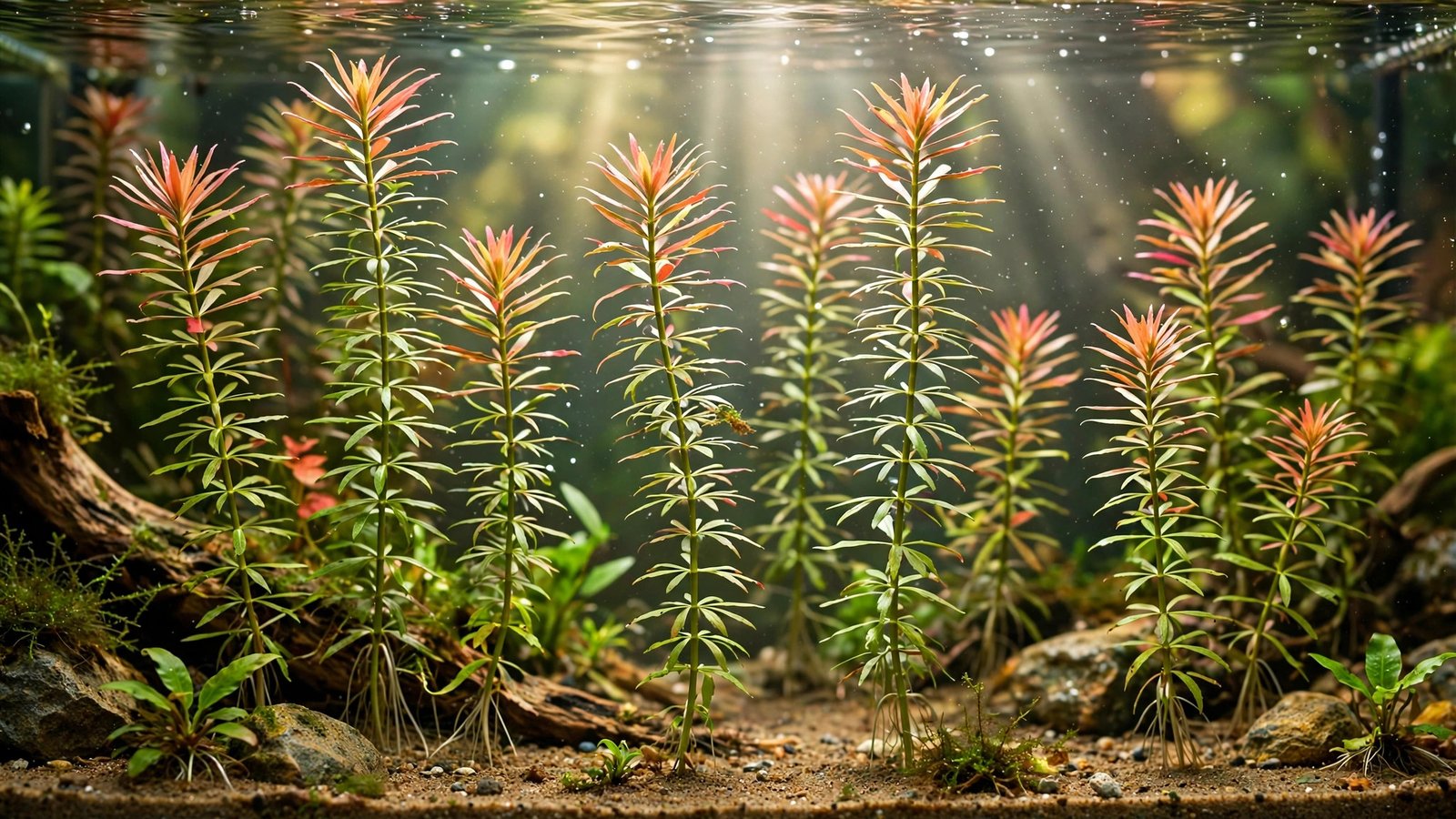
Most hobbyists who buy Limnophila hippuridoides do it for one reason: those leaves. Serrated like tiny paddles and arranged in starry whorls, they blush orange-red under strong light and turn a plain corner into the most photographed part of the tank. This guide to limnophila hippuridoides care is the honest version — this is not a beginner plant, and the people who treat it like one end up with leggy, melting stems. By the end, you'll know exactly what it demands and whether your setup can give it.
Not Your Typical Limnophila
The Limnophila genus has a split personality, and knowing which one you're buying matters more than anything else on this page. On one end sits the Limnophila aromatica care guide — the fragrant crimson rice-paddy herb. On the other is the famously forgiving ambulia, Limnophila sessiliflora, the feathery beginner plant that survives in nearly anything.
Hippuridoides punishes the most common assumption: that all Limnophila grow the same way. Its leaves are broader, thicker, and coarsely serrated — more like little hands than fine needles — and it will not hold its compact, colorful form in low light the way sessiliflora does. Be honest about your equipment: sessiliflora for a low-tech tank, hippuridoides for a high-energy one.
Limnophila Hippuridoides Care: What the Plant Actually Needs
Below is the minimum that keeps this plant genuinely happy. Skimp on any one item and the tops look great while the bottoms melt.
Light: the single biggest variable
At 50+ PAR this plant stays compact, with tight leaf whorls stacked like a pine cone. Below 30 PAR it stretches, the whorls gap, and the reds never appear. A quality full-spectrum LED fixture rated for medium-high light tanks is the foundation purchase for this species. Run it 7–8 hours a day; longer photoperiods buy you algae, not color.
CO2: plan on injecting it
You can grow hippuridoides without injected CO2, but "grow" means leggy stems that shade themselves and shed leaves from the bottom up. Pressurized CO2 at a steady 25–30 ppm keeps the lower foliage alive and the growth dense. Use a pressurized CO2 system with a timer-synced solenoid — DIY yeast setups can't hold the stability this plant wants. Trust your drop checker, not your instincts.
Substrate and nutrients
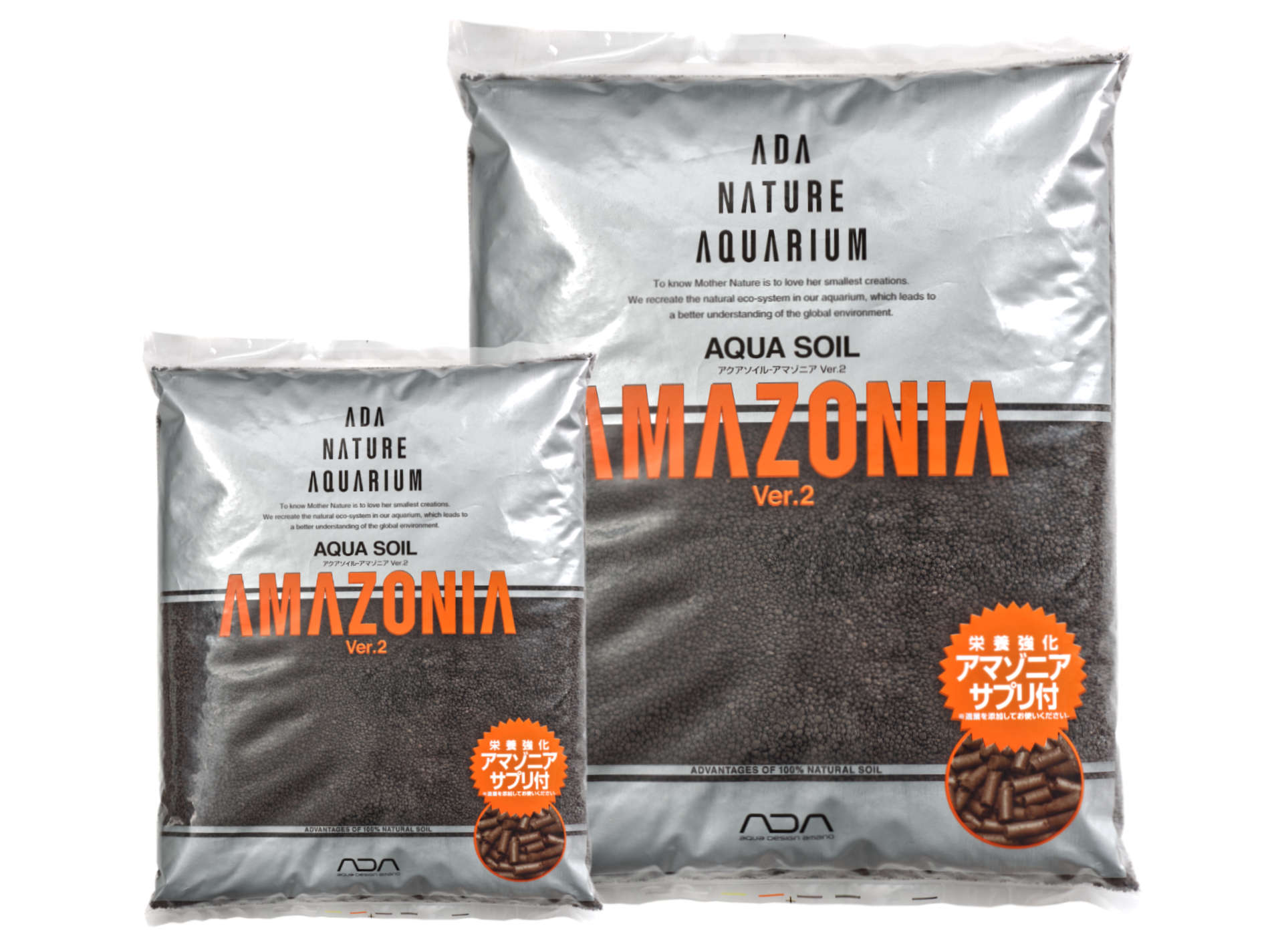
This plant feeds heavily through its roots, so a nutrient-rich aqua soil pays for itself quickly. In inert sand or gravel it limps along no matter what you dose into the water column. Pair the substrate with a complete liquid fertilizer on a schedule — our deep dive on whether aquarium plants really need fertilizer explains why high-demand stems like this one are the strongest case for a full dosing routine.
Iron deserves special mention: the orange-red coloration is strongest when iron is consistently available and nitrate is slightly limited, around 5–10 ppm rather than 20+. A dedicated iron supplement dosed weekly alongside your complete fertilizer is the classic combo for the plant's signature tones.
Planting and Placement
Rinse the roots gently and plant individual stems about an inch apart — never as one clump, which rots from the center out. Push each stem deep enough that the lowest leaf whorl sits just above the substrate. It roots within a week in good conditions.
Place it in the midground to background, where the light is strongest. It makes an outstanding midground focal clump in a 20-gallon, or a layered background bush in larger tanks. Give it elbow room — overcrowding shades lower stems and starts melt early.
| Parameter | Ideal range | Why it matters |
|---|---|---|
| Light | 50+ PAR | Compact form, red color |
| CO2 | 25–30 ppm | Dense lower growth, fast recovery |
| Nitrate | 5–10 ppm | Intensifies reds |
| Iron | Dosed weekly | Drives red pigmentation |
| Temperature | 68–82°F (20–28°C) | Stalls below ~65°F |
| Water hardness | Soft to moderately hard | Prefers soft, acidic water |
 ★4.7
ADA Aqua Soil Amazonia Ver 2
Check Price on Amazon ★4.7Trimming and Propagation
With sharp aquascaping scissors, cut stems 3–5 inches above the substrate and replant the healthy tops. Discard old bottoms once they stop producing side shoots.
Trim before the stems break the surface; emersed tops grow different-shaped leaves, and the transition back costs you a week of ugly melt. Replant cuttings the same day — floating stems deteriorate fast. Each replanted top roots in days, so one healthy mother plant becomes a full background bush within two months.
Troubleshooting: Reading the Leaves
This plant communicates clearly once you know the signs. Most problems trace back to light or CO2 shortfalls.
| Symptom | Likely cause | Fix |
|---|---|---|
| Leggy stems, wide gaps between leaf whorls | Too little light | Increase intensity or raise light period quality, not just duration |
| Bottom leaves melting while tops look fine | Insufficient CO2 or self-shading | Raise CO2 to 25–30 ppm; thin out the clump |
| Staying green, never reddening | Low light, high nitrate, or missing iron | 50+ PAR, nitrate to 5–10 ppm, weekly iron |
| Stunted, twisted new growth | Calcium or general micronutrient deficiency | Review full fertilizer routine; check GH |
| Algae coating the leaf edges | Light/CO2/nutrient imbalance | Fix CO2 stability first, then rebalance light |
Where It Fits in Your Aquascape
Hippuridoides earns its keep as a midground accent with genuine presence — few plants give you serrated texture and warm color in one stem. Pair it with fine-leafed neighbors for contrast: the feathery Pogostemon stellatus 'Octopus' and the sunset tones of sunset hygrophila both sit beautifully beside it, as does the fine copper foliage of Tonina fluviatilis. Red-scape fans can contrast it with the deeper crimson of Ludwigia 'Rubin' for a layered warm palette.
Planning the tank around this plant? Our complete guide to freshwater aquarium plants helps you balance light, CO2, and plant selection as one system. For an authoritative species reference, Tropica's Limnophila hippuridoides plant database entry confirms its medium-difficulty rating, and 2hr Aquarist's stem plant growing guide is an excellent second opinion on trimming and nutrient routines.
Frequently Asked Questions
Is Limnophila hippuridoides good for beginners?
Honestly, no — it's a medium-difficult plant. Beginners do better with its cousin Limnophila sessiliflora, which tolerates low light and no CO2. Hippuridoides needs medium-high light, injected CO2, and consistent fertilization to stay compact and colorful. Start with an easier stem plant, then graduate to this one once your CO2 and dosing routine is dialed in.
Why is my Limnophila hippuridoides melting from the bottom up?
Bottom-up melting is the classic sign of CO2 shortage or self-shading: the tops hog the light and the lower leaves starve. Raise CO2 to a stable 25–30 ppm, thin the clump for light penetration, and replant the healthy tops. Old bottoms rarely recover — treat replanting as part of the plant's normal lifecycle.
How do I get the red color on Limnophila hippuridoides?
Three things together: strong light (50+ PAR), consistent iron dosing, and slightly limited nitrate (5–10 ppm instead of 20+). Skip any one and the plant stays green. And don't chase red by blasting the light alone — without matching CO2 and iron, you'll grow algae instead of color.
Can it grow without CO2 injection?
It survives without CO2 but doesn't thrive — expect leggy stems, sparse lower growth, and no red coloration. In a low-tech tank it behaves like a poor imitation of its easy cousin sessiliflora, so there's little reason to choose it there. Save this species for a CO2-injected setup where it can show its real form.
How fast does Limnophila hippuridoides grow?
Under injected CO2 and strong light, about an inch per week — fast enough that you'll trim monthly. In low-energy setups growth slows and the plant stretches for light instead of bushing out. Monthly cuts keep it from shading its neighbors and melting at the base.
Final Word
Limnophila hippuridoides rewards the aquarist who gives it what it asks for: strong light, steady CO2, rich substrate, and a regular trimming hand. Meet those terms and it pays you back with some of the most distinctive foliage in the hobby. Set up the system right, and this paddle-leafed standout will anchor your midground for years.