 Aquascaping
What 2026's Winning Aquascapes Teach: Design Lessons
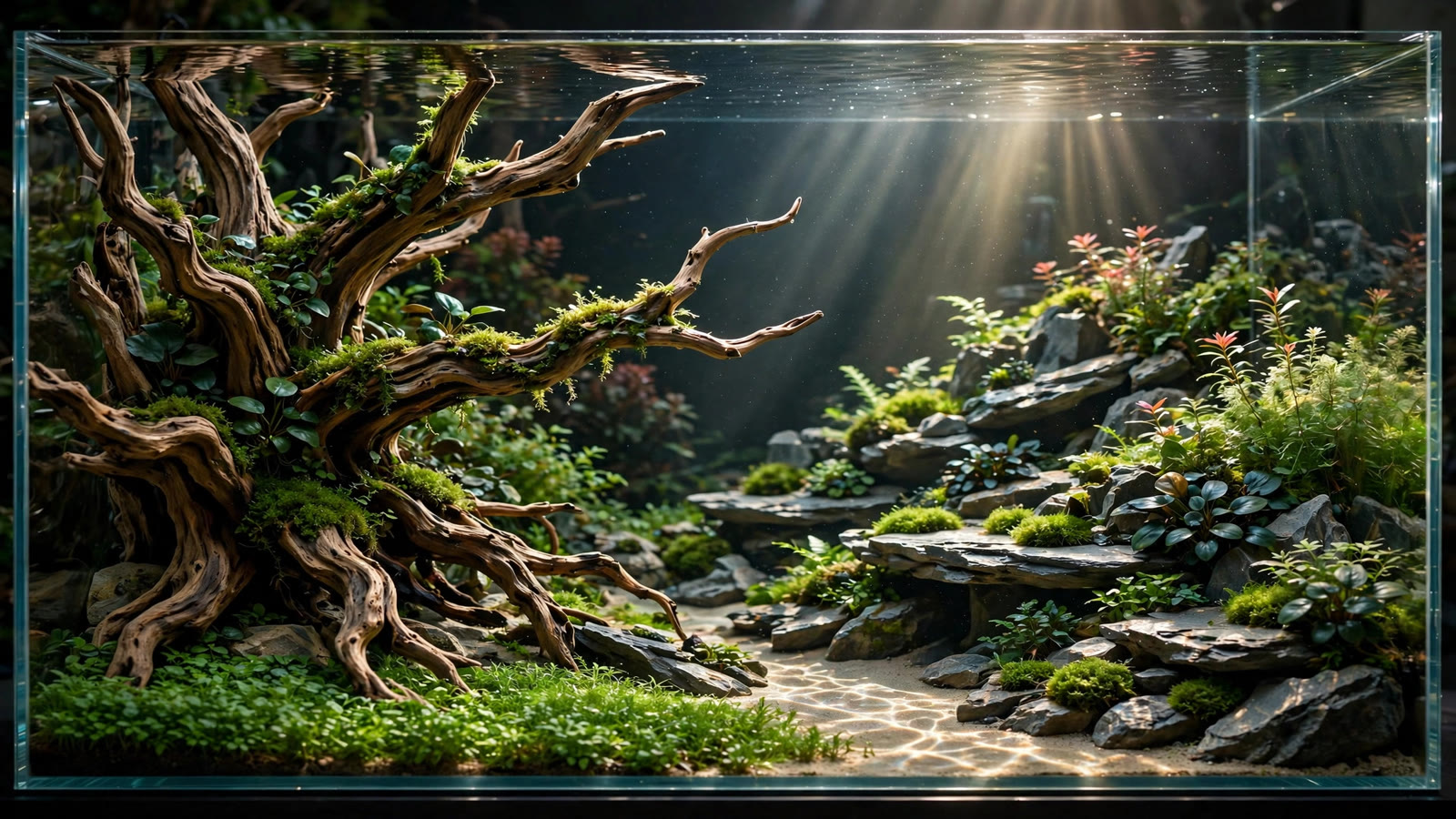
What do 2026's contest champions share? Six design lessons from the year's winners: hardscape grammar, restraint, plant conditioning, color discipline, depth.
Aquascaping is the craft of composing a planted aquarium the way a gardener composes a landscape — with intention about focal points, depth, texture, and negative space. The difference between a tank that looks “nice” and one that stops people mid-scroll is rarely money; it is composition. The guides in this section teach the layout principles professionals use: the rule of thirds and the golden ratio for focal placement, odd-numbered hardscape groupings, the foreground–midground–background layering that creates depth, and the use of a single dominant stone or driftwood piece to anchor the whole scene.
Start by choosing a style, because style dictates plant choice. Iwagumi layouts pair minimalist stone arrangements with a single carpeting species like dwarf hairgrass or Monte Carlo. Nature-style tanks layer driftwood, varied stone, and a dozen or more plant species for a wild, aged look. Dutch-style aquascapes are the opposite discipline: dense, terraced rows of colorful stem plants pruned into streets and hedges. Jungle style is the forgiving entry point — lush, layered, and tolerant of imperfection.
Hardscape comes before plants, always. Position your wood and rock dry, photograph the layout, live with it for a day, then adjust before a single plant goes in. The articles below walk through full start-to-finish builds, common composition mistakes (the centered “volcano” mound, symmetrical stone pairs, plants in straight rows), and how to rescape without tearing a mature tank apart.
Aquascaping What do 2026's contest champions share? Six design lessons from the year's winners: hardscape grammar, restraint, plant conditioning, color discipline, depth.
 Aquascaping
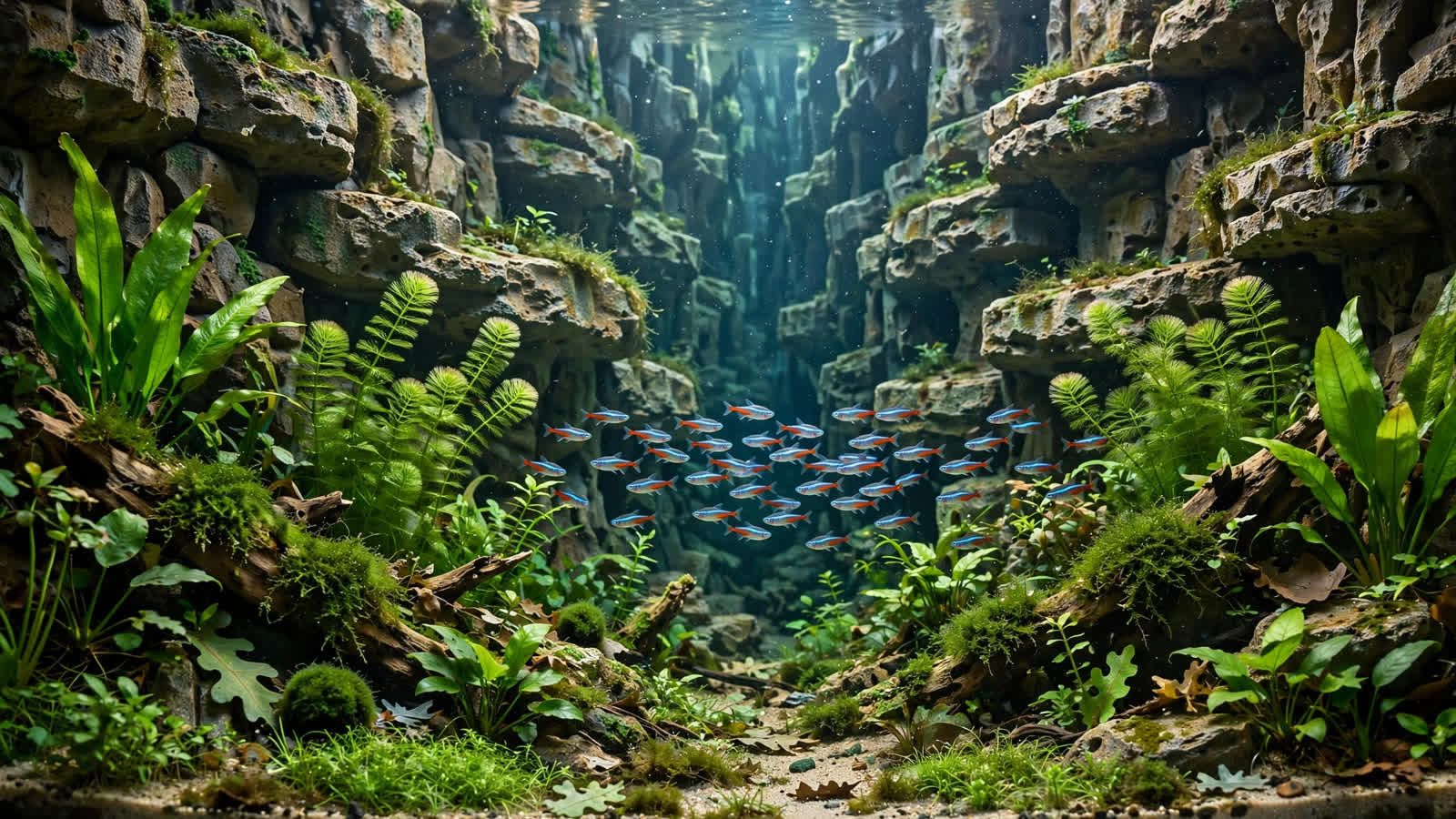
Ready-made foam panels vs DIY cement backgrounds: costs, fish-safety rules, and how to plant a textured 3D background in a planted tank.
 Aquascaping
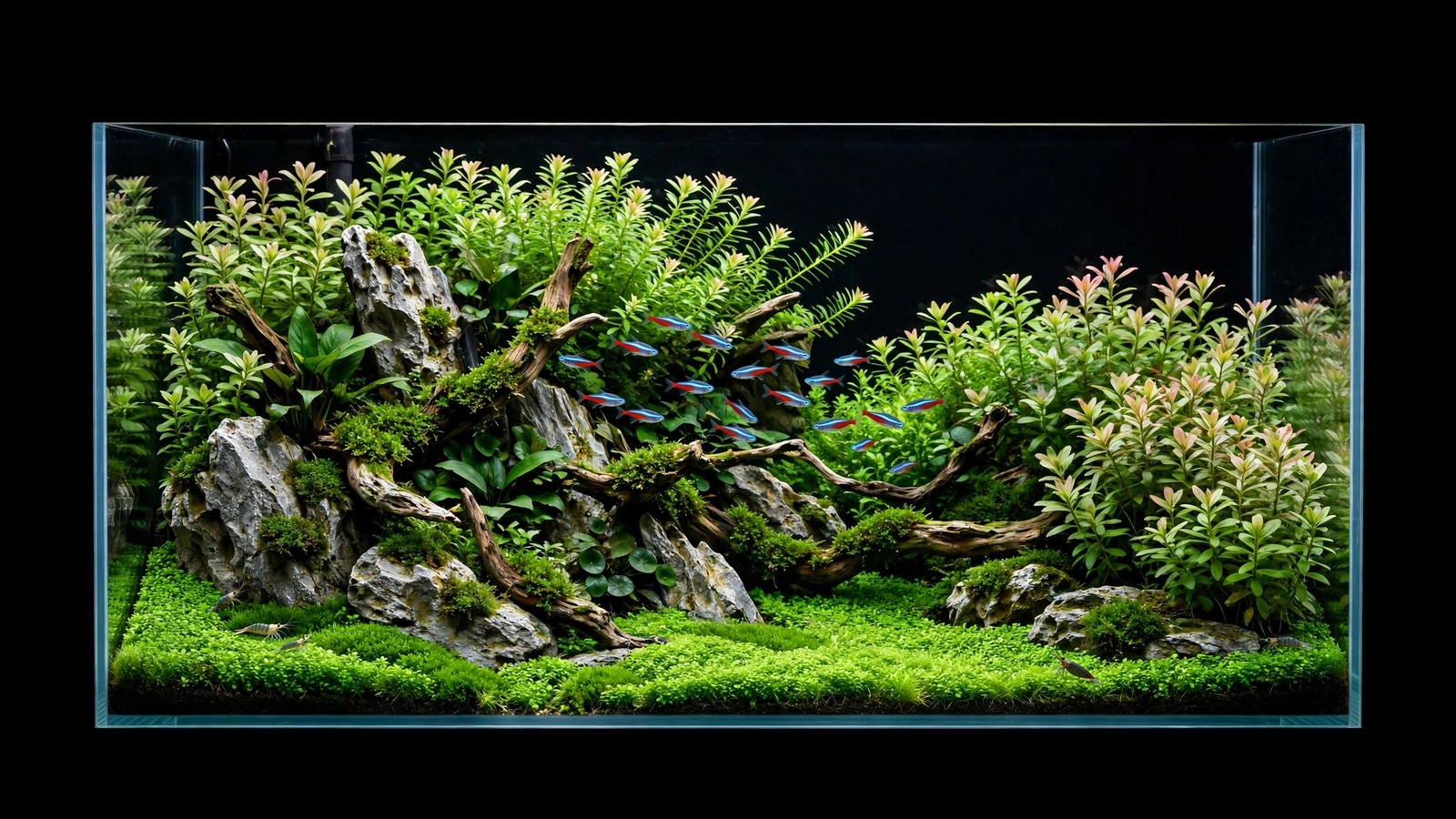
A complete prep guide for aquascaping contest submissions: judging criteria, a week-by-week timeline, photo-day techniques, and disqualifications to avoid.
 Aquascaping
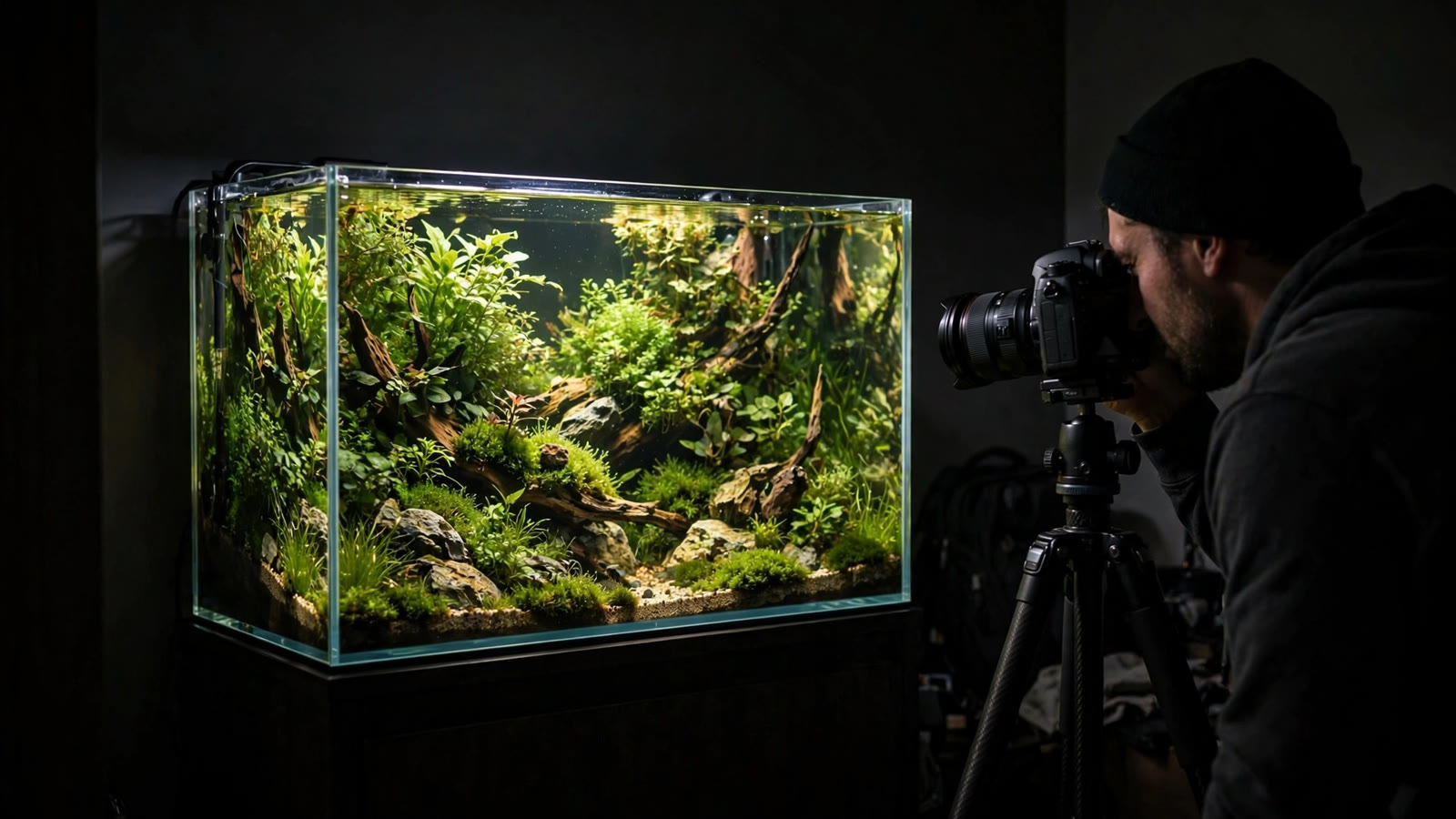
A practical tank-photography guide for aquascaping contest season: cleaning prep, light control, camera settings, framing standards, and the mistakes to avoid.
 Aquascaping
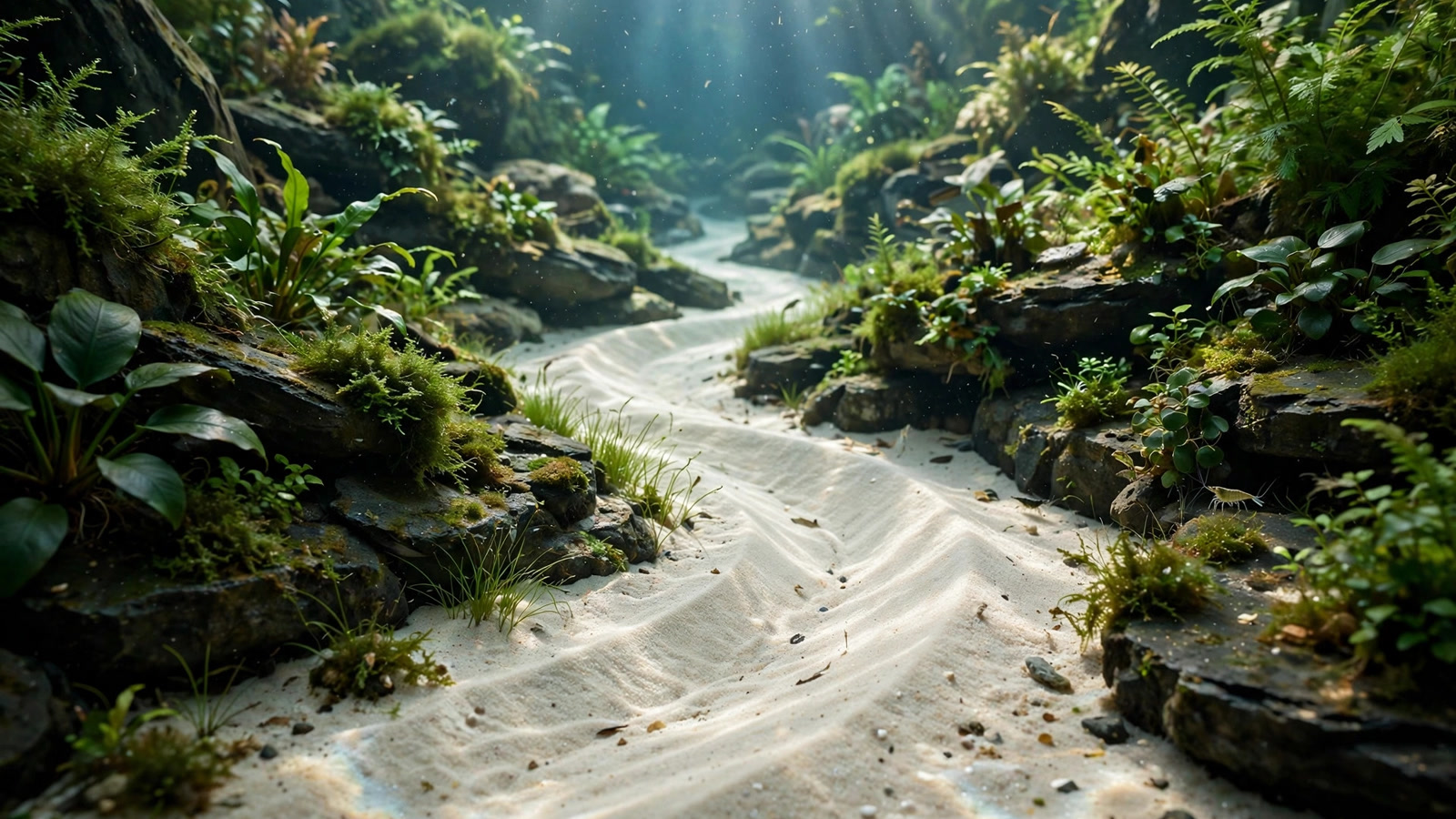
Build a crisp, lasting sand path in your aquascape: barrier systems that stop soil mixing, layout planning, bank planting, and weekly sand-cleaning routines.
 Aquascaping
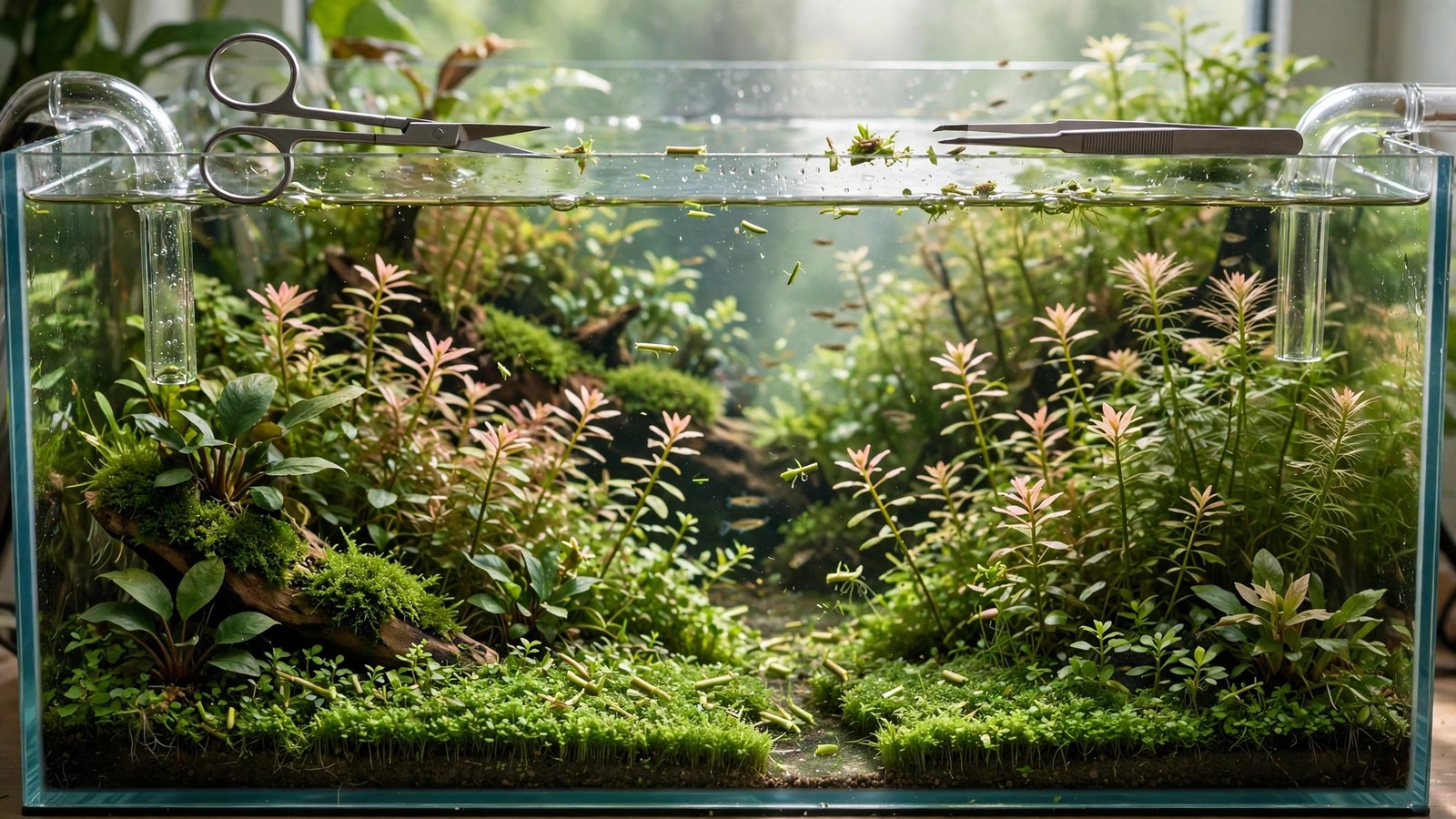
Keep layouts sharp for years: stem topping technique, carpet mowing, epiphyte and moss care, a full maintenance schedule, and good pruning judgment.
 Aquascaping
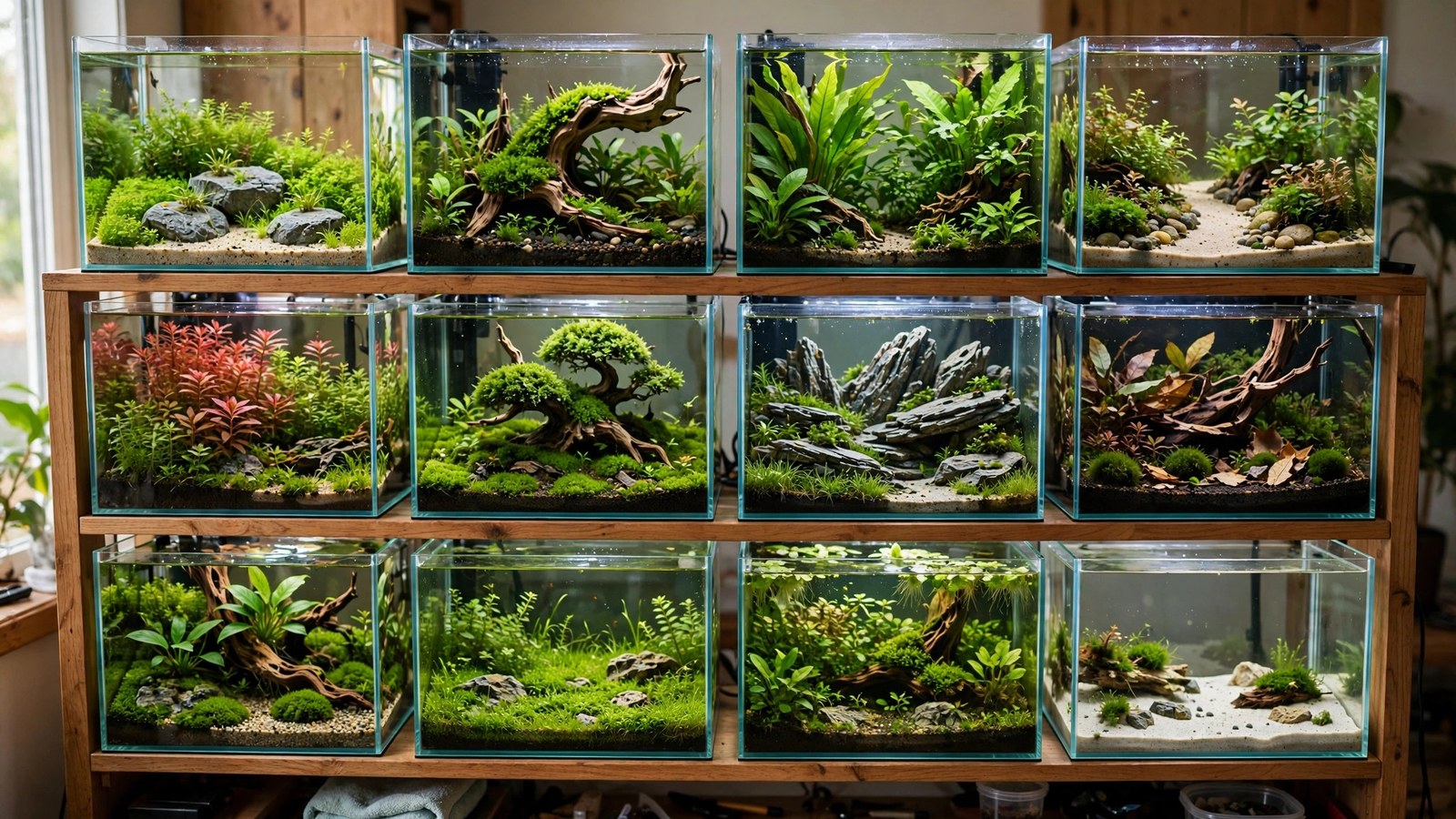
Twelve 10-gallon layouts that respect the scale: nano Iwagumi, moss trees, shrimp metropolises, Dutch streets, equipment, stocking, and startup.
 Aquascaping
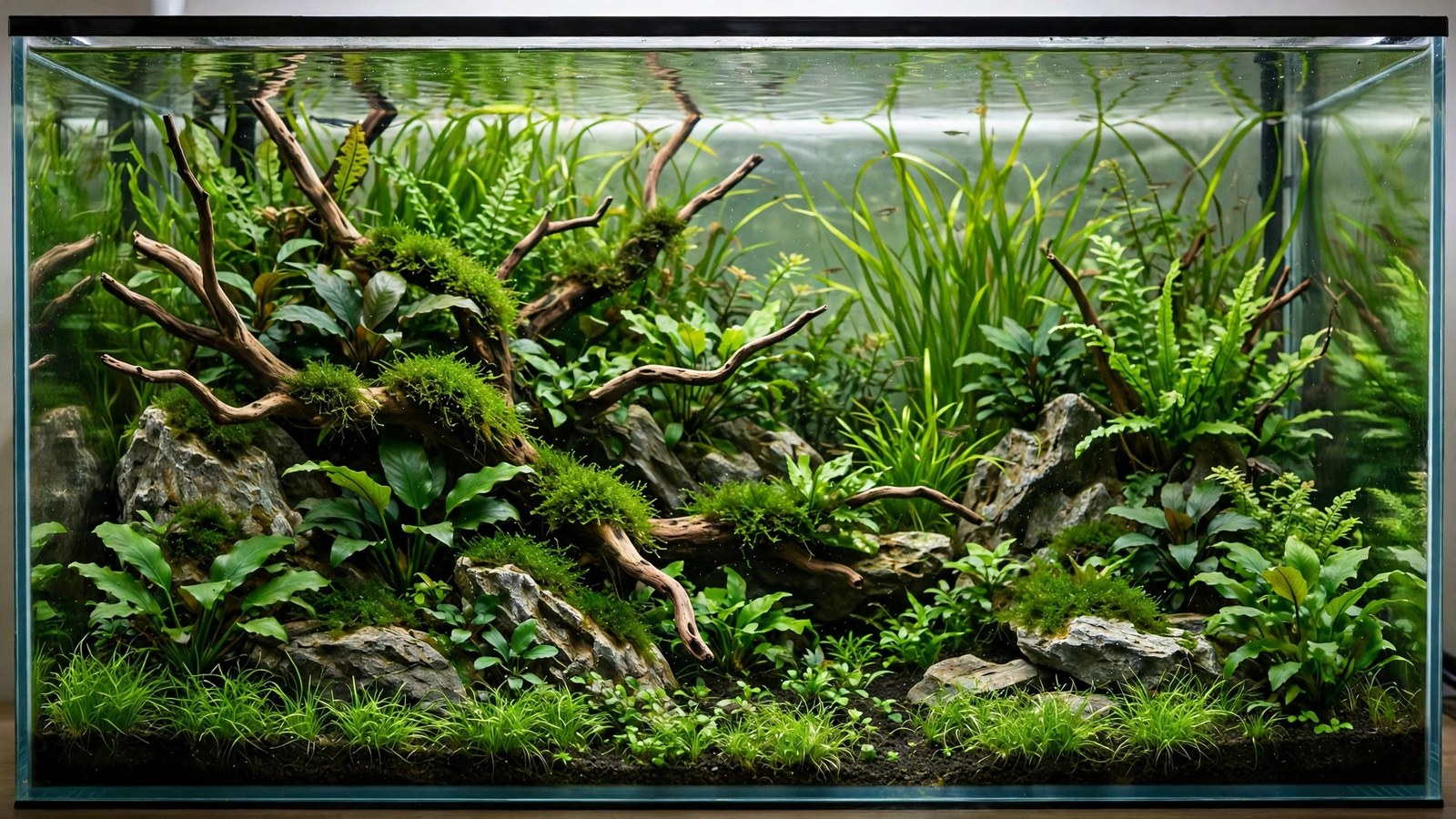
Eight layouts built for the panoramic 20-long: valleys, diagonal rivers, Dutch streets, Iwagumi panoramas, plus equipment, stocking, and a full setup-day plan.
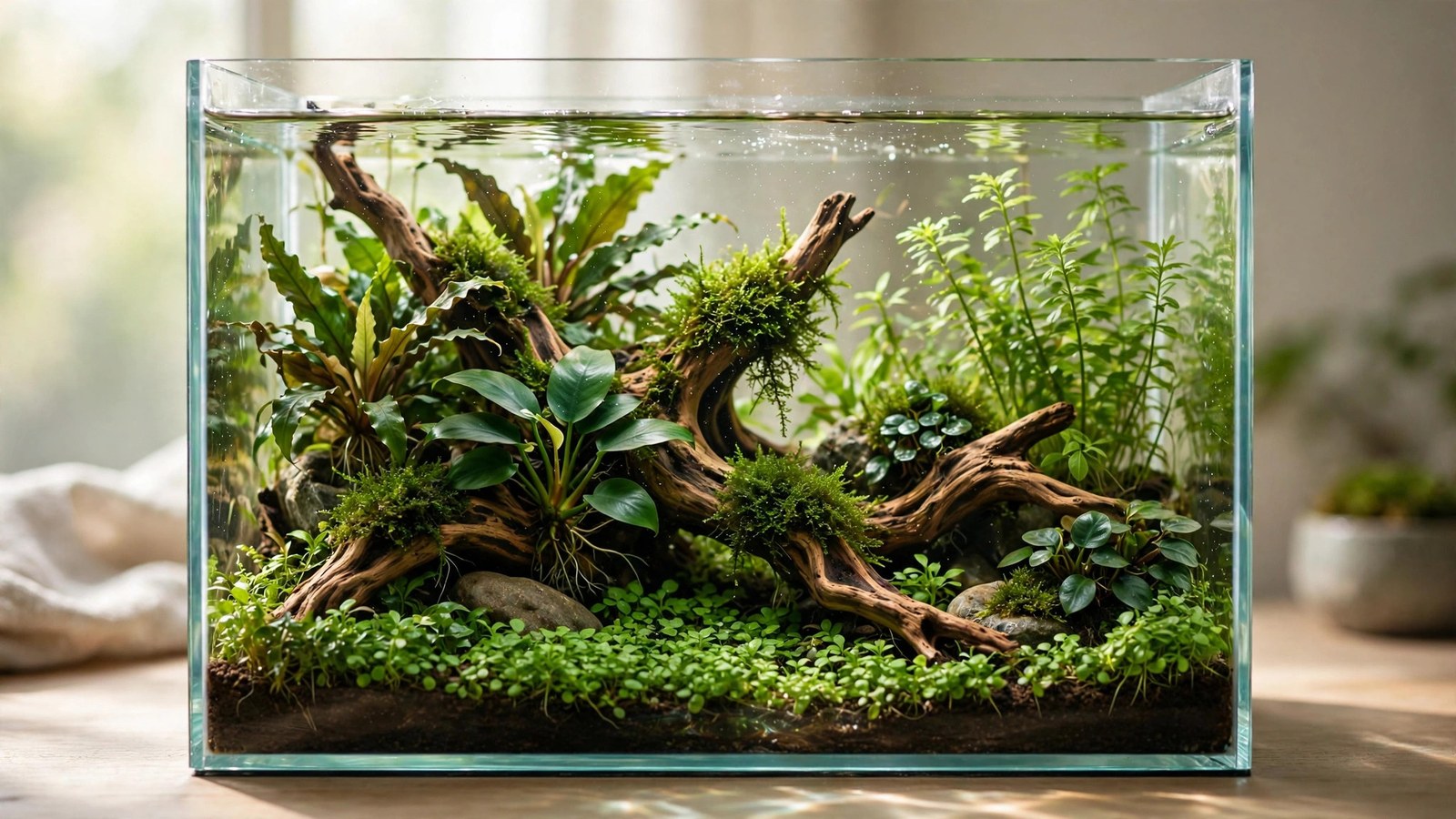 Aquascaping
Eight 5-gallon layouts for the nano discipline: pebble gardens, twig trees, betta studios, shrimp cubes, plus equipment, stocking, and the nano routine.
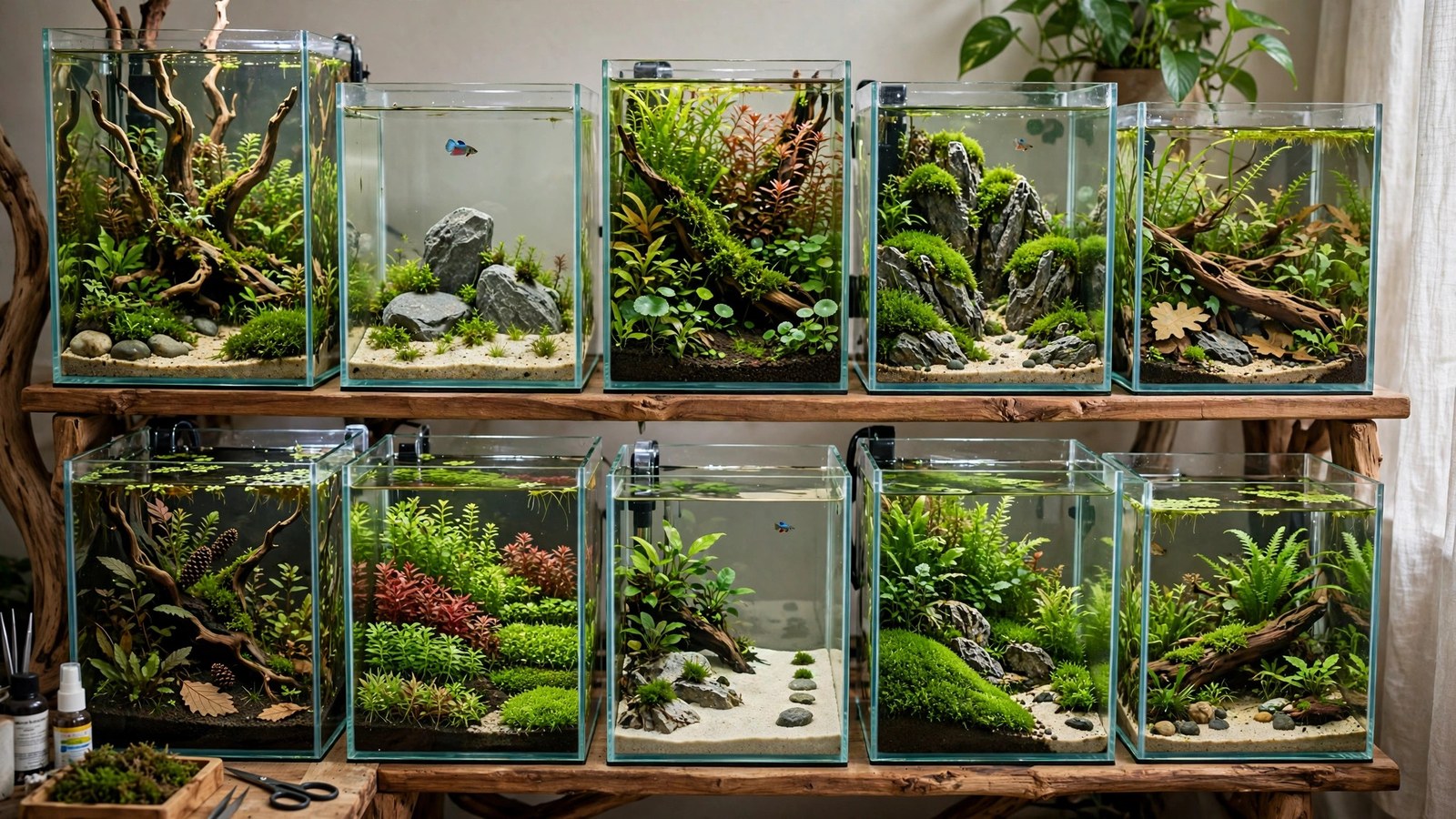 Aquascaping
Ten betta tank layouts that respect the fish: jungle corners, biotope blackwater, floating gardens, Iwagumi nano, plus rules for flow, rest, and safety.