 Plant Care
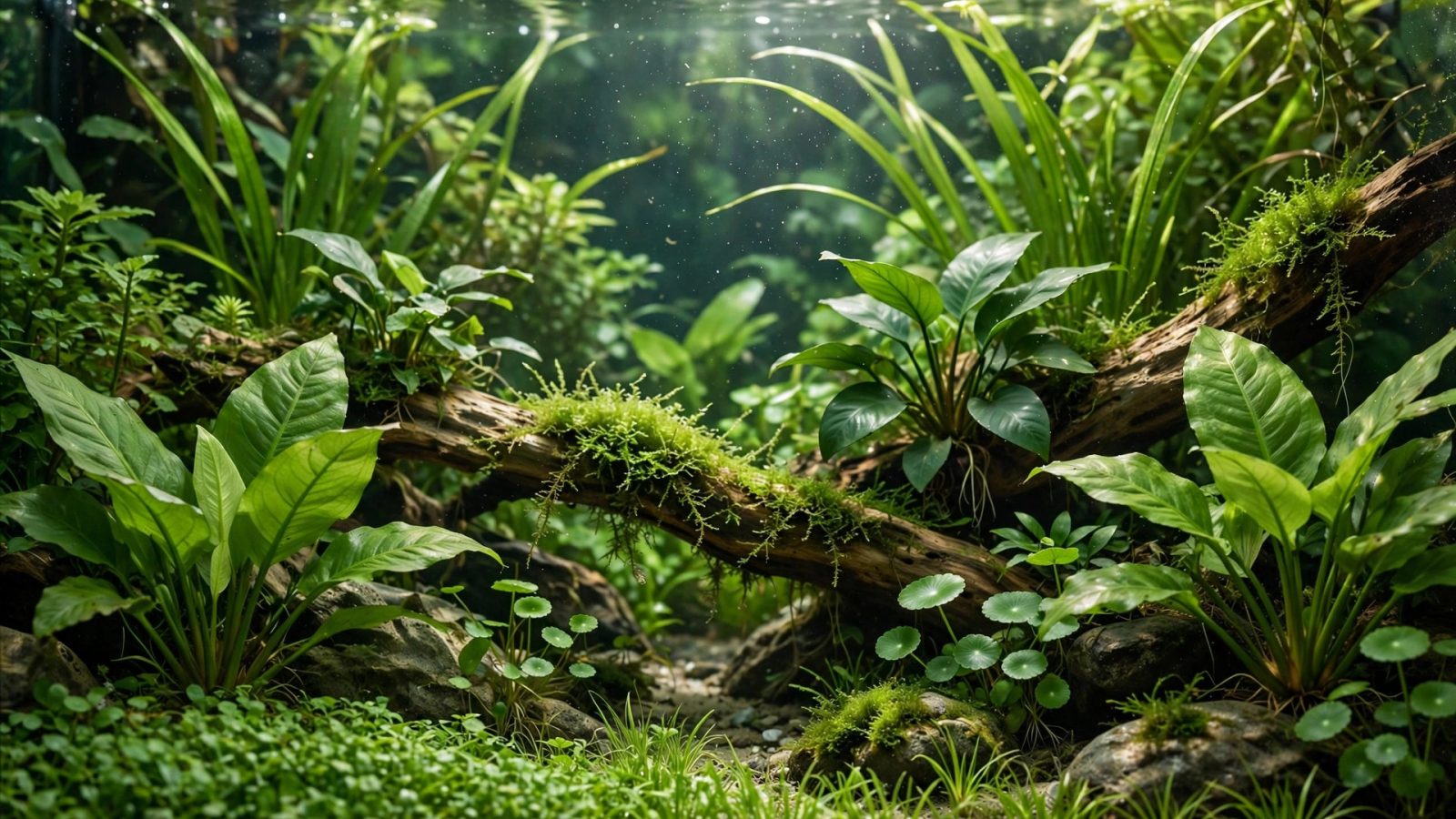
How to Acclimate New Aquarium Plants (Avoid Melting)
How to acclimate new aquarium plants and avoid melting: emersed-to-submersed transition, gentle first-week protocol, and normal melt vs real problems.
Healthy aquarium plants are not an accident — they are the output of a repeatable routine. Plant care comes down to four inputs you control: light (intensity and photoperiod), carbon (CO2 injection or liquid carbon), macronutrients (nitrogen, phosphorus, potassium), and micronutrients (iron, magnesium, and trace elements). When growth stalls, leaves yellow, or algae moves in, one of those four is out of balance — and the guides here teach you to read the symptoms like a dashboard: pinholes in older leaves point to potassium deficiency, pale new growth to iron, melting after planting to emersed-to-submersed transition shock.
Trimming is the highest-frequency skill. Stem plants should be topped and replanted regularly to stay bushy rather than leggy; carpeting plants need mowing to spread horizontally instead of lifting; slow growers like anubias only need old or algae-dusted leaves removed. Propagation multiplies your investment for free — most stem plants, floaters, and rhizome plants split or replant effortlessly once you know each species' method.
Fertilization confuses beginners because the advice conflicts. The truth is simpler: pick one coherent system — an all-in-one liquid dosed weekly for low-tech tanks, or Estimative Index (EI) or PPS-Pro dosing for high-tech CO2 tanks — and run it consistently for a month before judging. Pair it with weekly 30–50% water changes, filter maintenance that never kills your beneficial bacteria, and a photoperiod of 6–8 hours while the tank matures. The routines below turn all of this into checklists you can actually follow.
Plant Care How to acclimate new aquarium plants and avoid melting: emersed-to-submersed transition, gentle first-week protocol, and normal melt vs real problems.
 Plant Care
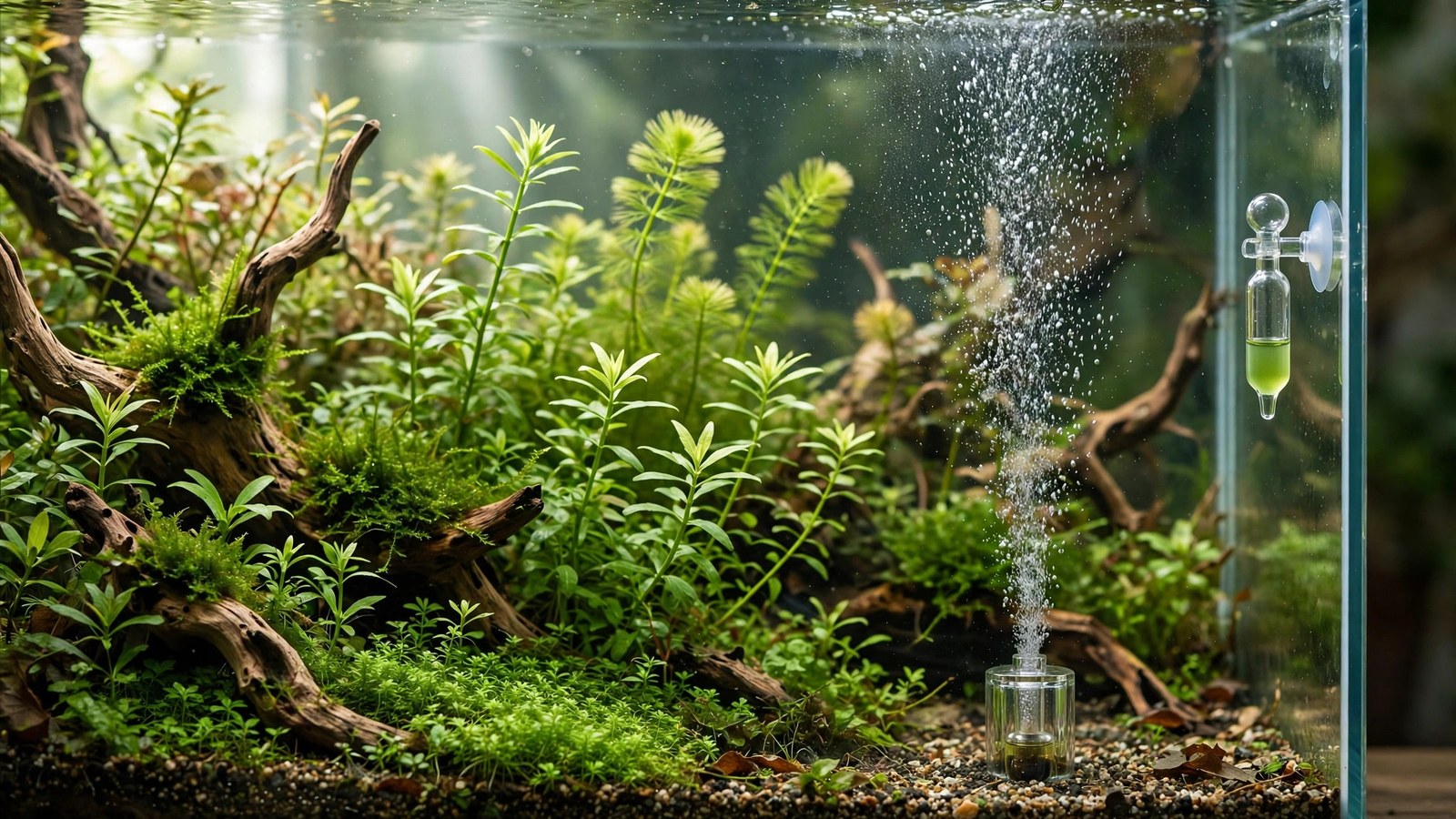
Plants rebuild their photosynthetic machinery around carbon levels. The 2-week upward ramp, the careful downward ramp, and key stability rules.
 Plant Care
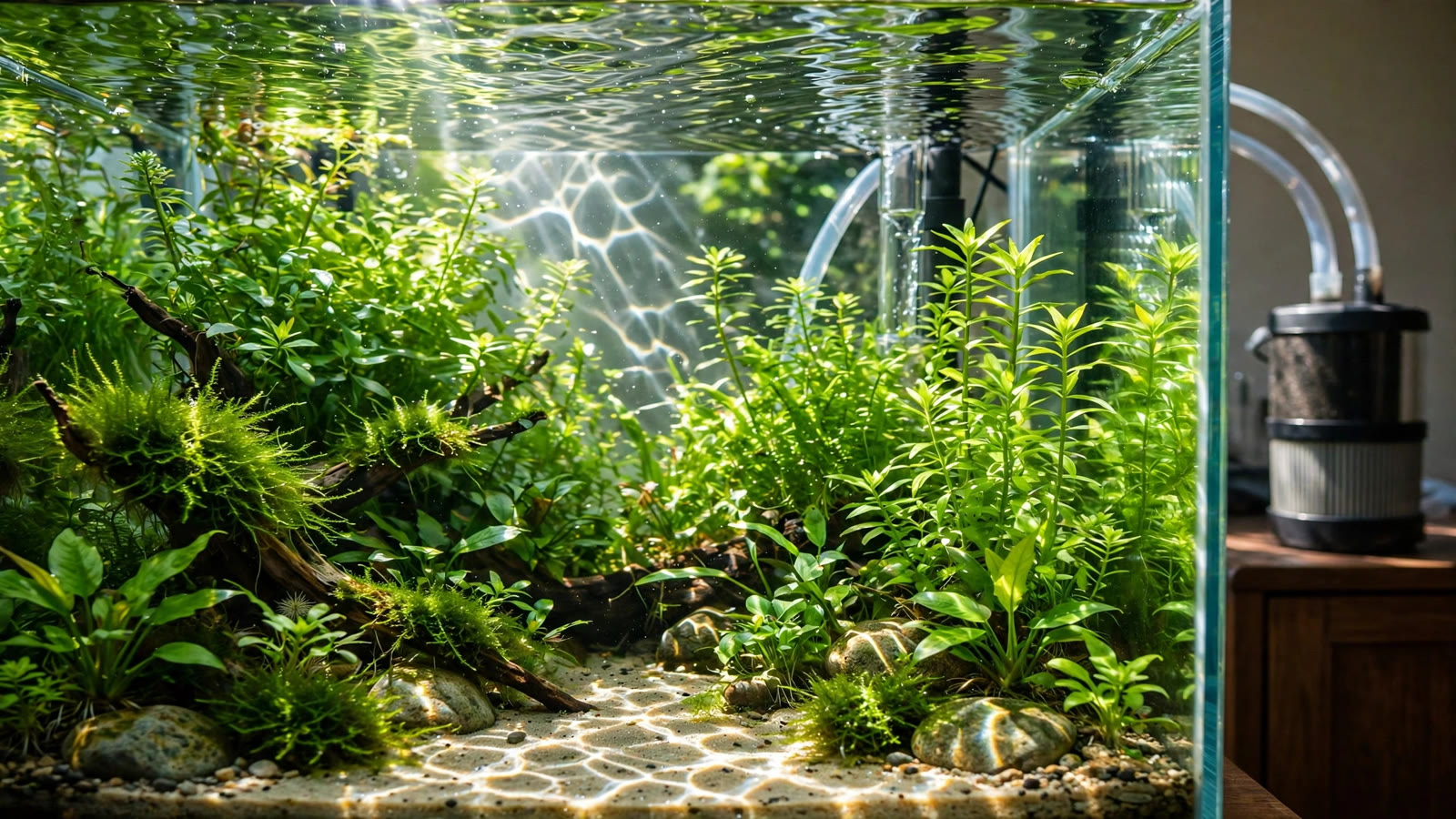
The honest truth about activated carbon and liquid fertilizer: which nutrients it steals, when carbon is genuinely useful, and how to dose around it.
 Plant Care
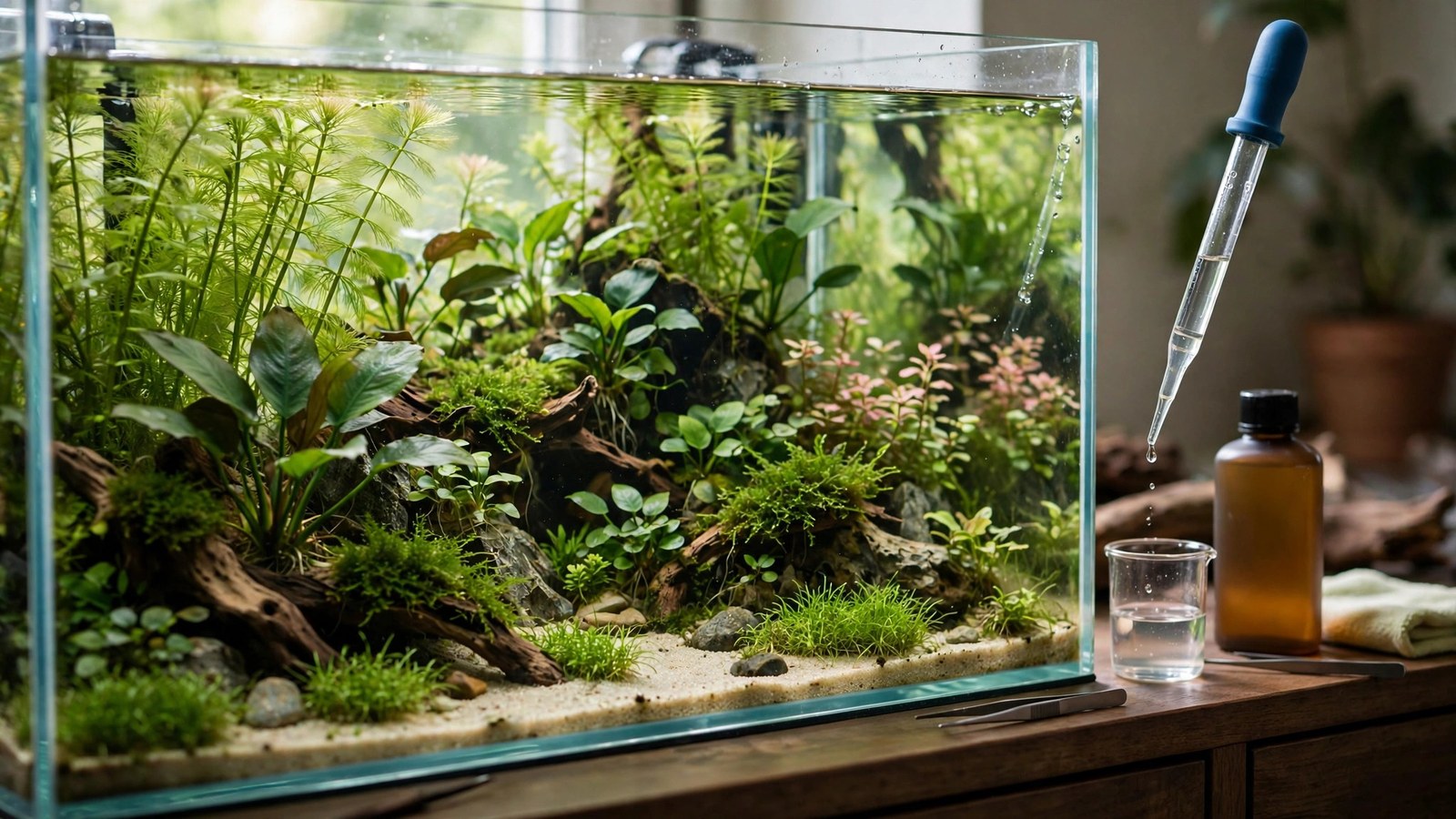
One bottle, one pump — but the label dose is only a starting point. How to dose all-in-one fertilizers for your specific tank and when to supplement.
 Plant Care
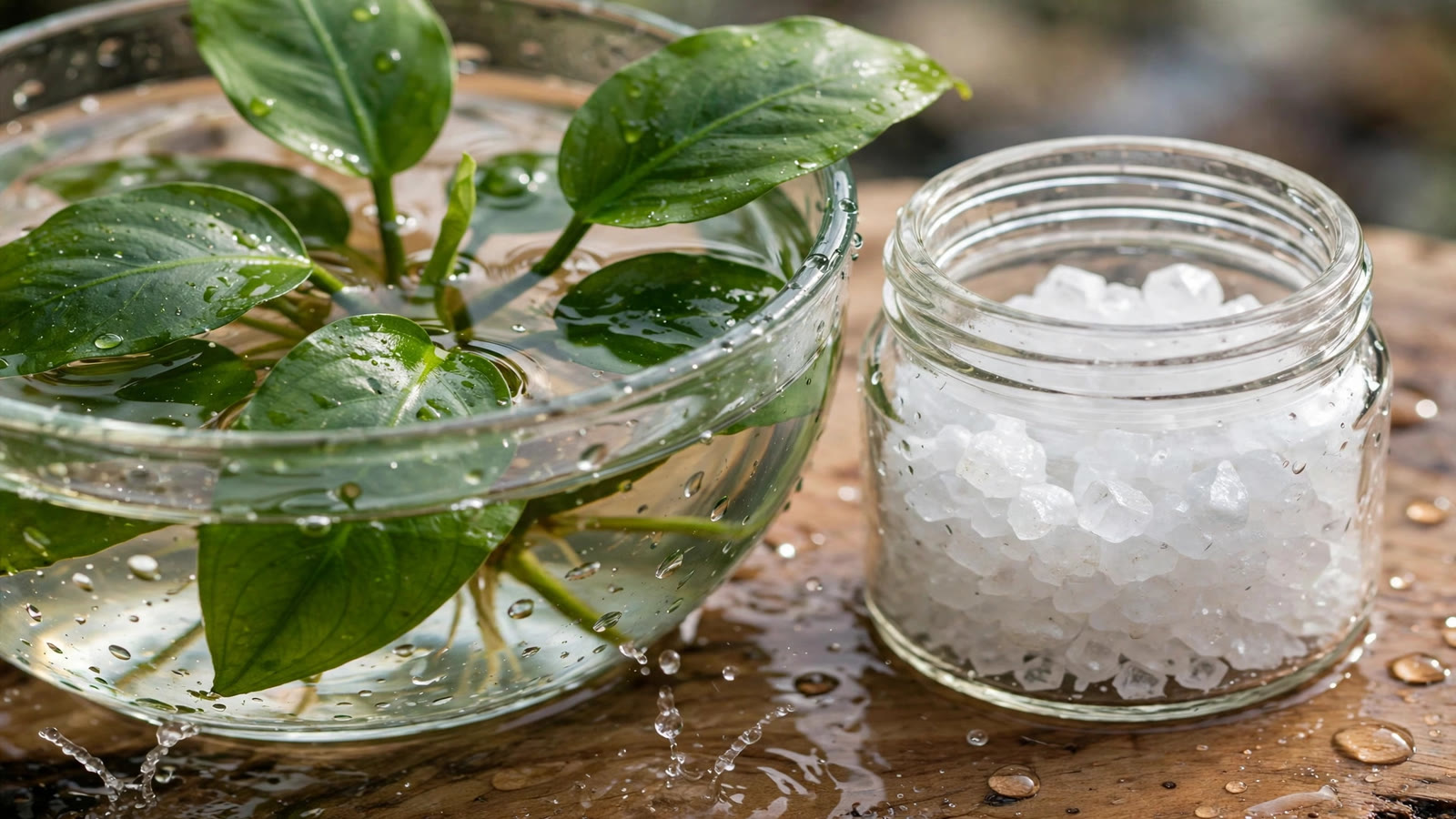
Alum dip is the gentlest way to kill snails and snail eggs on new aquarium plants: safe dosages, soak times by plant sensitivity, plus a rinsing protocol.
 Plant Care
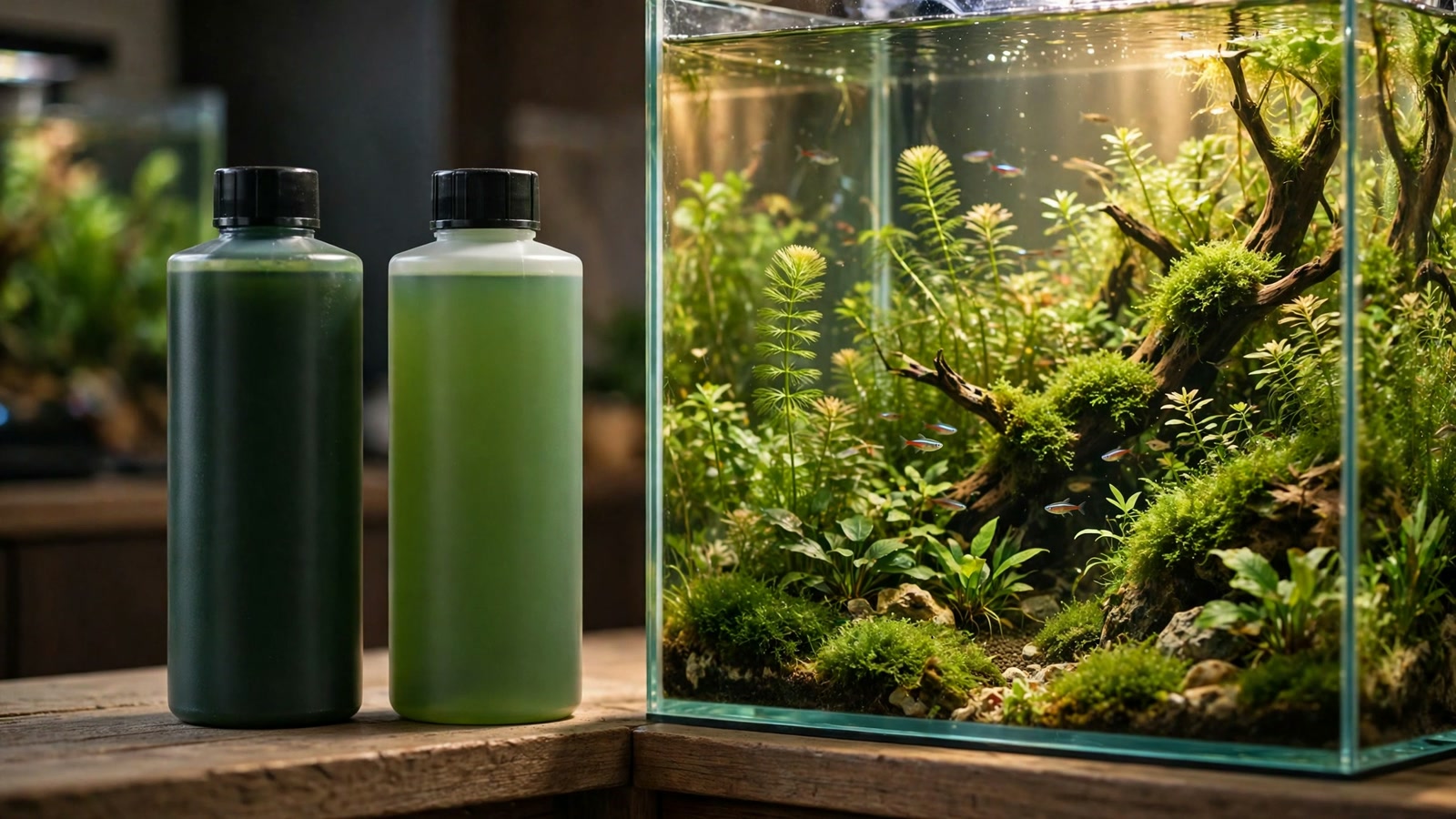
APT Complete vs Easy Green, head to head: NPK ratios, dosing philosophy, shrimp safety, and cost per dose — the honest breakdown for planted tank keepers.
 Plant Care
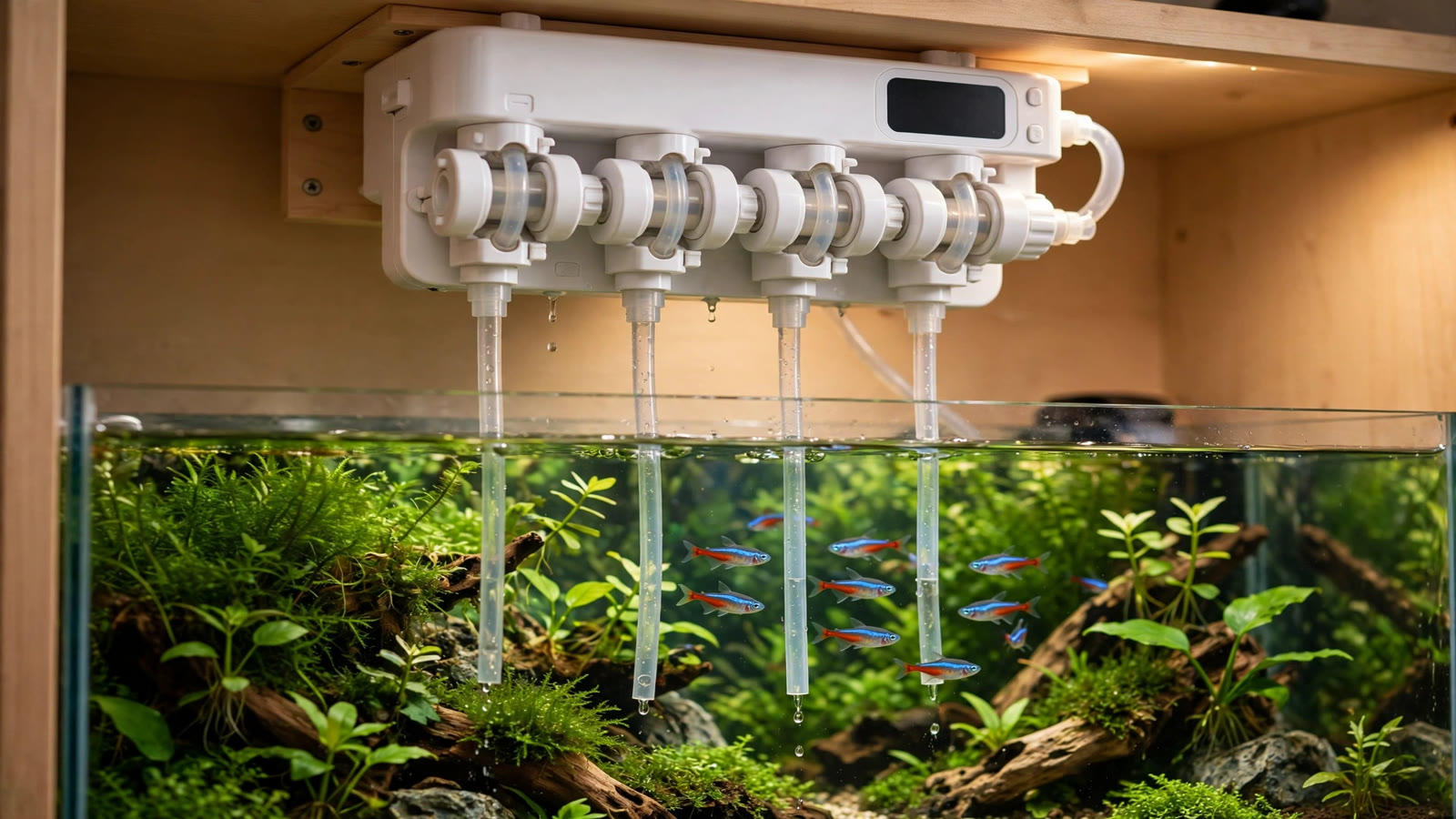
Stop inconsistent fertilizing from stalling your plants. Choose, calibrate, and program an aquarium dosing pump for steady daily fertilizer delivery.
 Plant Care
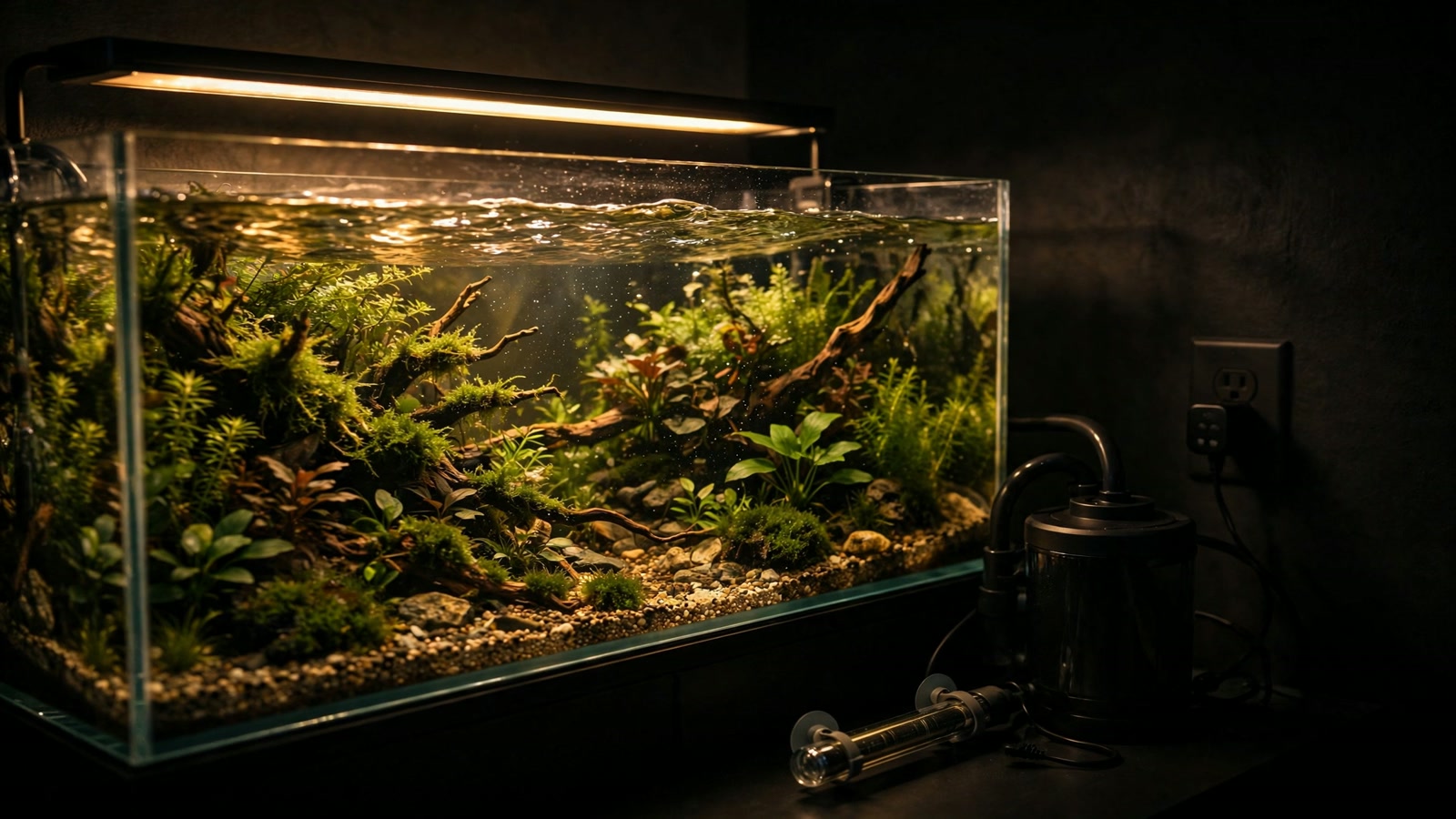
A typical planted tank adds $3–$15 a month to your power bill. Here is the exact watts-to-dollars math, the heater duty-cycle trick, and six ways to pay less.
 Plant Care
A beginner-friendly weekly aquarium plant fertilizer schedule: what to dose each day, root tab timing, and adjustments for your tank.
 Plant Care
Trace elements like iron, manganese, and boron unlock growth that macros alone can't. Learn CSM+B dosing, deficiency symptoms, and shrimp-safe routines.