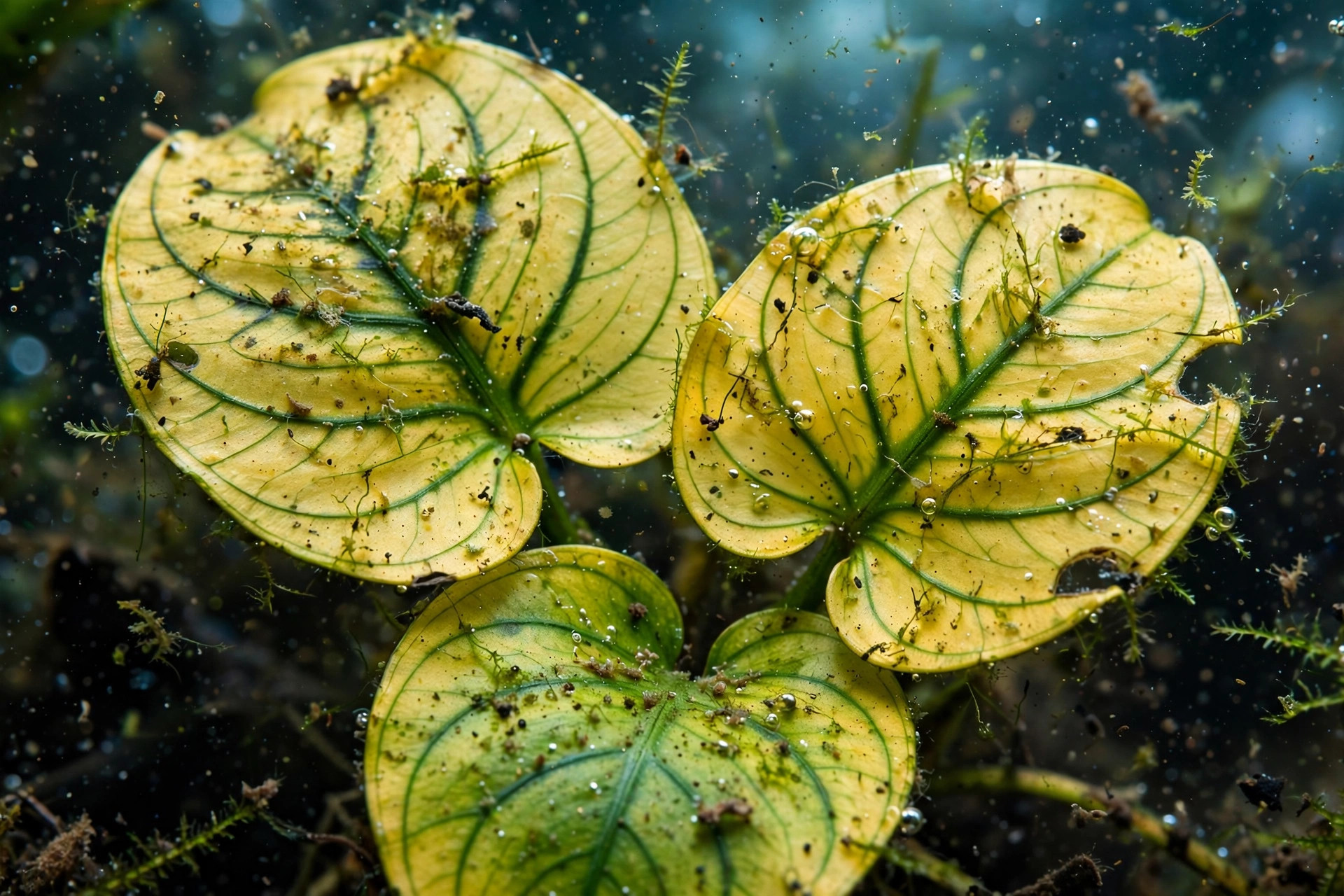
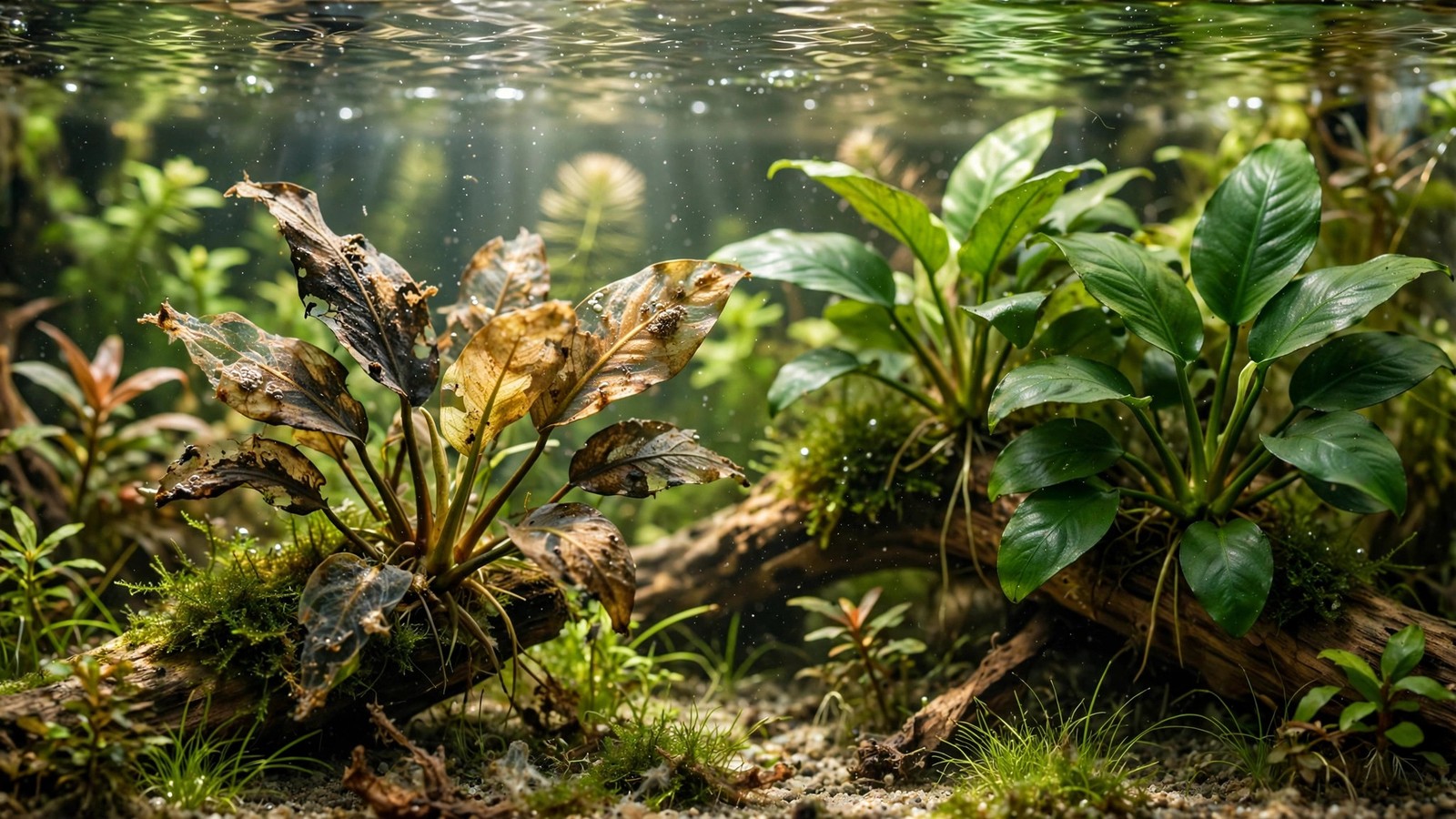
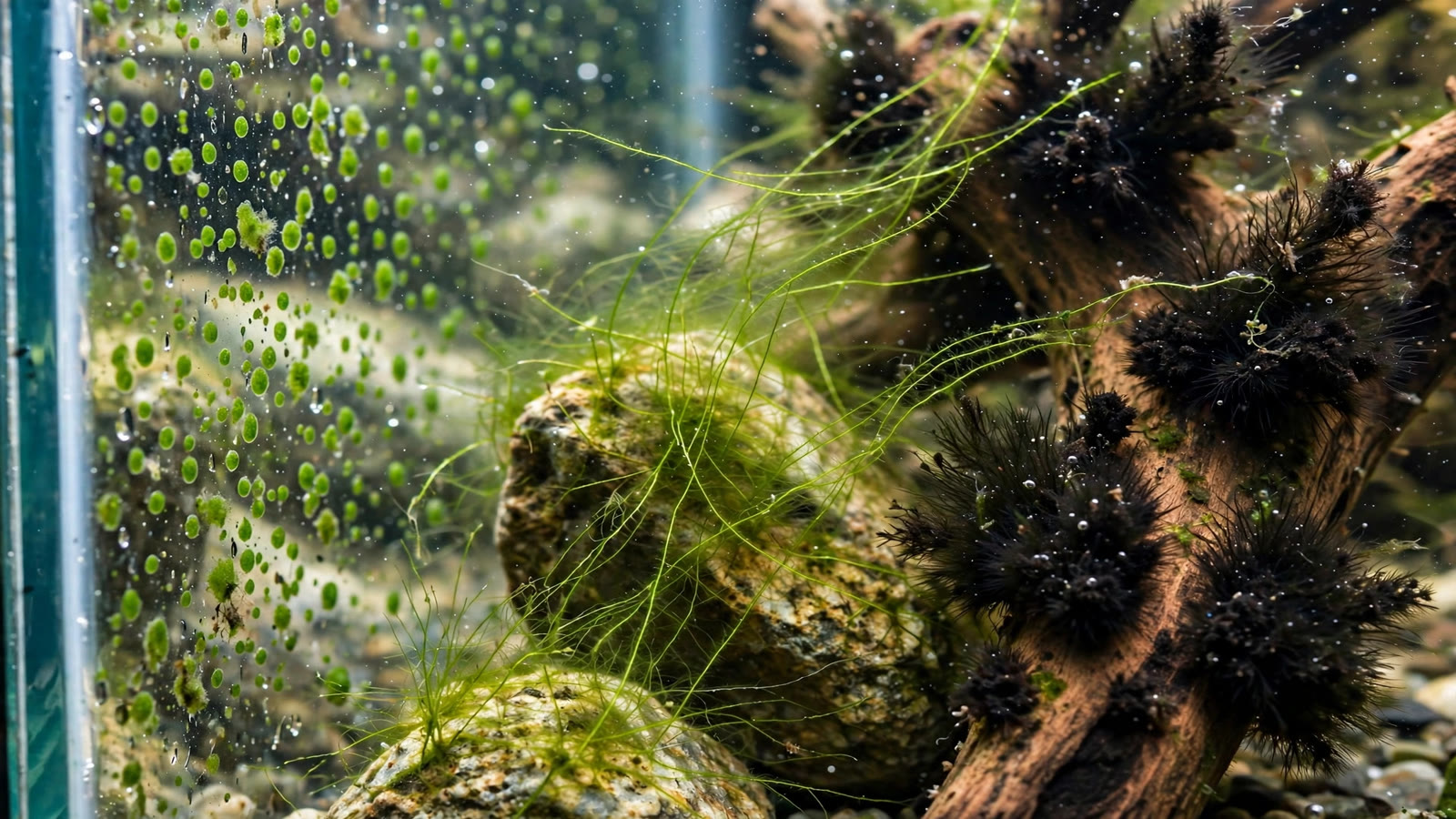
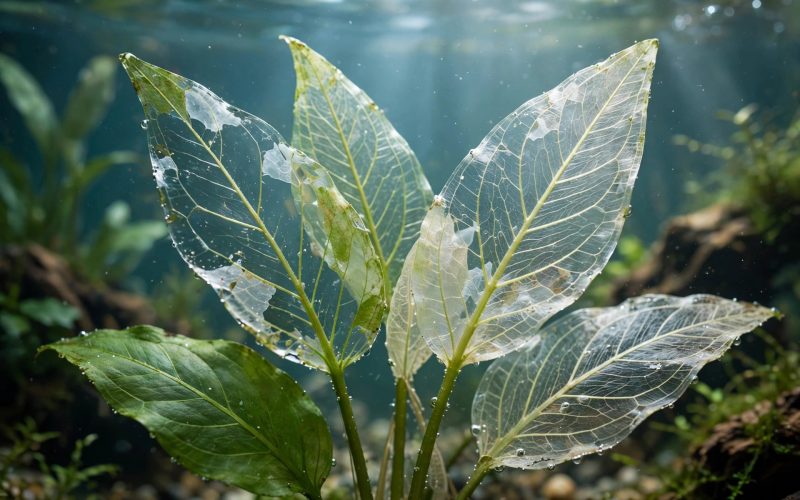
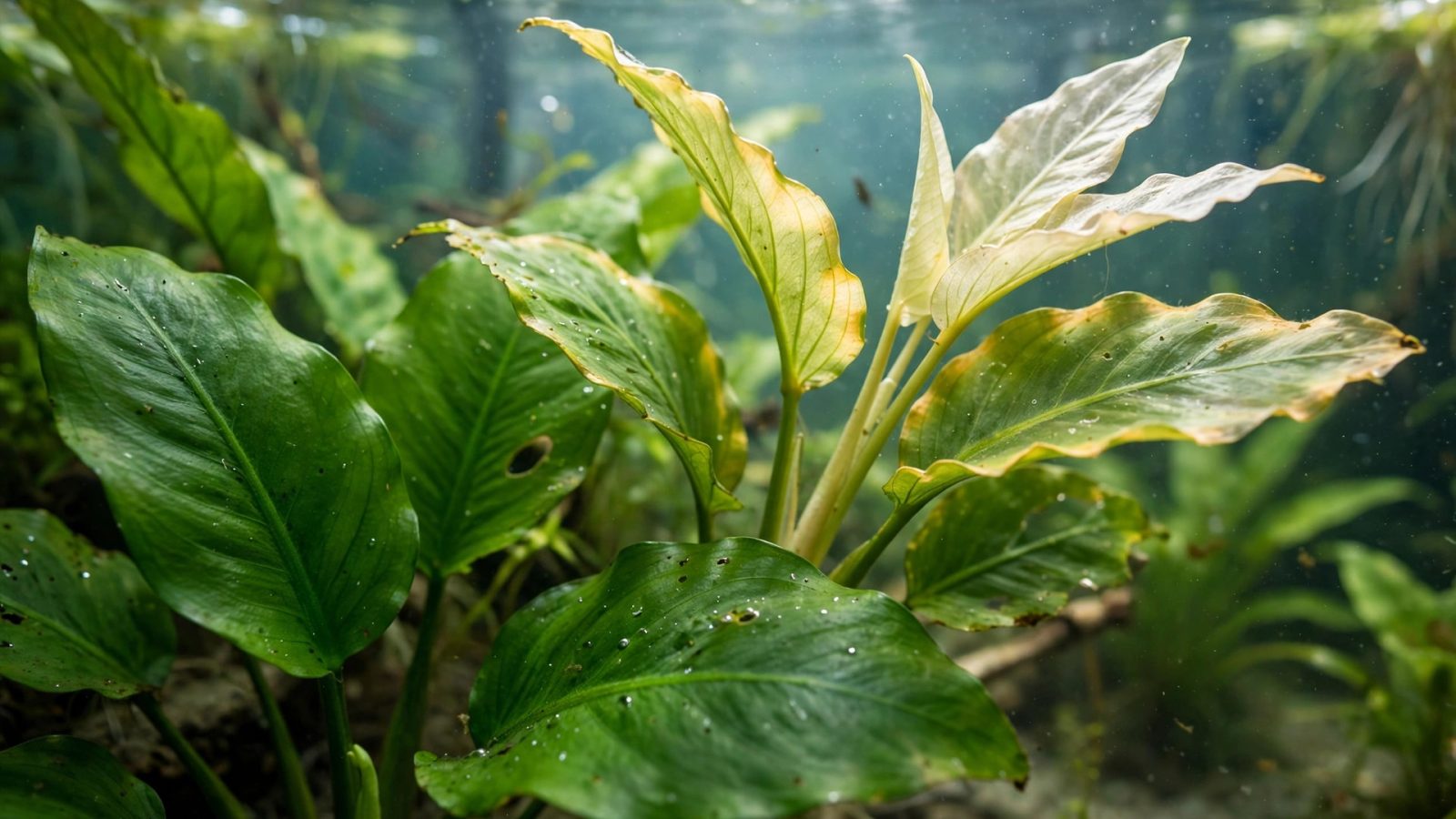
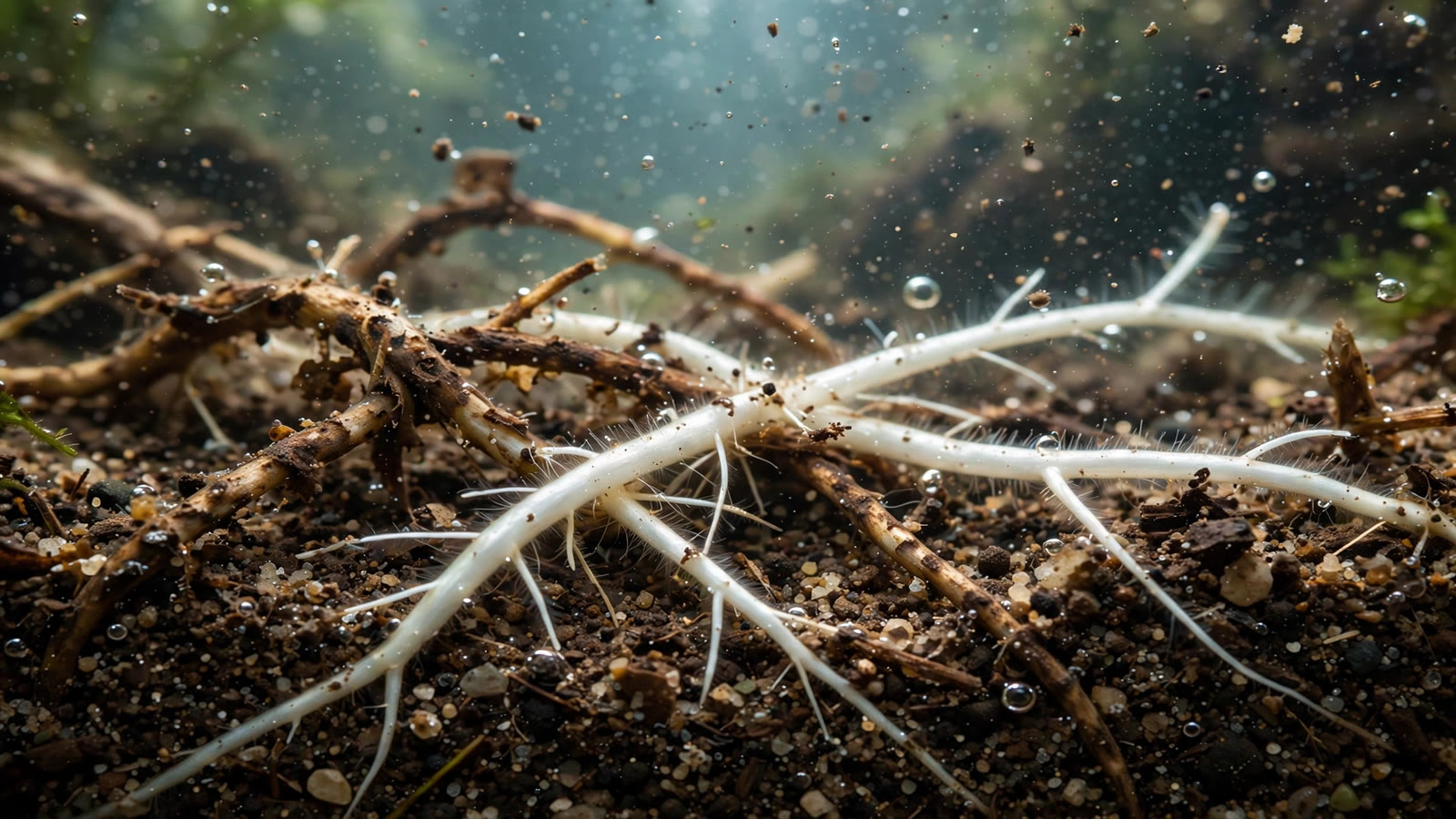
When aquarium plants suffer, they tell you exactly what is wrong — if you know the language. Yellow older leaves with green veins signal magnesium deficiency; pinholes that grow into ragged edges mean potassium shortage; pale, stunted new growth points to iron; sudden melting after planting is usually emersed-to-submersed transition, not death. And algae is never random: hair algae follows excess light with lean CO2, black beard algae follows unstable CO2 and poor flow, green spot algae follows low phosphate and long photoperiods, diatoms follow new tanks and silicates.
The diagnostic habit that solves most problems: change one variable at a time, then wait two weeks. Plants respond slowly; chasing three fixes at once teaches you nothing. Start with the free fixes — cut the photoperiod to 6 hours, improve flow to dead spots, remove affected leaves manually, do large weekly water changes — before buying anything. Most “dying plant” emergencies are transition melt, nutrient gaps, or algae outcompeting stressed plants, and all three are recoverable.
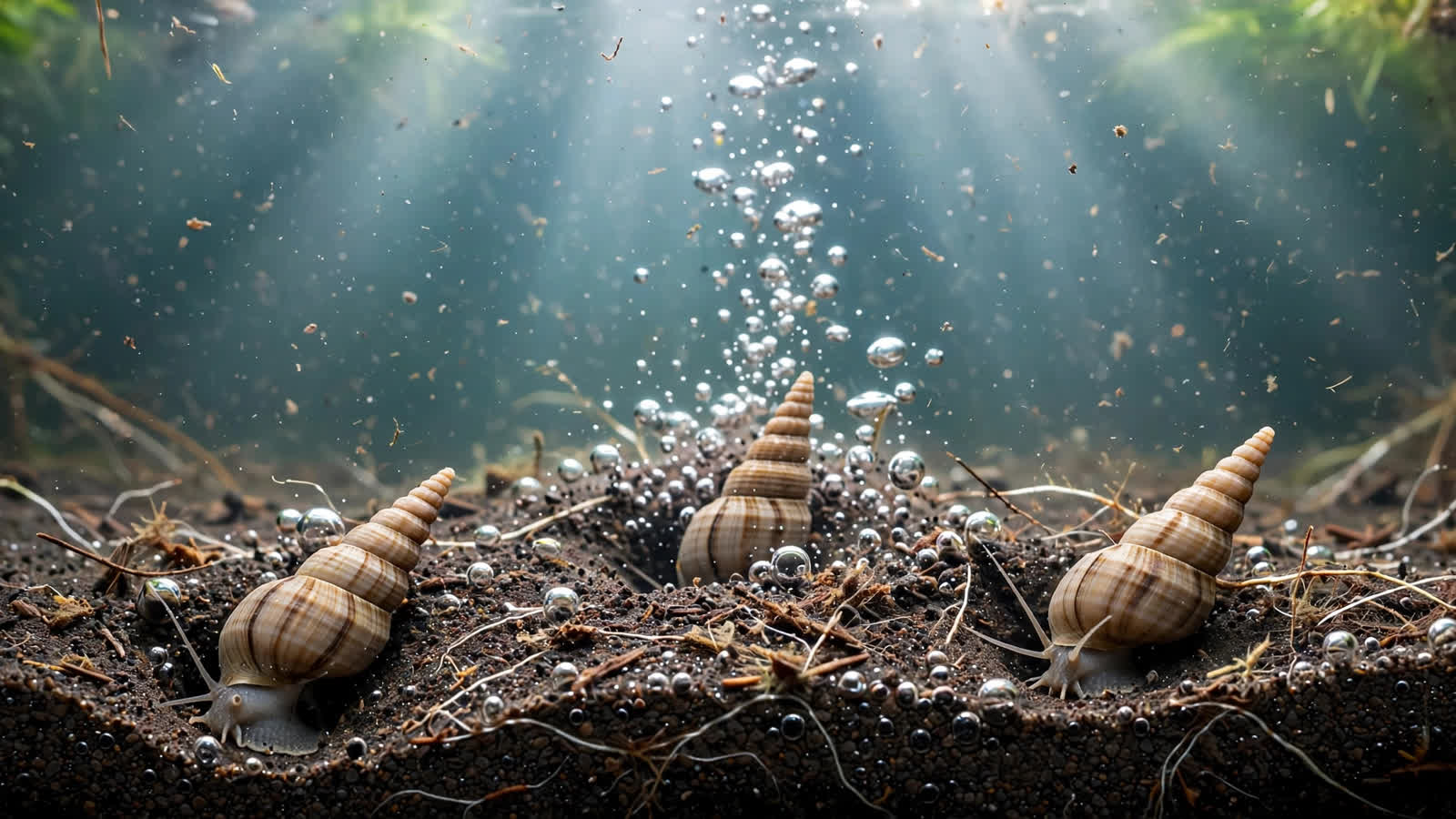
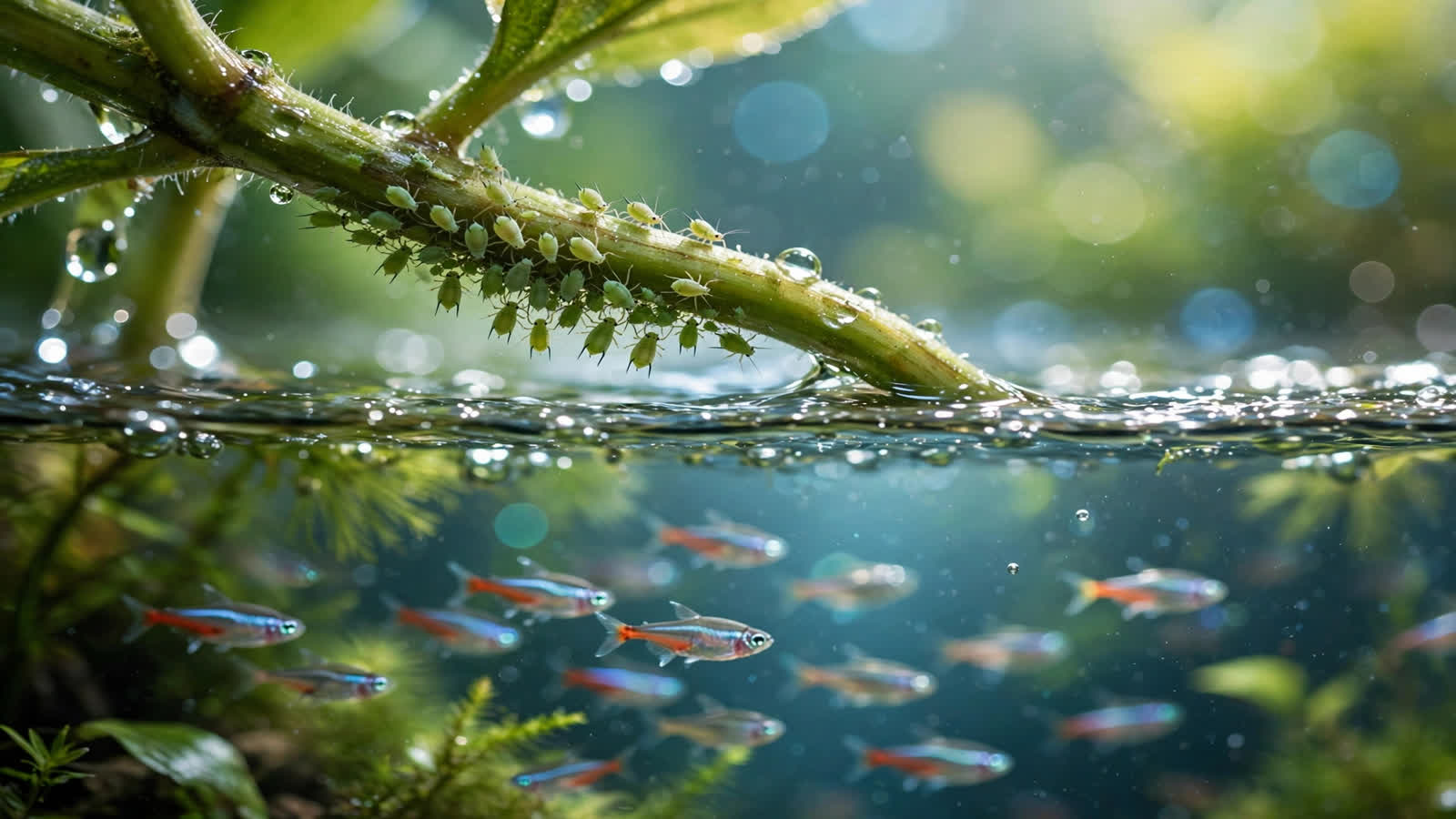
The guides below are organized by symptom so you can start from what you see: algae type identification with treatment protocols, deficiency charts with dosing corrections, melting and transplant shock recovery, and pest removal (snails, hydra, planaria) that will not nuke your shrimp colony. Photograph the problem before you treat it — you will want the before-and-after for the next tank.
 Aquatic Plant Problems