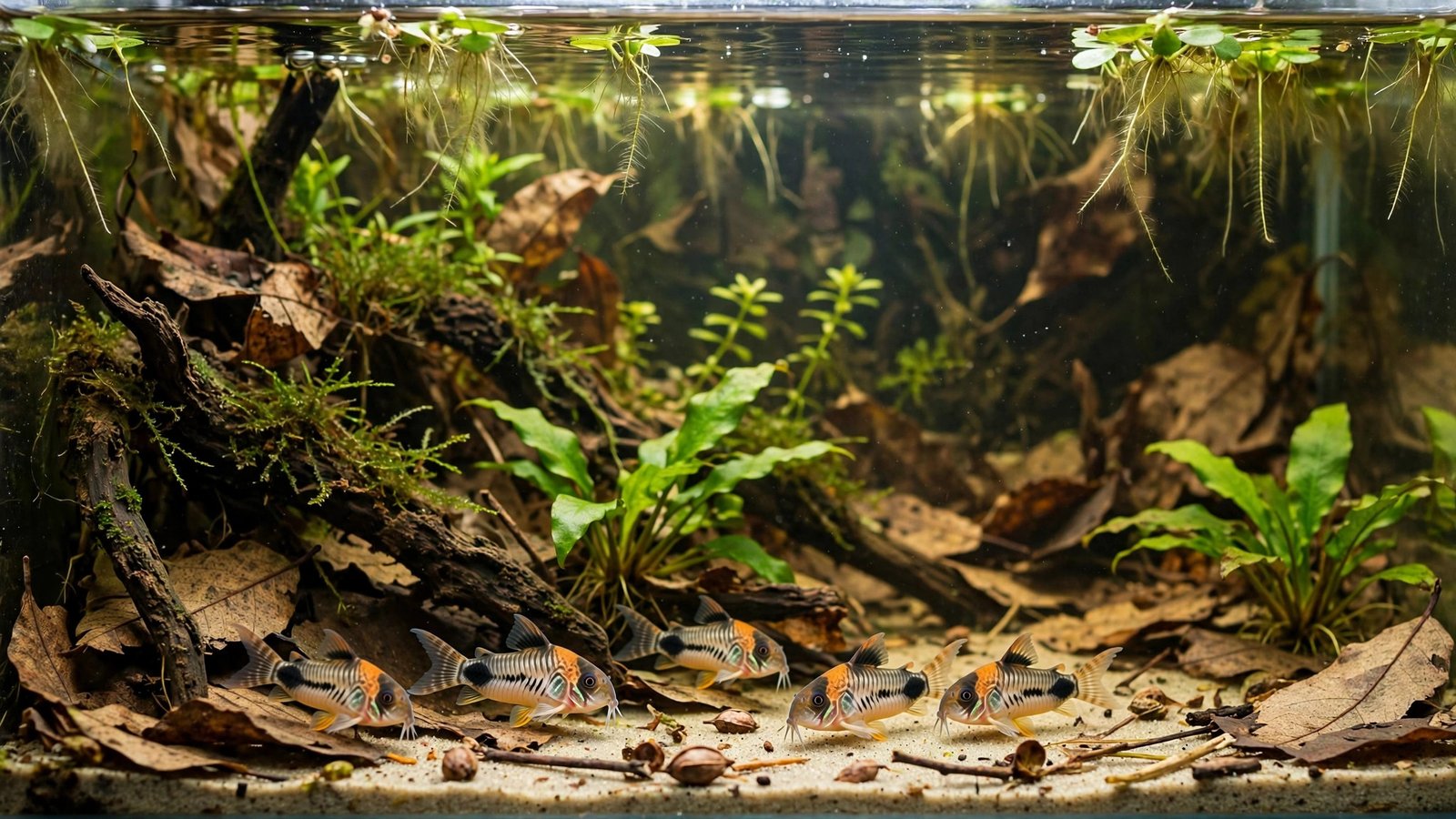
There's a small catfish from the Rio Negro with a splash of sunset orange on its shoulders, and it does its best work in water the color of strong tea. An adolfoi cory planted tank recreates that world: soft, acidic water, fine sand, and a floor of fallen leaves. Get those right and a shoal of Corydoras adolfoi becomes the living heart of your tank.
Why an adolfoi cory planted tank is different
Most corydoras setups suit hardy community fish on gravel. C. adolfoi comes from the acidic, tannin-stained tributaries of the Rio Negro, where the riverbed is soft sand carpeted with decaying leaves. Your plants must tolerate soft, acidic water and subdued light — fish-first plant selection, not plants demanding bright light and CO₂.Substrate: the barbel story
Corydoras feed by pressing their barbels — the delicate sensory whiskers around their mouths — into the substrate and sifting for food. On sharp gravel, barbels abrade and break down, opening the door to infection. On fine sand, corys push their snouts in and sift grains through their gills — delightful to watch. Per the barbel-safe substrates compared comparison, the answer for adolfoi is simple: fine silica or river sand, 0.3–1 mm, 1–2 inches deep in front sloping to 3 under plants. Wash it thoroughly first — cloudiness ruins a blackwater tank's mood.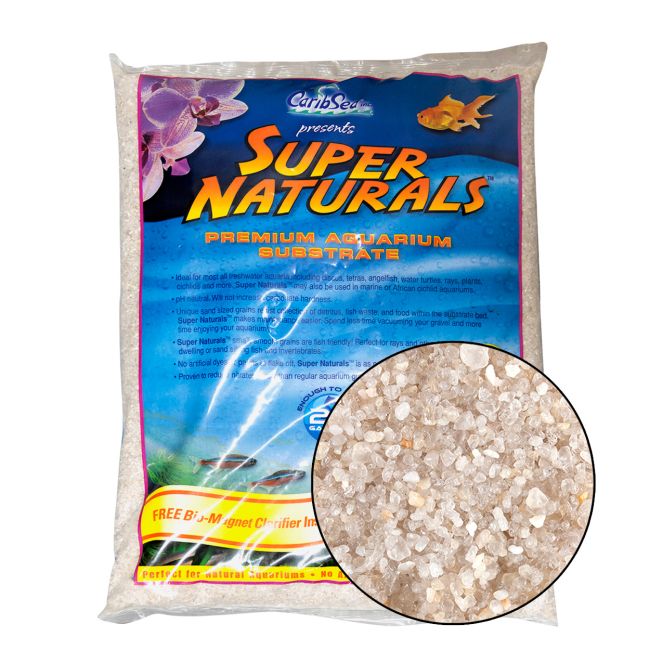 ★4.6
CaribSea Super Naturals Moonlight Sand
Check Price on Amazon ★4.6Building the Rio Negro hardscape
The Rio Negro look is unmistakable: dark wood, scattered leaves, dappled light. Place one or two branching driftwood pieces — spider wood or manzanita — leaving open sand in the foreground. Then add leaf litter: Indian almond (catappa) leaves release tannins, tint the water amber, and add mild antibacterial benefit as they break down. Scatter 8–12 across the sand and replace them as they decompose, roughly every 4–6 weeks.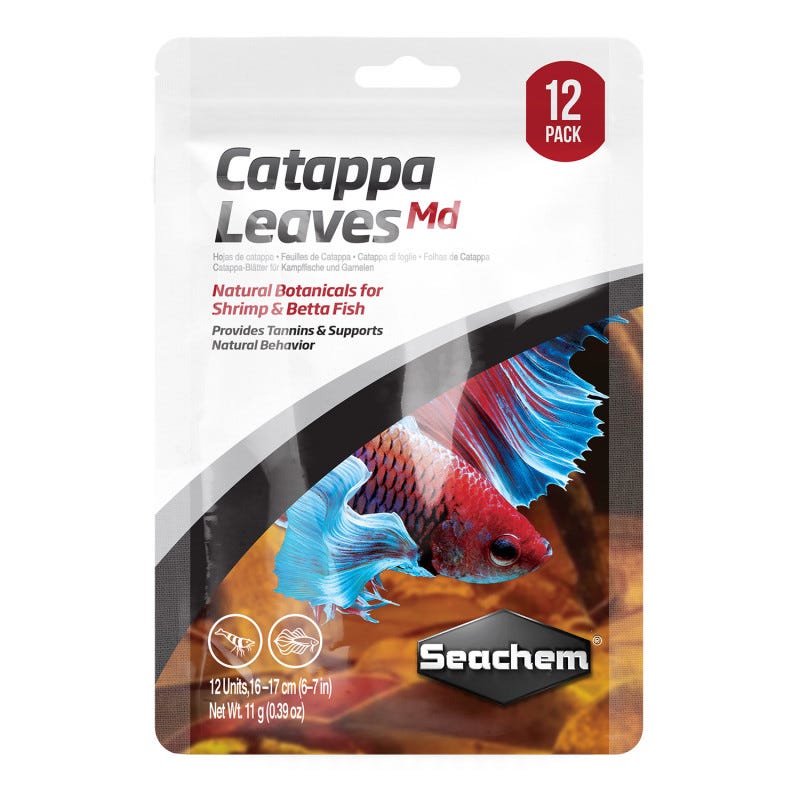 ★4.8
Seachem Catappa Leaves 12-pack
Check Price on Amazon ★4.8Water: soft, acidic, and amber
Aim for pH 6.0–7.0, GH below 8, and 72–78°F. If your tap water is hard, cut it with RO water or run peat through the filter — peat doubles as a tannin source. Let the wood and leaves do part of the work: a mature blackwater setup holds its tint with minimal help. Filter gently (sponge filter or baffled outflow), change 20–25% weekly with temperature-matched water, and add new leaves a few days after each change to rebuild the tint.| Parameter | Target range | Notes |
|---|---|---|
| Tank size | 20+ gallons | Footprint matters more than height |
| pH | 6.0–7.0 | Stable beats perfect |
| Temperature | 72–78°F (22–26°C) | Cooler for conditioning |
| GH | 2–8 dGH | Soft water keeps eggs viable |
| Flow | Gentle | Baffled outflow or sponge filter |
| Light | Low–medium, warm spectrum | Floating plants soften it |
Plants that belong in this water
Choose species that accept soft, acidic water and modest light. Amazon swords anchor the background; Anubias tied to driftwood needs almost no light and gives shaded resting spots; Cryptocoryne wendtii fills the midground. A floating layer — frogbit or salvinia — dims the light, mimics shaded river margins, and the corys color up better beneath it. Keep the front third open sand — that's where your shoal spends most of its time.The shoal, the tank mates, and the orange ID
Buy at least six adolfoi corys; eight to ten is better. They feed, rest, and explore as a unit — a lone cory hides and fades. Good tank mates: ember tetras, green neon tetras, or chili rasboras up top, plus nerite snails. Avoid anything boisterous or large enough to intimidate bottom-dwellers. Identification matters: C. adolfoi is frequently confused with C. duplicareus — both carry the orange-gold nape blotch — but they are separate species, never interchangeable; C. adolfoi's dorsal stripe is narrower and cleaner-edged. Buy labeled stock and never mix the two. Compare the pygmy cory, panda cory, and sterbai cory planted tanks for species-specific takes.Feeding and the cool-water breeding trigger
Adolfoi corys are omnivores with a bottom-feeding bias. Rotate sinking pellets or wafers with frozen daphnia, bloodworms, and blanched vegetables, once or twice daily in amounts they clear within minutes. Add extra protein when conditioning for breeding. The trigger follows the Rio Negro rain pattern: a large cool water change (3–5°F cooler for a day or two), heavy live-food feeding, and slightly increased flow. Females plump up, males chase, and eggs appear on leaves or glass — move them to a rearing tank, since adults eat them. The Seriously Fish profile for Corydoras adolfoi documents this with wild-habitat context.The first month
Cycle the tank fully before the corys arrive — they are sensitive to ammonia and nitrite. Add wood, leaves, and plants first, let tannins build for a week or two, then introduce the full shoal at once; partial groups stress each other. A first-month guide for planted tanks covers the sequence, and this Indian almond leaf guide from Aquarium Co-Op covers sourcing and dosing.Frequently Asked Questions
How many adolfoi corys should I keep together?
Keep at least six; eight to ten is better. In smaller groups they turn shy, stop foraging openly, and their colors dull. A full shoal is confident and active, constantly sifting the sand together in a loose, companionable group every evening.
Can adolfoi corys live on gravel?
They may survive on smooth gravel short-term, but it isn't suitable long-term. Feeding barbels erode on anything coarse or sharp, inviting infection. Fine sand (0.3–1 mm) lets them sift naturally — their defining behavior. Watch a shoal on sand once and the difference is obvious.
What's the difference between C. adolfoi and C. duplicareus?
They're separate species, often mixed up in the trade. C. adolfoi has a narrower, cleaner-edged black dorsal stripe; C. duplicareus shows a broader one. Both carry the orange nape blotch, which causes the confusion. Buy labeled stock and don't mix the two.
Do adolfoi corys need blackwater to be healthy?
Not strictly — they adapt to clear, soft, slightly acidic water too. But blackwater matches their native chemistry, deepens their orange markings, and leaf litter gives natural foraging cover. Adequate versus ideal. Even in clear water, still give them sand and dim light.
How do I trigger adolfoi corys to breed?
Condition with protein-rich foods (frozen bloodworms, daphnia) for two weeks, then do a large water change with water 3–5°F cooler than the tank and slightly increased flow. This simulates Rio Negro rainy-season floods; spawning usually follows within a day or two. Move eggs to a rearing tank.
What plants work best with adolfoi corys?
Amazon swords, Anubias, Cryptocoryne, Java fern, and floating frogbit all thrive in the soft, acidic, low-light water they prefer. Keep the front third as open sand for foraging lanes, and let floaters dim the light — the corys color up better under shade.
A well-built adolfoi cory planted tank is quieter than most aquariums — no bright glare, no frantic current, just a shoal of small catfish working the sand under dappled amber light. It rewards patience, and the orange-shouldered corys repay it every evening when they come out to feed.