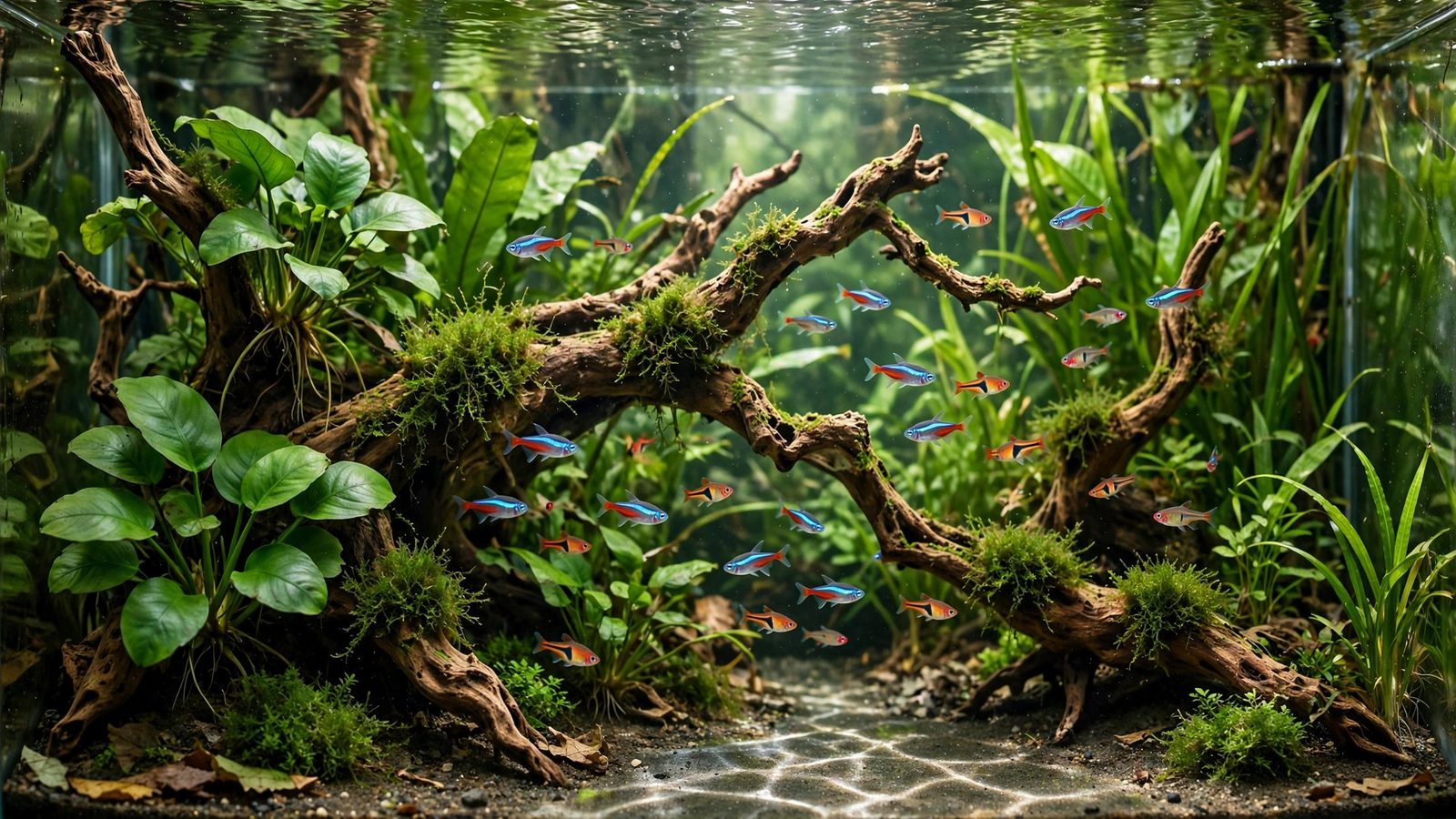
You picked out your fish first, and now you are staring at the plant rack wondering which of these greens will survive the specific chaos your fish are about to cause. That instinct is exactly right: most plant guides are written for aquascapers who care about composition, but you care about what happens when a curious platy investigates every new leaf or your angelfish decides the sword plant's new growth is a snack. This guide picks aquarium plants for fish tanks from the fish's point of view — ranked by how they handle nibblers, diggers, and curious grazers, and how much they actually do for your water.
Why a fish-first plant list looks different
Typical plant lists rank species by how pretty they look and how little light they need. But a plant that "needs low light" still dies if your mbuna cichlids rearrange the substrate daily. A fish-first list asks different questions: How thick is the leaf? Does it root deeply enough to survive digging? Will herbivorous fish find it delicious? Can it grow attached to rock or wood, so it never touches substrate your fish disturb?
Fish-tank compatibility boils down to three plant traits. First, leaf toughness: leathery leaves like Anubias or Java fern resist tearing and taste bitter to most grazers. Second, attachment style: epiphytes grow tied to hardscape, so substrate-digging fish can't uproot them. Third, growth speed: fast growers outpace nibbling and vacuum excess nutrients, which is why they are the backbone of plants that absorb nitrates strategies. Every pick below is judged on these three traits, plus real difficulty — not catalog difficulty, but "will a beginner with a 20-gallon community tank keep this alive" difficulty.
Can aquarium plants really grow without CO2?
Yes — and this is the single most liberating fact for beginners. CO2 injection turbocharges growth, but it is a luxury, not a requirement. In a stocked fish tank, your fish are CO2 generators: respiration, waste breakdown, and surface agitation constantly dissolve CO2 into the water. Combined with a basic LED running 6–8 hours daily at 20–40 PAR, dozens of species grow steadily, just slower than in a high-tech tank.
The honest trade-off: without CO2, expect roughly half the growth speed and simpler growth forms. Stem plants still grow but stay leggier; red plants stay greener. None of that matters if your goal is a lush, healthy fish habitat rather than a contest-grade aquascape. The easiest aquarium plants that thrive with no CO2 fill this niche perfectly — start there and add CO2 only if you fall in love with demanding species later.
Do plants need fertilizer, or is fish waste enough?
Fish waste is a genuine fertilizer — ammonia from waste converts to nitrate, which plants absorb eagerly. In a moderately stocked tank, nitrate-hungry plants often get everything they need from fish alone. That is why heavily stocked tanks grow hornwort like a weed while a sparsely stocked tank's swords develop yellow, translucent leaves: nitrogen is covered, but potassium, iron, and magnesium are not.
The practical middle ground: dose lightly and watch the leaves. A lean dose of an all-in-one liquid fertilizer — about 2–3 mL per 10 gallons weekly — covers micronutrient gaps without fueling algae. Heavy root feeders like Amazon swords and crypts prefer root tabs pushed into the substrate every 2–3 months instead. If you want to mix your own fertilizer on a budget, start with a plain all-in-one formula and dose lean — no fancy recipe needed. The rule of thumb: if new leaves emerge pale and growth stalls while algae stays quiet, feed the plants; if algae blooms the moment you dose, back off and add more plants instead.
The fish-proof plant list: ranked by difficulty and cleaning power
Below are the species that earn a place in a fish-first tank, ranked from bulletproof to slightly demanding. Each one has survived real community tanks with tetras, barbs, platies, angelfish, and the occasional nibbler. Where a species needs special handling with diggers or vegetarians, it says so in the notes.
| Plant | Fish-toughness | Growth speed | Nitrate cleanup | Notes for fish tanks |
|---|---|---|---|---|
| Anubias barteri | ★★★★★ | Slow | Low | Leathery leaves ignore nibblers; tie to rock/wood so diggers can't uproot it |
| Java fern | ★★★★★ | Slow | Low | Bitter-tasting, cichlid-safe; attach to hardscape, never bury the rhizome |
| Amazon sword | ★★★★☆ | Medium | Medium | Big leaves handle most grazers; needs root tabs; one plant anchors a tank visually |
| Hornwort | ★★★☆☆ | Very fast | Excellent | Best nitrate sponge for new tanks; floats or weights down; sheds needles when stressed |
| Anacharis (elodea) | ★★★☆☆ | Very fast | Excellent | Outcompetes algae in cycling tanks; some herbivores love it — plant it in excess |
| Java moss | ★★★★☆ | Medium | Medium | Fry and shrimp refuge; fish can't kill it, only dislodge it — glue or tie it down |
| Cryptocoryne wendtii | ★★★★☆ | Slow | Low | Survives digging once established; melts if moved, so plant it where it will stay |
| Vallisneria | ★★★☆☆ | Fast | Good | Background grass that runners spread fast; plecos and goldfish may rasp it |
| Amazon frogbit | ★★★★☆ | Fast | Excellent | Floating cover reduces fish stress and light; dim planted tanks below it need medium light |
Two patterns matter here. First, epiphytes (Anubias, Java fern, Java moss) are your insurance policy: nothing your fish do to the substrate can dislodge them. Second, the fast growers are functional, not decorative — they stabilize water chemistry while the slow, permanent plants establish. The smartest fish-first tanks run both: tough structure plants for the long term, weedy nutrient-sponges that get thinned monthly.
Plants with problem fish: cichlids, goldfish, and diggers
This is where most guides wave their hands. Let's be blunt: African cichlids, goldfish, and dedicated diggers like earth-eaters will destroy most soft plants. But "most" leaves a usable short list.
For goldfish tanks, lean on plants goldfish find unappetizing: Anubias, Java fern, and hornwort in weighted bunches. Goldfish will taste-test everything once, then generally leave the bitter-tasting species alone. The full strategy is covered in our guide to aquarium plants for goldfish tanks, including which plants double as supplemental snacks you can sacrifice on purpose.
For African cichlids, only the toughest survive: Anubias and Java fern epoxied or tied to heavy rockwork, plus Vallisneria in rocky pockets. Anchor everything like an earthquake is coming, because it is — mbuna will rearrange anything loose. South American cichlids (angels, discus, apistos) are far gentler: they dig during spawning but coexist with swords, crypts, and moss happily. See plants for African cichlid tanks and plants for discus tanks for species-by-species stocking lists.
Stocking-aware placement: where each plant goes
Placement is not about aesthetics here — it is about surviving your livestock. The rule: put the plants your fish interact with most where the fish interact least.
Foreground and midground zones are high-traffic — fish graze, sift, and spawn there. This is crypt and Anubias territory: low, tough, and anchored to rocks or driftwood. Keep delicate stem plants out of the front entirely. The background is your fast-grower nursery: hornwort, anacharis, and Vallisneria absorb nitrates where nobody digs. Floaters like frogbit and duckweed stay completely out of reach of bottom-dwellers while calming skittish surface fish and cutting light that would otherwise feed algae.
One placement mistake to avoid: don't cluster all plants in one "planted corner." Spread them so every zone of the tank has something processing waste — fish spend time everywhere, and nitrate hotspots form where nothing grows. For a full zone-by-zone plan, our aquarium plant placement guide maps foreground, midground, and background choices by tank size.
Lighting and substrates that work for fish-first tanks
You don't need aquascaping-grade gear. A basic full-spectrum LED that came with your kit delivers 20–40 PAR at substrate level in most tanks under 24 inches tall — plenty for every plant on the list above. Run it 6–8 hours daily; longer photoperiods mostly grow algae faster than plants in low-tech setups. If you ever upgrade lights, shop the mid-tier full-spectrum LEDs with dimming and a built-in timer — consistent output matters more than the brand name.
Substrate matters less than plant forums suggest. Inert gravel grows Anubias, ferns, and floaters just fine — none of them touch the substrate. If you want swords, crypts, or Vallisneria to thrive, push root tabs into the gravel every 2–3 months instead of buying expensive aquasoil. And if you are starting from scratch, build in this order: equipment first, then fast-grower stems and floaters in week one, slow structural plants next, and give the tank 30 days to settle before stocking heavily.
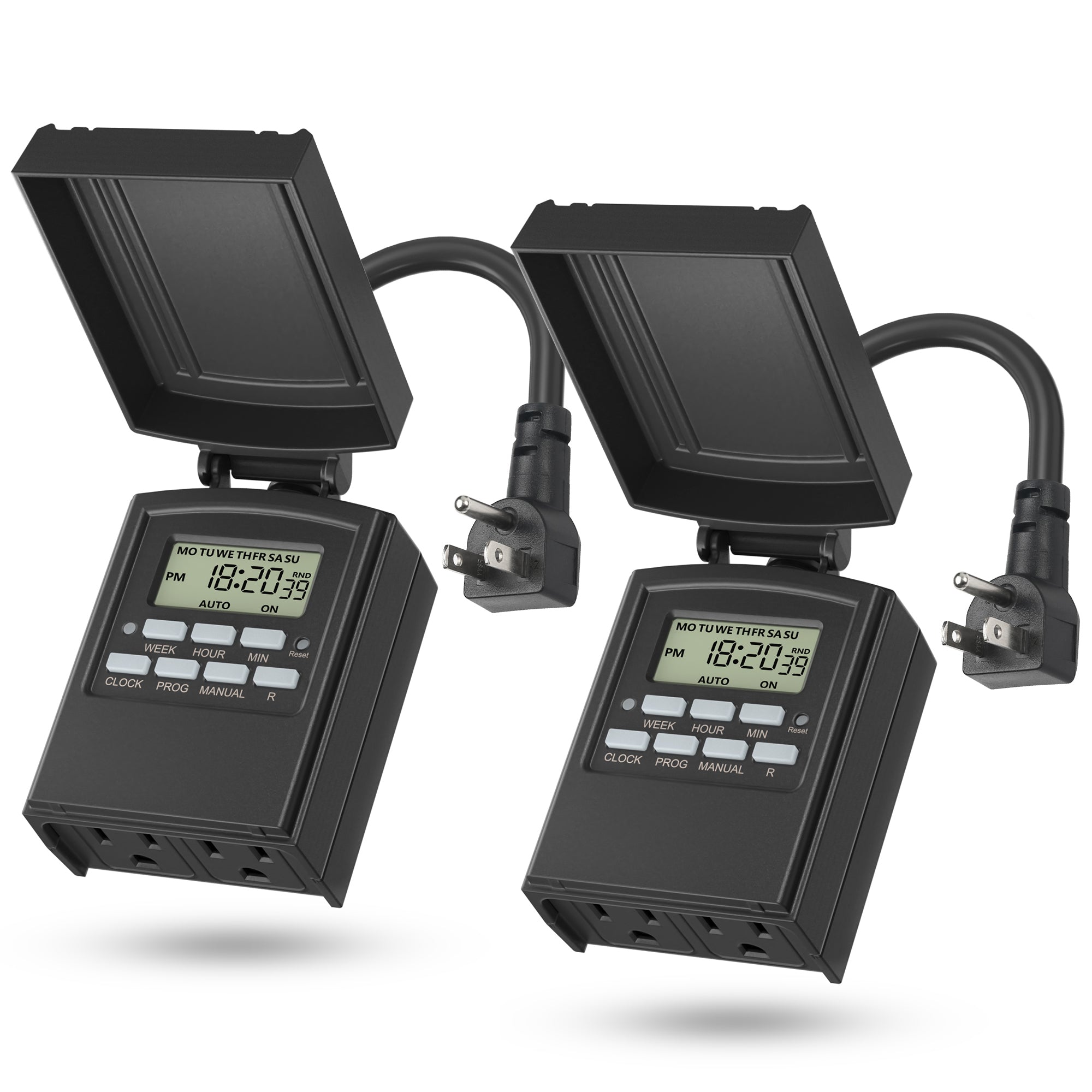 ★4.4
BN-LINK Digital Outlet Timer
Check Price on Amazon ★4.4How aquarium plants for fish tanks make your fish healthier
This isn't just decoration. Dense planting cuts aggression by breaking sight lines — cichlids and gouramis chase less when the tank has visual barriers. Shy fish like tetras and rasboras color up and shoal tighter under floating-plant cover because open bright water reads as "predator territory" to them. Fry survival jumps dramatically in moss: one golf-ball clump of Java moss can turn a community tank from "zero fry survive" to "constant supply."
Water-quality benefits are measurable. Fast growers pull nitrate, phosphate, and ammonium straight from the water column — a well-planted tank can hold nitrates under 20 ppm between water changes where a bare tank would hit 40+. Tropica's plant database documents each species' growth rate and demands if you want to verify any pick here — see Tropica's aquarium plant catalogue for growth-rate classifications. For a fish-first tank, plants are life-support equipment that happens to look beautiful.
Frequently Asked Questions
Can aquarium plants grow without CO2?
Absolutely. Most easy plants — Anubias, Java fern, swords, crypts, mosses, hornwort — grow steadily in a stocked tank using CO2 from fish respiration and waste breakdown, with 6–8 hours of basic LED lighting. Growth is roughly half the speed of a CO2-injected tank, but the plants stay healthy and fill in over 2–3 months. CO2 only becomes important for demanding red plants, carpets, and high-light stems.
Do I need fertilizer if I have fish?
Fish waste supplies nitrogen and phosphate, but it rarely covers potassium, iron, and magnesium. Start with fish waste alone, then watch new leaves: pale or stunted new growth means you need a lean all-in-one liquid dose (about 2–3 mL per 10 gallons weekly). Root-feeding plants like Amazon swords do better with root tabs pushed into the substrate every 2–3 months than with liquid dosing.
Can I keep plants with goldfish or cichlids?
Yes, with the right species. Goldfish tolerate bitter-tasting plants like Anubias and Java fern, plus hornwort in heavy bunches; plant crypts in terracotta pots so roots can't be uprooted. African cichlids need only the toughest: Anubias and Java fern epoxied to heavy rockwork. South American cichlids like angelfish and discus are much gentler and coexist with swords, crypts, and mosses happily.
How many plants should I start with?
More than feels right. Aim for roughly one plant per gallon as a starting point, weighted toward fast growers: in a 20-gallon tank, that's several bunches of hornwort or anacharis, a few crypts or Anubias, and a floater portion. You can thin everything back in a month — but starting sparse is how algae gets a foothold while slow plants establish.
Will plants stop algae in my fish tank?
They won't eliminate it, but they starve it. Fast-growing plants absorb the same nitrates and phosphates algae needs, so a densely planted tank grows far less algae than a bare one. The recipe is fast growers from day one, 6–8 hours of light (not 12), and light stocking early on. For dedicated algae-fighting species, see our guide to plants for natural algae control.
Do aquarium plants need a heater or special water?
No — nearly all common aquarium plants thrive at standard tropical community temperatures of 72–80°F and adapt to a wide pH range. They handle hard or soft water without fuss; species picked for extreme water chemistry are the exception, not the rule. Keep temperatures stable and consistent, and your plants will share the same water your fish already enjoy.
Your fish-first planting plan
Stop choosing plants for the photo and start choosing them for the fish. Pick two tough epiphytes (Anubias and Java fern) tied to hardscape so nothing your fish do can uproot them. Add one structural root-feeder like an Amazon sword or Cryptocoryne wendtii for depth. Then flood the tank with fast growers — hornwort, anacharis, frogbit — from day one, and thin them monthly as your slow plants take over the nutrient work. Light fertilization, basic LEDs, no CO2 required, and your fish get cleaner water, more cover, and noticeably calmer behavior. That is the fish-first tank: plants chosen as livestock equipment, built to survive the livestock.