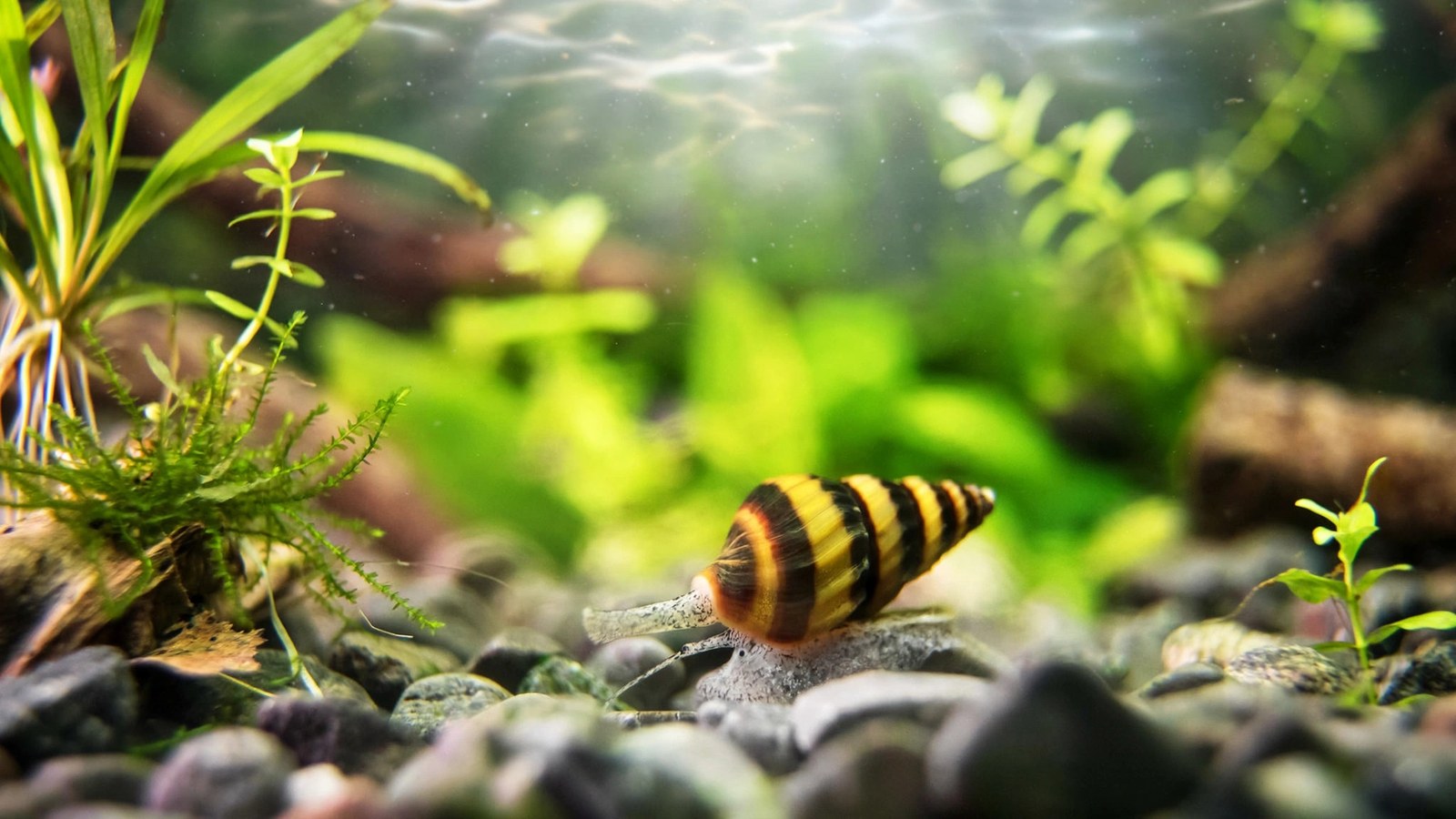
You spot the first tiny bladder snail gliding across the glass and shrug it off. Two weeks later there are forty on the filter intake, and by month's end water changes pull a net full of hitchhikers. Assassin snails (Clea helena) are the only pest control you buy once that works while you sleep — a slow predator that burrows through substrate and hunts pest snails by the dozen. If you're weighing assassin snails for pest control planted tank owners swear by, this guide covers stocking numbers, the first eight weeks, and compatibility.
What Assassin Snails Actually Eat (and What They Ignore)
Forget the image of a snail nibbling algae. Clea helena is an obligate carnivore: it extends a long, flexible proboscis into a pest snail's shell and eats it alive, leaving an empty shell behind. Bladder snails, pond snails, ramshorn snails, and juvenile Malaysian trumpet snails are all fair game — anything they can overpower, which usually means prey their own size or smaller (they top out around 1–1.25 inches).
Just as important is what they leave alone. Assassin snails do not eat healthy plant leaves — crypts, stems, and carpets are safe. They ignore fish, and well-fed adults generally leave adult dwarf shrimp alone (hungry ones can take shrimplets). Large ornamental snails like mystery and nerite snails are usually too big to eat — never let assassins go hungry in a tank with prized snails. For a full rundown of the pests they're hunting, see our pest snail identification and removal guide; for the ornamental route, see our planted snail tank setup guide.
How Many Assassin Snails Your Tank Needs
This is where most people underbuy and declare assassins "useless." A single assassin in a 40-gallon tank is a tourist, not an exterminator. You need a critical mass that eats pest snails faster than they breed:
| Tank size | Light infestation | Heavy outbreak |
|---|---|---|
| 10 gallons | 3–4 assassins | 5–6 assassins |
| 20 gallons | 5–7 assassins | 8–10 assassins |
| 40 gallons | 8–10 assassins | 12–15 assassins |
That works out to roughly one assassin per 2–3 gallons, matching the WetWebMedia snail-eating snail reference — 4–6 assassins per 60 liters (about 15 gallons) to bring a runaway Malaysian trumpet snail population to heel. Start with the light-infestation dose if you catch the problem early; go straight to the heavy dose if you're already scraping egg clutches off the glass daily.
Assassin Snails for Pest Control Planted Tank: The First 8 Weeks
Set your expectations honestly: assassin snails are a siege weapon, not airstrikes. Stocked correctly, assassin snails for pest control planted tank deployments follow this arc:
- Weeks 1–2: The disappearance act. Assassins burrow into the sand and vanish, hunting at night. Empty pest snail shells start appearing in the substrate.
- Weeks 3–4: Visible decline. Pest snails stop appearing on the glass during the day. Egg clutches thin out. Assassins start patrolling in the open.
- Weeks 5–8: Control achieved. Pest sightings drop 90% or more. The remaining population stays low enough to be invisible — and the assassins keep it there.
One warning: assassins rarely achieve total eradication. They manage the population down to near-zero and hold it there — a few survivors keep them fed. If you demand absolute zero, you'll be hand-picking snails forever. Also confirm the culprits are actually pests before declaring war — check our guide on snails eating your aquarium plants to tell plant-eaters from harmless grazers.
Setting Them Up: Sand, Cover, and Copper-Free Water
Assassins hunt by ambush. They bury themselves in the substrate with only their siphon exposed, then lunge at passing prey. On coarse gravel they can't burrow, which cripples their hunting. Give them 2–3 inches of fine sand — pool filter sand or aquarium sand like CaribSea Super Naturals suits planted carpets too.
Water chemistry matters more than most sellers admit. Like all snails, assassins are sensitive to copper, lethal at doses found in some plant fertilizers and medications. Check labels for copper and read our plant-safe aquarium medications guide before dosing anything. Keep pH at 7.0 or above and GH around 6–8 so shells stay hard; soft acidic water erodes them over months. A cuttlebone tucked behind the hardscape slowly dissolves and supplies calcium — cheap insurance.
Decor is simple: driftwood, rocks, and dense plantings give them ambush cover. Our aquarium plants for fish tanks guide covers beginner-proof species that pair well with a snail cleanup crew.
What to Feed Them When the Pests Run Out
This is the step everyone forgets, and it's how assassins end up eating your nerite snail. A successful colony eats itself out of a job in 2–3 months. Once pest sightings stop, switch them to a maintenance diet of high-protein sinking foods — shrimp pellets, carnivore wafers, frozen bloodworms, or frozen brine shrimp — 2–3 times a week, in amounts they finish within an hour.
They also scavenge uneaten fish food, so a lightly fed community tank feeds them between outbreaks. Underfed assassins get bolder; well-fed ones stay lazy. To downsize the colony, list them in your local club — aquarists fighting their own outbreaks will take them gladly. Never release them into local waterways: assassin snails are non-native predators that can establish in warm climates.
Compatibility: Shrimp, Fish, and Fellow Snails
| Tank mate | Verdict | Notes |
|---|---|---|
| Cherry shrimp (adults) | Safe | Keep assassins fed; shrimplets can rarely be taken |
| Vampire shrimp | Safe | Large filter feeders are ignored — see our vampire shrimp care guide |
| Peaceful community fish | Safe | Tetras, rasboras, corydoras, guppies all fine |
| Loaches, puffers | Avoid | They eat your assassins instead |
| Mystery / nerite snails | Caution | Safe if assassins are well-fed and stocked correctly |
| Other assassins | Safe | Slow breeders — single-egg clutches, never an outbreak |
In a display shrimp tank with dense planting, like our best aquarium plants for shrimp tanks recommendations — well-fed assassins are a non-issue for adult shrimp. In a dedicated breeding operation where every shrimplet counts, skip the assassins and manage pests manually. And remember assassins only hunt snails — for planaria in planted tanks, you need a different fix entirely.
Frequently Asked Questions
Will assassin snails eat all my pest snails?
They suppress pest populations by 90% or more within 6–8 weeks but rarely achieve total eradication. That's ideal: the surviving handful keeps your assassins fed indefinitely, so the colony stays stable and the pests never rebound.
Do assassin snails reproduce and become pests themselves?
No. Unlike pest snails, assassins reproduce sexually and lay single eggs one at a time, so their population grows very slowly. A starting group of 5–10 may add a few juveniles over a year — manageable, easy to rehome, and never an outbreak.
Are assassin snails safe for planted aquariums?
Completely. They are carnivores and do not eat healthy plant tissue, algae, or biofilm. They burrow through sand without uprooting established plants, making them one of the safest livestock additions for a planted tank.
Will assassin snails eat my shrimp?
Adult dwarf shrimp are safe — assassins target snails, not shrimp. Very small shrimplets can occasionally be caught by a hungry assassin, so keep the colony well-fed with sinking protein foods if you breed shrimp.
How long do assassin snails live?
Two to three years with moderately hard, copper-free water and regular protein feeding. Because they live long and breed slowly, one purchase can protect a tank for years — excellent long-term value.
The Bottom Line
Assassin snails are the closest thing the hobby has to set-and-forget pest control: stock the right number, give them sand to burrow in, keep copper out of the water, and feed them protein once the pests are gone. Six to eight weeks later the outbreak is a memory — no chemicals, no daily hand-picking. Just biology doing the work.