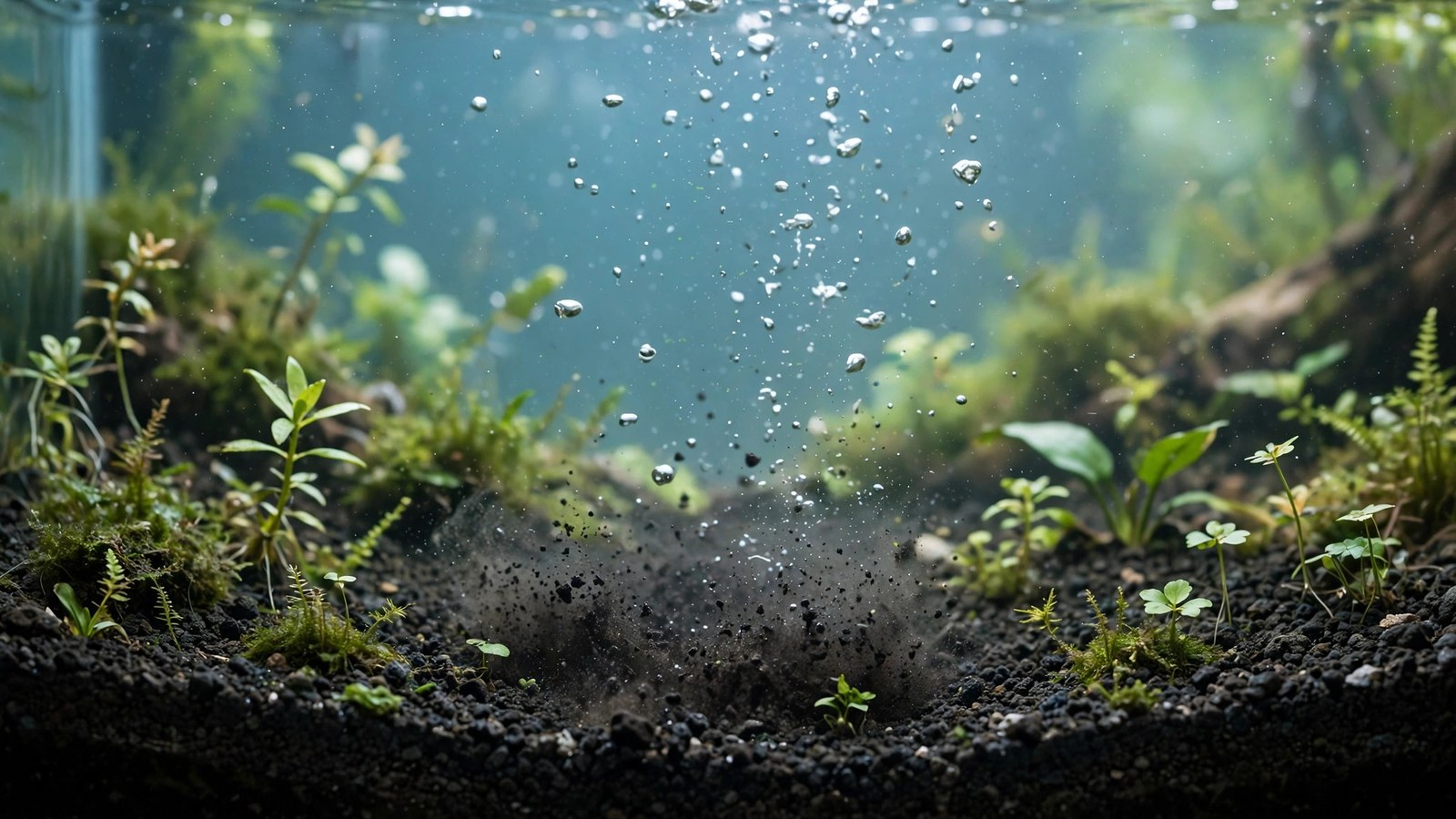
That rotten-egg stink wafting up from your sand isn't "just fish tank smell" — it's a chemical alarm bell. An anaerobic substrate aquarium means oxygen-deprived pockets deep in your substrate are producing hydrogen sulfide, a toxic gas that can kill fish, shrimp, and plant roots if it escapes in a large burst. The good news: you can diagnose it in 60 seconds, fix it without crashing your tank, and prevent it from ever coming back.
What "Anaerobic Substrate" Actually Means
Your substrate is a living city. Oxygen-rich water circulates through its top few centimeters, where beneficial bacteria break down fish waste and uneaten food. Go deeper, and oxygen runs out. Below that line, different microbes take over — sulfate-reducing bacteria that breathe sulfate instead of oxygen and exhale hydrogen sulfide (H₂S) as their waste product. That is the rotten-egg smell.
Here's what most guides gloss over: a small amount of anaerobic activity is completely normal and even useful. Denitrifying bacteria in deep zones convert nitrate into nitrogen gas, which gently lowers nitrates. The problem starts when the anaerobic zone grows too large, too deep, and too packed with decaying organics — then sulfide production outgrows what the substrate can safely contain.
Think of it as a sliding scale. A faint whiff when you disturb one spot during a water change is fine. Bubbles that smell like sewage rising on their own, black layers spreading across your sand, or the odor strengthening month over month — those mean the anaerobic zone has outgrown its bounds.
How to Diagnose It: The Stir-and-Sniff Test
Diagnosis takes one minute and no test kit:
- Pick a suspicious spot. Look for dark patches in the sand, areas where debris collects, or corners with poor flow. Dead zones behind hardscape and under heavy decor are prime suspects.
- Press a chopstick or aquascaping tool about 2–3 cm into the substrate and wiggle it slightly.
- Sniff immediately. A sulfurous, rotten-egg smell means you've found an anaerobic pocket. Sulfide bubbles are typically slow, grayish, and rise in a loose stream — unlike the quick clear fizz of oxygen trapped during planting.
- Check what you uncover. Black, gray, or green-black stained sand or gravel in the disturbed spot confirms sulfate-reducing bacteria are active.
Repeat in a few spots. If the smell appears only in one corner, you have a localized pocket. If every probe releases the stink, your whole bed has gone anaerobic and needs a broader remediation plan.
Why It Happens: The Four Ingredients
Hydrogen sulfide needs a specific recipe. Remove any one ingredient and the problem shrinks; provide all four and anaerobic pockets are practically guaranteed.
1. Too-fine grain size
Play sand, pool filter sand, and fine blasting sands pack together with almost no gaps, so oxygenated water can't circulate between grains. Medium-coarse sand (about 1–2 mm) keeps the upper layers oxygenated while staying plantable and bottom-dweller friendly. Powder-fine substrates are the worst offenders for compaction.
2. Too much depth
Every substrate has an oxygen penetration depth — for sand, typically just 2–4 cm without help from burrowers or circulation. Below that line, oxygen can't diffuse fast enough to keep up with bacterial demand. A 7–8 cm deep sand bed with no burrowing livestock is a hydrogen sulfide factory waiting for a power outage.
| Substrate type | Safe depth without burrowers | Safe depth with burrowers |
|---|---|---|
| Fine sand (<0.5 mm grain) | 3 cm (1.25 in) | 4–5 cm (1.5–2 in) |
| Medium sand (1–2 mm) | 4–5 cm (1.5–2 in) | 5–7 cm (2–2.75 in) |
| Coarse sand / fine gravel (2–4 mm) | 5–7 cm (2–2.75 in) | 7–10 cm (2.75–4 in) |
| Aquasoil pellets (porous) | 5–8 cm (2–3 in) | 8–12 cm (3–4.75 in) |
| Dirt capped with sand (dirted tank) | 5–6 cm (2–2.5 in) total | 6–8 cm (2.5–3 in) total |
Porous substrates like aquasoil resist compaction naturally because their irregular granules keep water moving — one reason aquasoils are so forgiving for beginners. Dirt capped with sand is a special case: the soil layer is biologically dense, so keep the cap shallow and plant the bed densely from day one.
3. Trapped organics
Sulfate-reducing bacteria are fed by decaying matter: uneaten food pressed into the sand, settled fish waste, dead plant roots, and mulm that accumulates over years. A heavily stocked tank over a deep sand bed, fed generously, is the textbook setup for sulfide. Overfeeding and lazy vacuuming accelerate the process far more than depth alone.
4. Zero circulation
Still water breeds still substrate. Tanks with weak filters, no powerheads, or dead corners behind rockwork develop anaerobic zones even at modest depths. The substrate under decor, near filter intakes, and in back corners gets no oxygenated flow — combine that with collected detritus and pockets form in months.
Is It Actually Dangerous to Fish and Plants?
Hydrogen sulfide is genuinely toxic — it blocks cellular respiration in fish the same way it does in mammals. But context matters: in a stable tank, sulfide produced deep in the substrate usually oxidizes back to harmless sulfate the moment it contacts oxygenated water at the bed's surface. The danger comes from a sudden large release: tearing up a deep anaerobic bed all at once can flood the water column with more H₂S than your biofilter and oxygen levels can neutralize.
Signs of an actual sulfide event: fish gasping at the surface with no other explanation, sudden deaths after a deep substrate disturbance, shrimp dying in a tight group, or a strong rotten-egg smell filling the room after you moved decor. If you see these: large water change immediately (50%+), maximum aeration, and stop disturbing the substrate.
Plant roots are the slow, quiet victims. Roots sitting in sulfide-saturated substrate rot from the tips inward, which is why aquarium plant roots rotting for no apparent reason is often a substrate problem, not a nutrient problem. If root rot keeps recurring in the same corner of the tank, suspect anaerobic substrate — no amount of fertilizer fixes roots drowning in sulfide.
Safe Remediation: Fix It Without Crashing the Tank
The golden rule: never uproot, deep-siphon, or re-scape an anaerobic bed all in one session. The remediation is slow on purpose — you're bleeding off sulfide gradually while your biofilter handles each installment. Plan on 2–4 weeks for full recovery.
Step 1: Stabilize first
Do a 30% water change and increase surface agitation before touching anything. Clean your filter and make sure it's running well — you need maximum oxygen and biofilter capacity during the whole process. Test ammonia and nitrite 24 hours after each remediation session.
Step 2: Section remediation, one zone per week
Divide the substrate into 3–4 zones. Each week, work only one zone:
- With a gravel siphon running, gently stir just the top 1–2 cm of that zone. Let the siphon pull the cloudy water and debris out immediately — the siphon runs while you disturb, not after.
- Don't dig deep in a single pass. The goal is to let oxygenated water gradually reach deeper over repeated gentle sessions.
- If a zone releases a strong sulfide smell, stop, siphon aggressively, and move that zone's session to next week. Two gentle passes beat one violent one.
Step 3: Reduce depth where it's excessive
While working each zone, siphon out excess substrate to bring the bed back within the safe depths in the table above. Remove it a little at a time over the sessions — a deep bed that loses 2 cm per week is fine; the same bed halved in a day is not.
Step 4: Add your cleanup crew
Once the smell fades in a zone, introduce Malaysian trumpet snails (MTS) — 1–2 per gallon is a solid starting density. They're nocturnal burrowers that tunnel through sand, aerating the bed and eating trapped organics. They're the single highest-impact long-term prevention tool in the hobby. (Worried about snail explosions? Overpopulation is a feeding problem, not a snail problem — see our guide on snails and your aquarium plants.)
Step 5: Replant and monitor
Replant disturbed zones promptly — plant roots are living aeration systems. Fast-growing stem plants and deep-rooted crypts pump oxygen into the substrate around their root zones. Keep testing ammonia for a week after the last session, then relax back into your normal routine.
Prevention: Keep the Bed Breathing
- Gentle weekly stirring of open sand areas during water changes. Just the top centimeter — 30 seconds with your fingers or a fork breaks up the crust where debris compacts.
- Light gravel vacuuming of open areas (not heavily planted zones, where roots do the work). Don't over-vacuum; you want mulm processing, just not burial.
- Feed deliberately. Food that hits the substrate and sits there becomes sulfide fuel. Feed what fish eat in 2–3 minutes and remove sunken leftovers promptly.
- Keep Malaysian trumpet snails. Mentioned twice because they deserve it — they work every night while you sleep.
- Maintain flow. Reposition filters or add a small powerhead so no substrate corner sits in still water. Dead zones are where pockets start.
- Respect depth limits on new setups. If you're sloping for an aquascape, use rock or mesh bags as the mound core instead of extra substrate.
 ★4.4
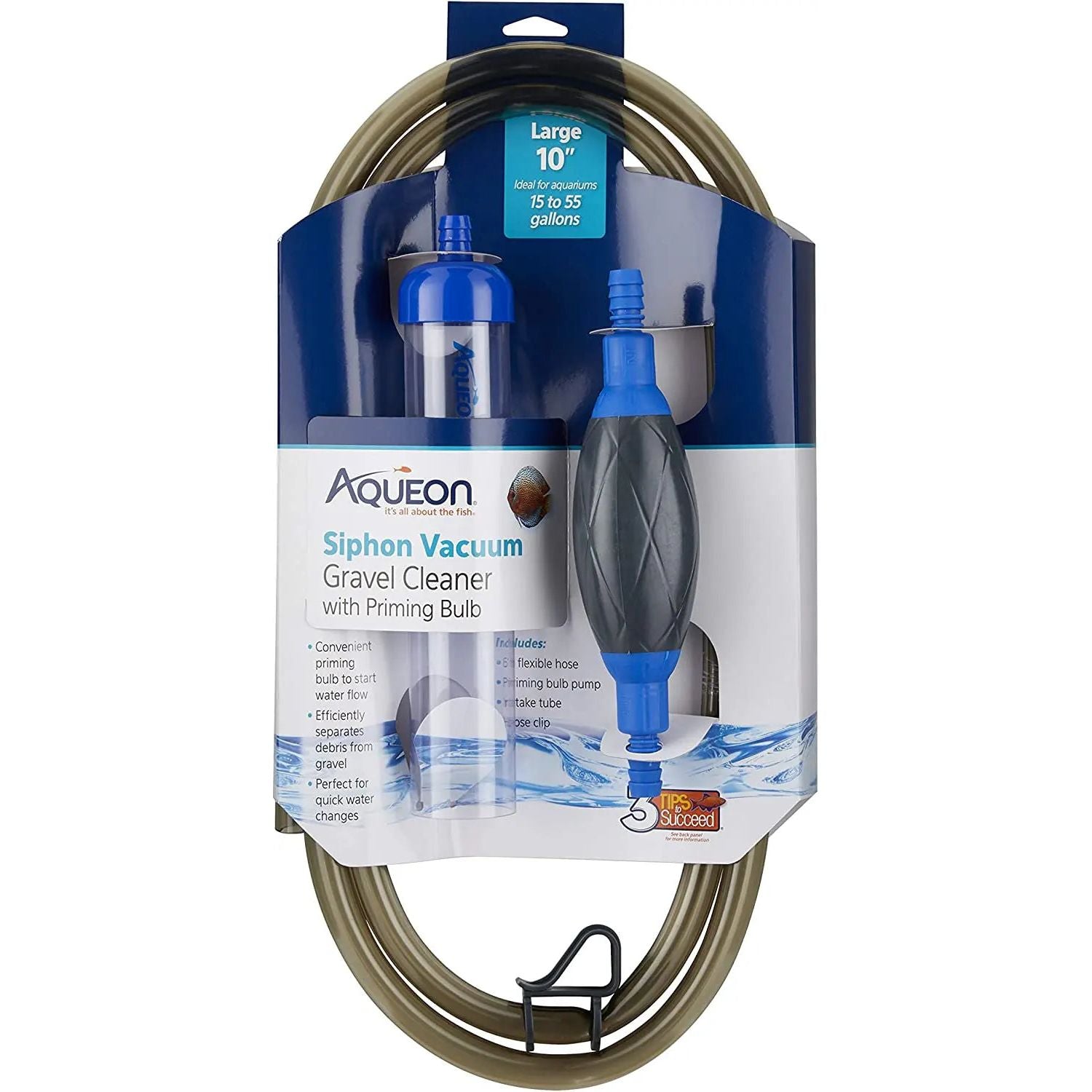
Aqueon Medium Siphon Vacuum Gravel Cleaner
Check Price on Amazon ★4.4Prevention overlaps with general substrate health: detritus buildup that feeds sulfide bacteria also feeds detritus worms, and chronic substrate neglect is one of the reasons most planted tanks fail in their first 60 days. The same habits that prevent sulfide prevent a whole family of problems.
Hydrogen Sulfide Myths Worth Retiring
Myth 1: "Any sulfide means your tank is dying." No. Tiny anaerobic pockets exist in every substrate bed. Sulfide only becomes a problem at scale.
Myth 2: "You need to boil or replace the substrate." Almost never. Section-by-section remediation fixes the bed you have. Full replacement resets your biofilter's substrate colony — its own crash risk.
Myth 3: "Undergravel filters are the only fix." Trumpet snails, plant roots, and weekly gentle stirring oxygenate the bed too. Undergravel filtration is a legitimate option, but far from required.
Myth 4: "Carpet plants are doomed over anaerobic sand." A properly managed bed with burrowers and sensible depth grows carpet plants perfectly well. Fix the bed; don't give up on the scape.
For deeper background on how planted-tank substrate actually works — the redox layering, the role of bacteria, and why living substrate is the goal — Tropica's hardscape and substrate guide is the best manufacturer-level primer, and the 2hr Aquarist substrates overview goes deeper into grain size and nutrient dynamics.
Frequently Asked Questions
Can I just smell my tank to know if I have a hydrogen sulfide problem?
Mostly yes, with one caveat: the diagnostic smell is a distinct rotten-egg/sulfur odor, not generic "fish tank" smell. Do the stir-and-sniff test — press a chopstick 2–3 cm into the substrate in a suspect spot and sniff immediately. A sharp sulfur hit confirms an anaerobic pocket. If every spot in the tank releases the stink, the whole bed needs gradual remediation.
Will anaerobic substrate kill my fish?
In normal operation, no — sulfide produced deep in the bed oxidizes harmlessly at the oxygenated surface layer. The danger is a sudden mass release, which happens when someone rips up a deep, long-neglected bed all at once. Remediate gradually in sections, keep aeration high during the work, and your livestock stays safe. Never deep-dig a sulfide-smelling bed in a single session.
How deep is too deep for aquarium sand?
For fine sand, anything beyond about 5 cm (2 inches) without burrowing snails is asking for anaerobic pockets. Medium sand (1–2 mm) tolerates 5–7 cm, and porous aquasoil can go deeper safely. What matters isn't just depth — it's depth relative to grain size, plus whether anything (snails, roots, flow) keeps oxygen moving through the bed. Check the depth table in this guide against your substrate type.
Do Malaysian trumpet snails really fix anaerobic substrate?
They're the best passive prevention in the hobby, but not a magic cure for an already-anaerobic bed. MTS burrow constantly, aerating the bed and eating trapped organics — in a healthy tank they keep the anaerobic zone permanently small. Introduce them after remediating the bed, at 1–2 per gallon, and they'll maintain the fix. They don't replace feeding discipline or weekly maintenance.
Why do plant roots rot in anaerobic substrate?
Roots need oxygen to function, and sulfide is directly toxic to root tissue. In anoxic substrate, roots suffocate while sulfide attacks them — the result is roots that rot from the tips inward even when your water-column dosing is perfect. That's why recurring root rot in the same spot is a substrate diagnosis, not a fertilizer one. Once the bed is aerated, replanted roots recover quickly.
Should I replace my substrate if it smells like rotten eggs?
Almost never. Section-by-section remediation over 2–4 weeks — gentle stirring with a running siphon, gradual depth reduction, then trumpet snails and replanting — fixes the bed you have. Full replacement restarts your substrate's bacterial colony and risks an ammonia spike from the raw new substrate. Replace only if the bed is so catastrophically deep and sulfurous that even gentle sessions release dangerous amounts.
The Bottom Line: Smell Is Information
That rotten-egg whiff isn't a death sentence — it's your tank handing you a diagnostic for free. Stir and sniff to confirm, then work the bed back into the safe zone in sections over a few weeks: siphon-assisted stirring, depth reduction, trumpet snails, and prompt replanting. Keep weekly maintenance habits after, and the anaerobic zone stays where it belongs — a thin, harmless layer deep in the bed, quietly lowering your nitrates instead of threatening your fish. Your nose found the problem; now you know exactly what to do about it.