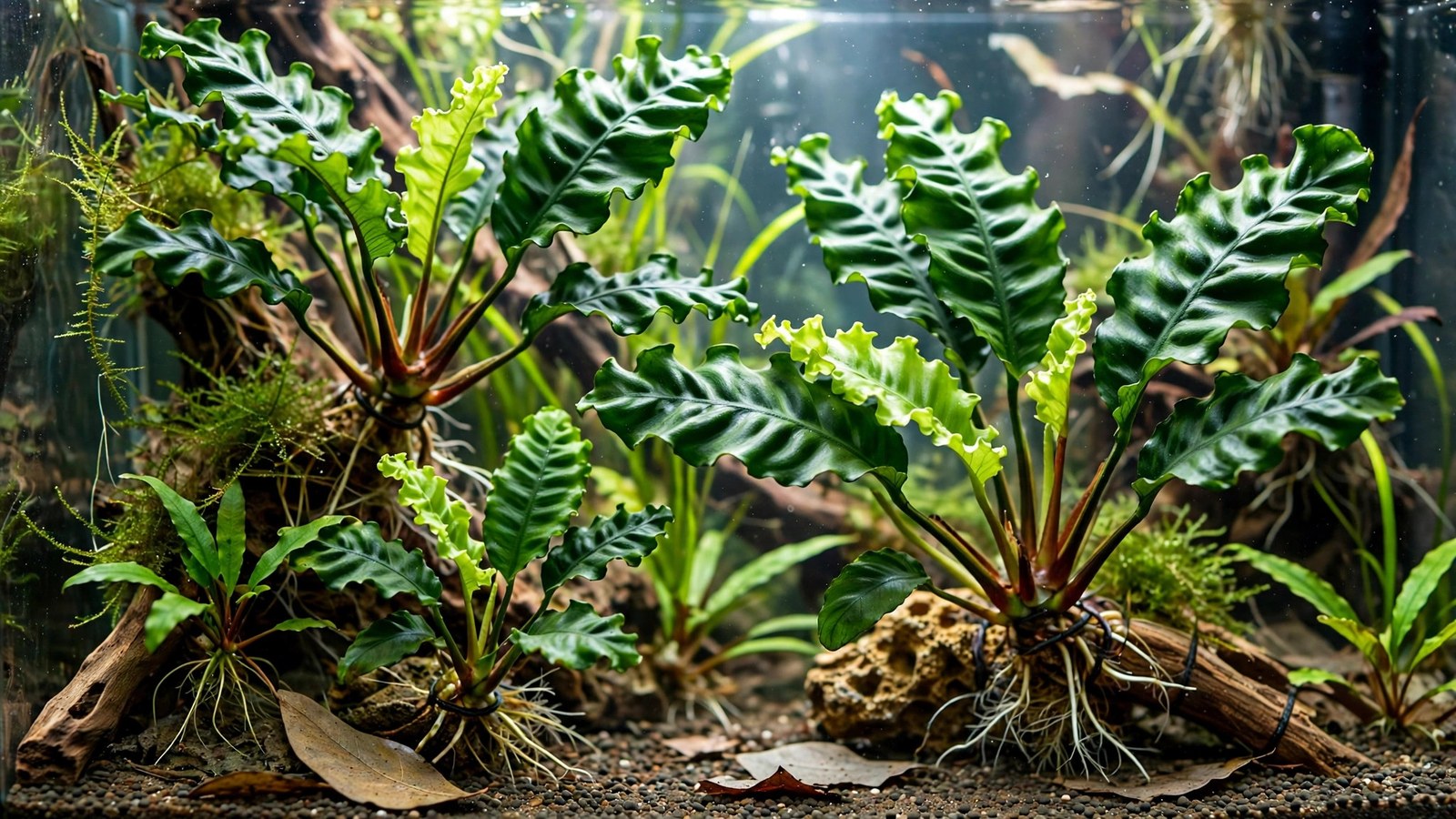
Most people meet coffeefolia the same way: a nursery pot labeled "anubias" goes into the foreground, and six months later the puckered leaves are shading everything around it. Anubias coffeefolia care is easy — it's the only anubias variety that punishes you for planting it like a nana. Learn where it belongs and it becomes one of the most rewarding plants in a low-tech tank.
Anubias Coffeefolia Care: What Makes the Ruffled Leaf Different
Every anubias shares the same skeleton — a thick horizontal rhizome, leathery leaves, and a deep preference for being ignored. Coffeefolia differs in texture and temper. Its leaves are bullate, puckered between prominent ribs like a coffee shrub's foliage (which is where the name comes from), and new leaves unfurl a striking red-brown before aging to dark green. Where a nana stays compact, coffeefolia builds a broad, upright rosette that can reach 30 cm across in a mature tank. If you've grown standard anubias before, start with our full anubias care guide for the genus basics, then come back for the variety-specific details below.
Light, Water, and CO2
Coffeefolia's care parameters are forgiving — it tolerates everything a standard anubias does. The one thing it doesn't tolerate is ambition: putting it under strong light to "speed it up" only speeds up the algae.
| Parameter | Target range |
|---|---|
| Light | Low, roughly 20–40 PAR at the leaves |
| CO2 | Not required; tolerates injected CO2 without extra growth benefit |
| Temperature | 22–28°C (72–82°F) |
| pH | 6.0–7.5 |
| Hardness | Soft to moderately hard (3–12 dGH) |
| Fertilization | Light all-in-one dosing; heavy on nothing |
Under low light it grows steadily; under medium light it holds its color but the slow leaf turnover means old leaves accumulate green spot algae over months. Shade it deliberately — tucked under a tall stem cluster, on the shadow side of a driftwood arch — and the leaves stay cleaner far longer.
Planting Coffeefolia: The Rhizome Rule
Like every anubias, coffeefolia is an epiphyte: the rhizome is meant to crawl along hard surfaces, not sit in soil. Burying it is the single most common way to kill one.
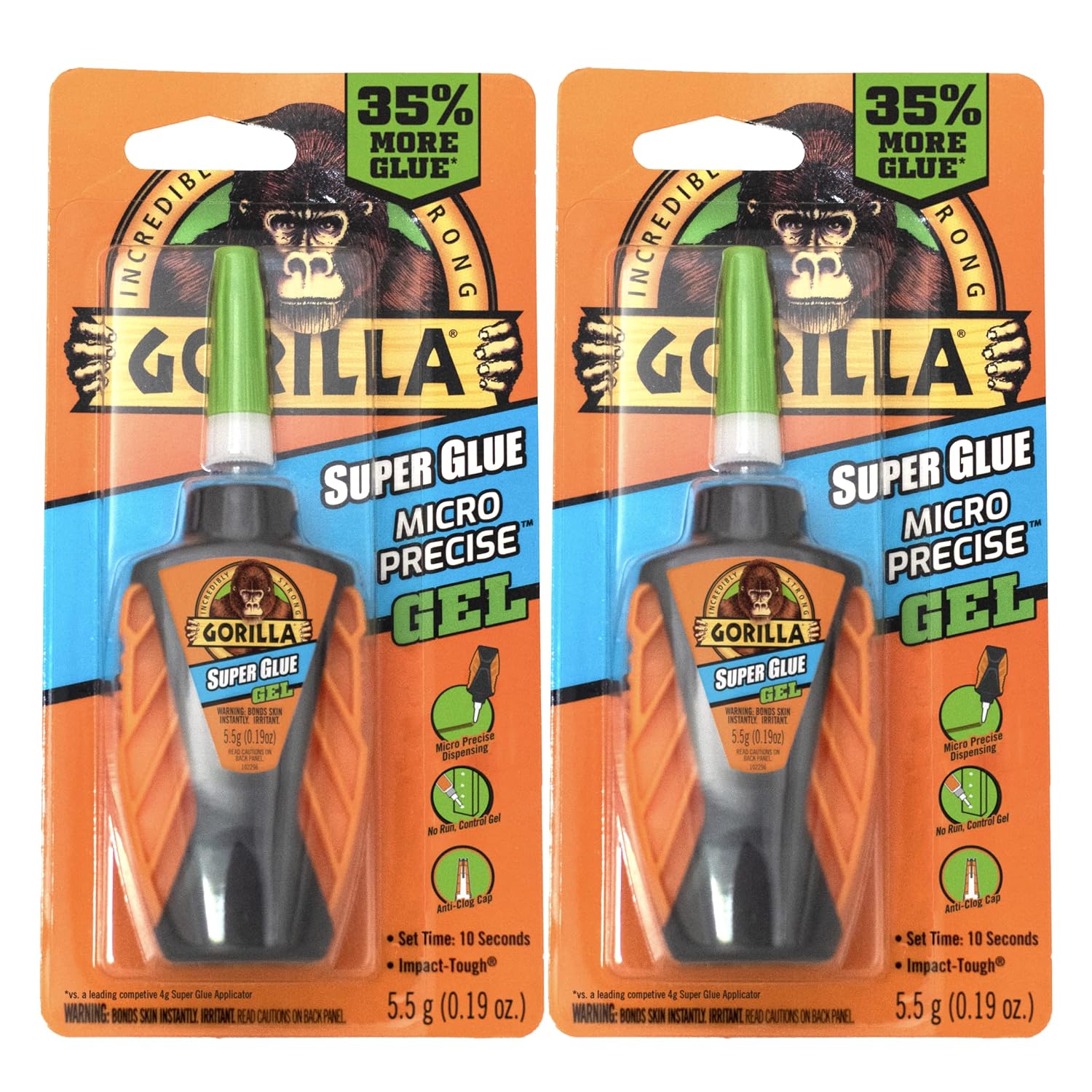
- Super glue gel: the fastest method. Dab a pea-sized drop of cyanoacrylate gel on a clean driftwood crevice, press the rhizome underside to it for 30 seconds, and let it cure. Aquarium-safe and the roots anchor within 2–3 weeks.
- Cotton thread or fishing line: tie the rhizome snugly against stone or wood. Cotton dissolves on its own; fishing line you'll cut away once roots grip.
- Wedge it: press the rhizome into a fork in driftwood or a crack in stone so the roots can reach into crevices while the rhizome stays visible.
Fine roots may dangle into the substrate or sit lightly on top of it — that's fine. Only the thick horizontal rhizome must stay exposed.
 ★4.6
Gorilla Micro Precise Super Glue Gel
Check Price on Amazon ★4.6Growth Speed and Trimming
Set your expectations honestly: coffeefolia produces a new leaf every three to five weeks under typical conditions, and each leaf lasts many months. A single plant can take a year or more to establish, but then it looks permanent — a sculptural rosette anchoring the midground.
To propagate, cut the rhizome with a clean blade so each piece keeps at least 3–4 healthy leaves. Attach the divisions the same way you planted the original. Remove aging leaves by snipping the petiole at the rhizome — never yank, which tears the rhizome. A mature rhizome over 15 cm long can be divided into two or three plants in one session.
Common Coffeefolia Problems
Nearly every coffeefolia issue traces back to light, placement, or the rhizome. The leaves themselves are tough and unpalatable to most fish, including many cichlids, so chewed leaves are rare.
| Symptom | Likely cause | Fix |
|---|---|---|
| Rhizome soft and brown | Rhizome buried or rotting | Trim to firm green tissue, reattach exposed |
| Green spot algae on old leaves | Too much light for slow leaf turnover | Move to shade; reduce photoperiod to 6–8 hours |
| Black brush algae on leaf edges | CO2 fluctuation or poor flow | Prune worst leaves; improve circulation |
| New leaves small and pale | Nutrient deficiency (rare) or old, depleted rhizome | Add a light all-in-one fertilizer weekly |
| Yellowing, translucent leaves | Emersed-to-submerged transition | Normal — trim once new submerged leaves appear |
Note the last row: most nursery pots are grown emersed (leaves in air). Expect the original leaves to yellow over the first month or two underwater while new submerged leaves grow in. Don't mistake it for failure — it's the standard anubias conversion.
Buying Coffeefolia: Tissue Culture vs Potted
You can find coffeefolia in three forms. Tissue-culture cups arrive sterile and pest-free, and often hold a surprisingly dense portion. Potted portions are larger, usually emersed-grown — strip the rock wool gently from the roots before attaching. Loose rhizomes on hardscape, sold by some retailers, skip the prep entirely.
Check the cultivar's published plant data before you buy — Tropica's cultivar entry lists it as a slow, low-light rhizomatous plant reaching 15–25 cm, which tells you everything about placement. Compare varieties side by side with anubias nana petite care (the true foreground option) and anubias pangolino care (the smallest variety) before deciding how much midground space to give coffeefolia. And if you're weighing anubias against other bulletproof epiphytes, read anubias vs java fern and bucephalandra types for beginners.
 ★4.2
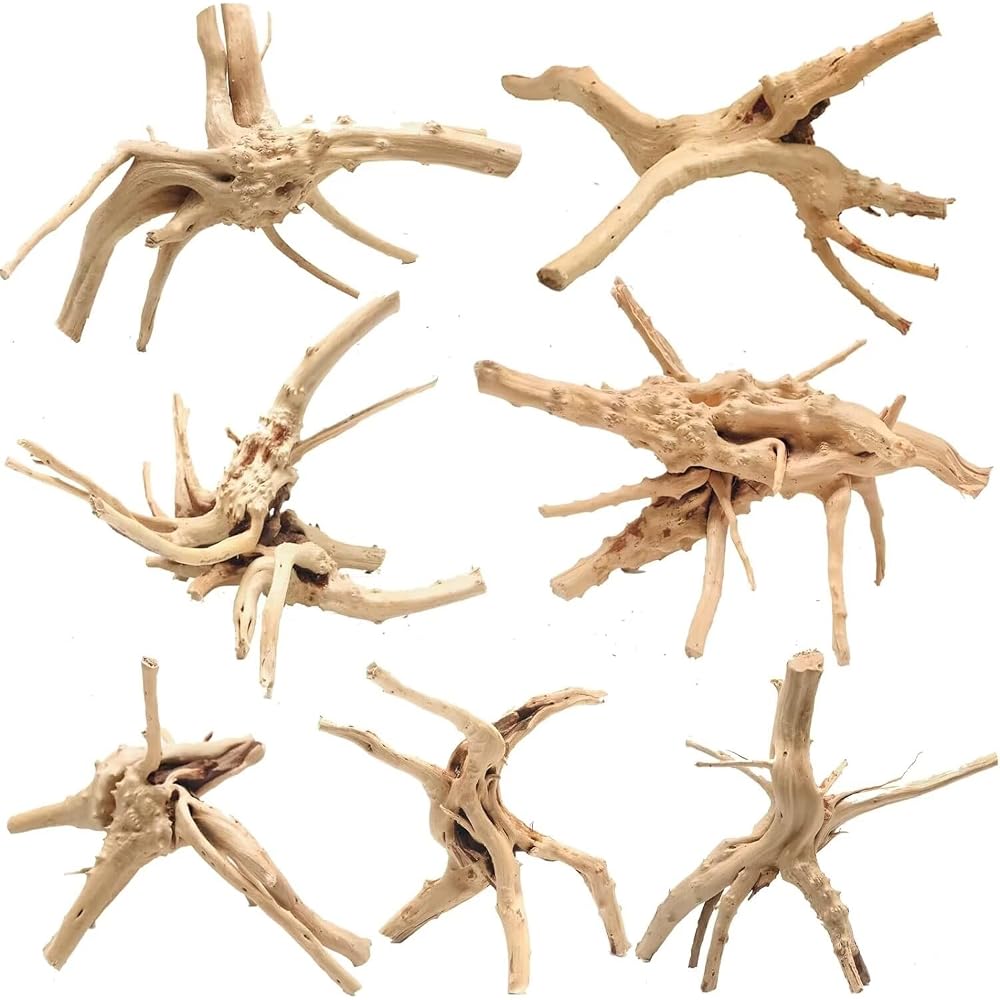
Hamiledyi Natural Spider Wood Driftwood
Check Price on Amazon ★4.2Frequently Asked Questions
How fast does anubias coffeefolia grow?
Expect roughly one new leaf every 3–5 weeks, and a year or more for a single plant to look established — leaves last for many months, which is why the plant eventually looks so substantial. More light won't meaningfully speed it up; it just invites algae onto the slow-turnover leaves.
Can I plant anubias coffeefolia in the substrate?
Only the fine roots may touch substrate — the thick rhizome must stay fully exposed above it. Buried rhizomes rot within weeks, starting as a brown, mushy section and ending with the plant collapsing leaf by leaf. Attach it to driftwood or stone with super glue gel, thread, or a wedge instead.
Why are my coffeefolia's new leaves red-brown?
That's normal and one of the variety's signatures. Fresh leaves unfurl red-brown — along with the puckered, ribbed texture, it's the reason the cultivar resembles a coffee shrub — and harden to deep green over several weeks. Only worry if new leaves stay pale or translucent, which suggests a nutrient issue rather than natural coloration.
Does anubias coffeefolia need CO2?
No. It grows well in low-tech tanks without injected CO2; adding it won't produce the growth boost you'd see in stem plants. It tolerates CO2-enriched tanks fine, but its slow metabolism simply doesn't use it quickly. Save the gas for faster growers and enjoy coffeefolia as a zero-injection centerpiece.
How do I propagate anubias coffeefolia?
Cut the rhizome with a clean blade so each section keeps at least 3–4 healthy leaves, then attach each piece to hardscape. A mature rhizome over 15 cm can yield two or three divisions in one session. Cut only into firm, green rhizome tissue — brown, soft sections are rotten and won't recover.
Give It a Year
Coffeefolia rewards patience the way few aquarium plants do. Plant it exposed on hardscape, keep the light low, and leave it alone — a year from now you'll have a deep-green rippled rosette with a red-brown leaf unfurling at the crown, ready to divide and share. For a variety that asks so little, that's a generous return.