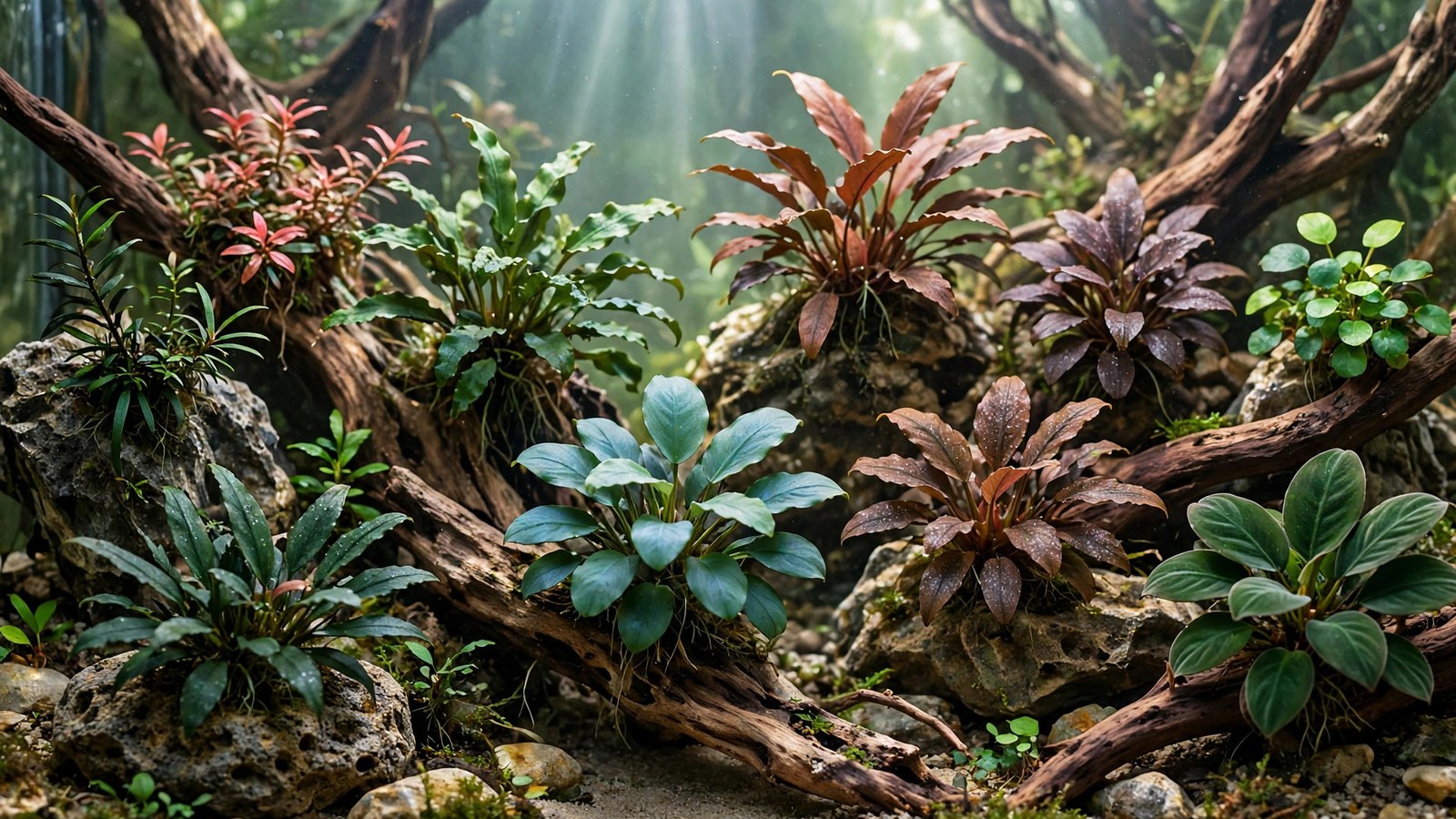
Most beginners buy their first buce the way collectors do — chasing a rare-sounding name like Kedagang or Brownie Phantom, then watching half the leaves melt within a month. The truth is simpler: the types of bucephalandra you should start with are not the flashiest ones. They are the varieties that forgive an unstable tank while they convert from nursery-grown emersed leaves to your water.
All of these are slow-growing rhizome epiphytes — a lifestyle they share with their fellow rhizome epiphyte, anubias — and each variety behaves differently in your tank's light, flow, and hardscape. This guide ranks ten beginner-appropriate varieties by actual beginner-friendliness and matches each to the tank spot where it looks best. If you want the day-to-day routine behind the ranking, read our full buce care guide first. Every variety below also suits the calm, low-tech setups we describe in our plants for a fish-first tank guide.
The 10 Types of Bucephalandra Worth Buying First
The ranking below weighs three things: how badly a variety melts when parameters wobble, how much light it needs to hold its color, and how slowly it grows. Size decides the tank spot. Treat the table as your shortlist; the notes after it explain the thinking behind the top picks and the one to avoid until your second year.
| # | Variety | Leaf size | Light | CO2 | Difficulty | Best tank spot |
|---|---|---|---|---|---|---|
| 1 | 'Wavy Green' | 2 × 5 cm | Low | Optional | Easy | Foreground–midground on rock |
| 2 | 'Brownie Phantom' | 1–2 cm | Low–medium | Optional | Easy | Foreground, shaded crevices |
| 3 | 'Theia Green' | 2–3 cm | Low–medium | Optional | Easy | Midground on driftwood |
| 4 | 'Wavy Green' (tissue-culture form — same variety) | 2 × 5 cm | Low | Optional | Easy | Foreground–midground on rock |
| 5 | 'Skeleton King' | 5–8 cm | Low–medium | Optional | Easy–medium | Background, on tall wood |
| 6 | 'Kedagang' | 3–4 cm | Medium | Recommended | Medium | Midground focal point |
| 7 | 'Copper Leaf' | 2–3 cm | Medium | Recommended | Medium | Midground, brighter edge |
| 8 | 'Red' | 2–3 cm | Medium–high | Recommended | Medium | Midground wood centerpiece |
| 9 | 'Godzilla' | 5–10 cm | Low–medium | Optional | Medium | Background wood, large tanks |
| 10 | 'Mini Coin' | ~1 cm | Medium | Recommended | Medium–hard | Foreground detail, shaded |
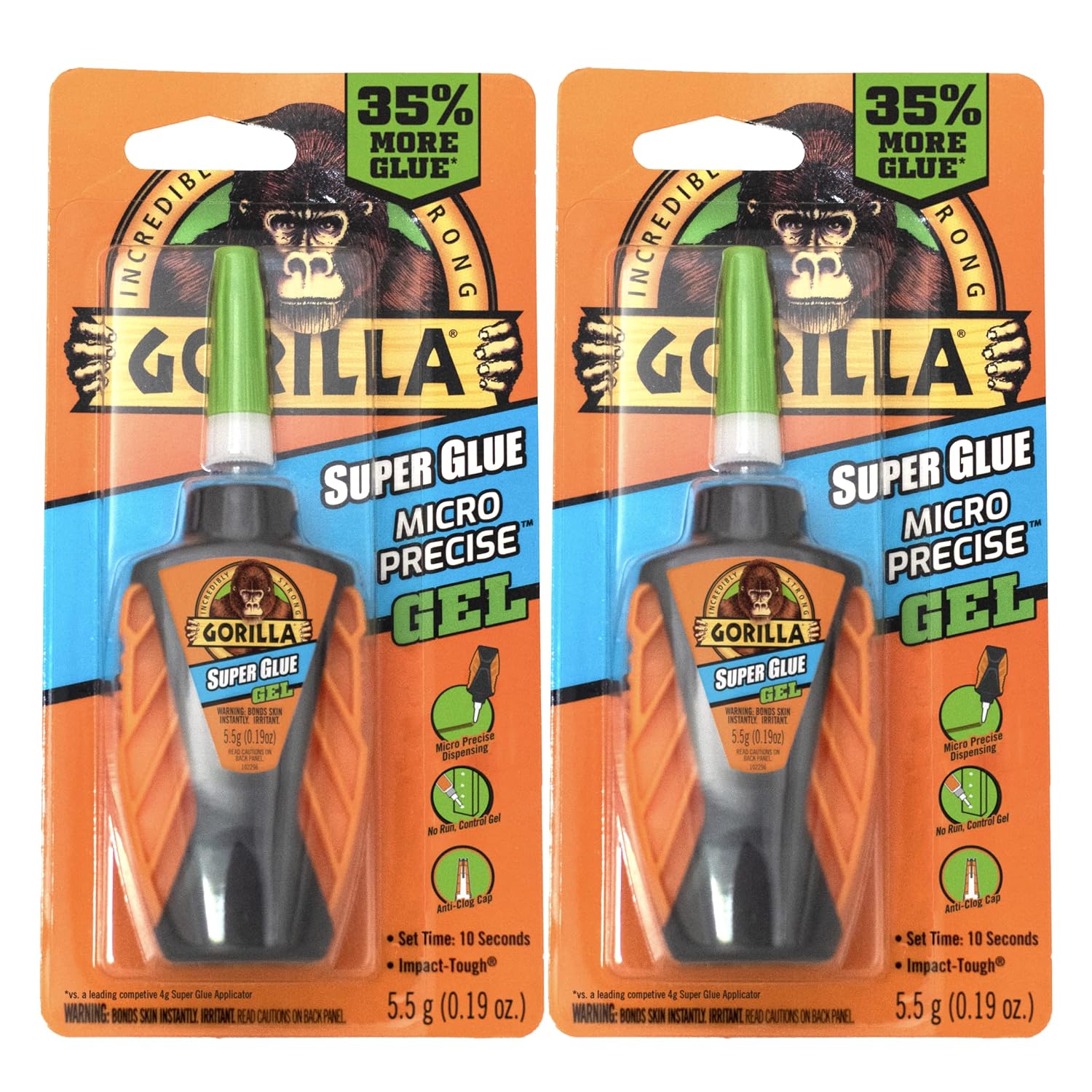
Buy your first rhizomes as a bucephalandra variety packs rather than single named cultivars — a dead rhizome stings less at variety-pack prices, and it is the fastest way to learn which leaf shapes you like. You will also want aquarium-safe super glue gel (cyanoacrylate gel is the standard way to mount rhizomes) and a piece of spider wood or lava rock to mount them on.
'Wavy Green' earns the top slot because mass-farmed stock converts fast. 'Brownie Phantom' follows in a smaller package: its dark, near-black leaves hold up in the shaded spots beginners accidentally create, and it stays under 3 cm tall. 'Theia Green' is the quiet workhorse of the group — plain green, cheap, and almost impossible to kill once attached. If you are choosing between these and the pricier option, read our bucephalandra vs anubias comparison to calibrate what buce actually gives you for the extra money.
Matching Your Buce to the Tank Spot
Foreground spots are the lowest-light zones in most tanks, shaded by the midground plants and often the first place algae appears. That is exactly why 'Wavy Green' and 'Brownie Phantom' belong there: they stay compact, tolerate shade, and their dark leaves hide the slow growth. Wedge the rhizome into a crack in the rockwork rather than gluing it flat — the crevice protects it from grazing fish and traps detritus the roots can use.
Midground driftwood is where buce earns its reputation. Varieties like 'Kedagang', 'Copper Leaf', and 'Red' develop their best color — the red and purple tones collectors pay for — in medium light with steady CO2. Without CO2 they still live; they just stay green. Do not buy these three for color until your tank has stable CO2 and a fertilization routine, because color is a nutrient and light story, not a variety guarantee.
'Skeleton King' and 'Godzilla' grow thumb-sized leaves that look lost in a nano tank, but on the vertical wood of a 60 cm or larger tank they form dense clumps that make a scape look years old. Give them flow: larger leaves collect dust-like algae in stagnant corners, and a gentle current keeps them clean without any work from you.
 ★4.6
Gorilla Micro Precise Super Glue Gel
Check Price on Amazon ★4.6Frequently Asked Questions
Which type of bucephalandra is best for a complete beginner?
'Wavy Green' — specifically the tissue-cultured form, which arrives pest-free and adapts quickly. It tolerates low light, needs no CO2, and keeps a firm rhizome through the melt that defeats most first attempts. Mount one rhizome on a shaded rock, leave it alone for two months, and you will know whether your tank suits buce at all.
Why do some types of bucephalandra cost ten times more than others?
Price follows rarity of the mother colony and color, not difficulty. Wild-collected names like 'Kedagang' and 'Brownie Phantom' come from limited Borneo river sites, while 'Wavy Green' is mass-farmed. A $40 rhizome does not grow faster or forgive more than a $8 one — for a beginner, the cheap, farmed variety is usually the better plant.
Do I need CO2 for the beginner types of bucephalandra?
No. The top five varieties on this list grow in low-tech tanks with liquid fertilizer alone. CO2 speeds up the slow growth and deepens red and purple coloration in the medium-difficulty types, but it is never a survival requirement for the easy ones. Stable, algae-free low-tech conditions beat unstable CO2 every time.
How do I mount buce without damaging the rhizome?
Place a pea-sized dot of cyanoacrylate gel on dry driftwood or rock, press the underside of the rhizome to it for ten seconds, and let it set before filling the tank. Glue the rhizome only, never the roots, and never thread it so tightly the rhizome is crushed. Roots anchor themselves within a few weeks; suppliers like Buce Plant's Green Wavy listing include clear mounting guidance for first-timers.
Can I grow these types of bucephalandra in a nano tank with shrimp?
Yes — buce and shrimp are an excellent pairing. The slow leaves give shrimp grazing surfaces without shedding debris, and 'Brownie Phantom' fits 20-liter tanks perfectly. Shrimp tanks are usually low-tech, so stick to the easy tier on the table. Avoid copper-based medications and fertilizers in any shrimp tank, since buce and shrimp both suffer from copper exposure.
Start With One Spot, Master It
Pick a single shaded rock or one driftwood branch and fill only that with two or three easy-tier rhizomes — 'Wavy Green' up front, 'Theia Green' or anubias nana petite beside it for contrast. Watch them for three months. If the rhizomes stay firm and new leaves unfurl, your tank is ready for the colored varieties; if they melt, the tank needs stability work before any buce will thrive. The varieties do not change — your tank does.