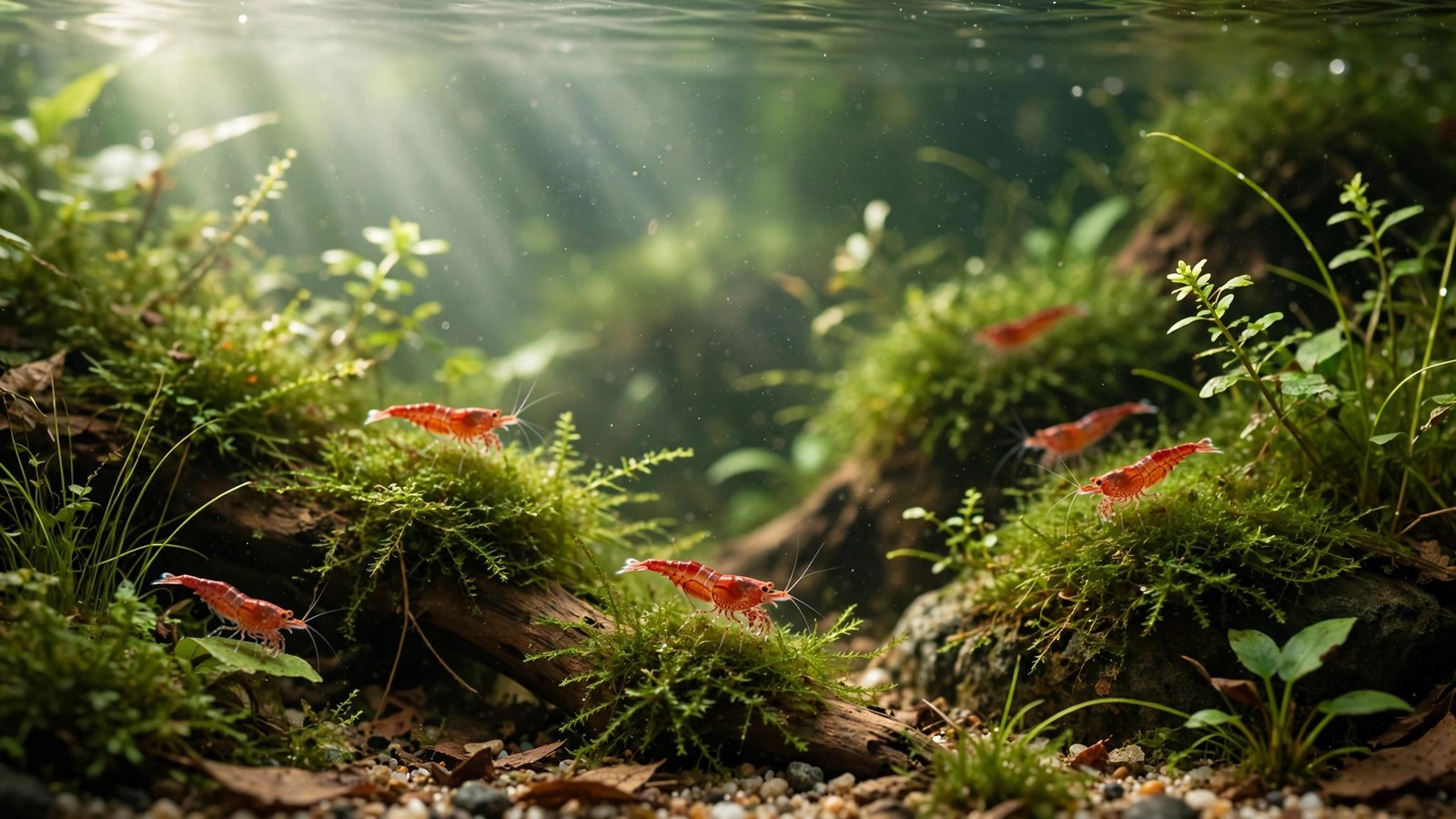
You dosed fertilizer to save your plants, and the next morning your shrimp are motionless on the substrate. Copper is the usual suspect — and this is where copper aquarium shrimp toxicity gets confusing. Copper is an essential plant micronutrient; without it, plants cannot photosynthesize properly. But free copper ions in the water column can also kill every shrimp in the tank. Here are the danger thresholds, the four real sources, which products are genuinely safe, and the emergency playbook if things go wrong.
Copper Aquarium Shrimp Toxicity — Understanding the Paradox
Copper is the hobby's strangest double agent. Plants need it as an enzyme cofactor for photosynthesis — deficiency shows as twisted new growth and pale leaf tips. But shrimp carry oxygen with a copper-based protein (hemocyanin), so dissolved copper attacks their gill function and osmoregulation at concentrations fish would not notice.
So two groups of aquarists talk past each other: one panics at "copper" on a fertilizer label, the other doses a copper ich cure and loses the colony overnight. Both miss the point: form and concentration matter, not presence.
The Four Real Sources of Copper in a Planted Tank
Almost every copper scare traces back to one of four sources. Ranked by actual risk:
| Source | Form of copper | Risk to shrimp | What to do |
|---|---|---|---|
| Copper-based medications (ich, snail, algae treatments) | Free copper sulphate | Severe — the #1 accidental shrimp killer | Never dose in a shrimp tank; treat fish separately |
| Tap water through copper pipes | Free dissolved copper | Moderate, worse in older homes | Run the tap 2–5 minutes; test the first draw |
| Rocks, ore, or decor containing copper | Leaching minerals | Moderate but easy to prevent | Skip metallic-looking rock; avoid brass fittings |
| Liquid fertilizers and micro mixes | Chelated copper (trace) | Low at label doses | Use a shrimp-safe formula, dosed as directed |
Fertilizers sit at the bottom of that table. Most micro mixes include copper at trace levels — often under 0.001% — because plants need it; Easy Green lists 0.00% and GLA Nectar under 0.001%. For a rundown of safe bottles, see our guide to Shrimp-Safe Aquarium Fertilizers before you buy.
Why Medications Are the Real Killer
Copper sulphate has been the workhorse of ich and snail treatments for decades — and a therapeutic fish dose is far above the shrimp danger line. Worse, it adsorbs onto substrate and leaches back for weeks. The honest rule: if shrimp live there, copper-based medication never goes in. Treat affected fish in a hospital tank, or use the heat-and-salt, copper-free approaches AquariumScience describes. (If shrimp are dying for unclear reasons, rule out the other suspects with our shrimp dying in a planted tank troubleshooting guide.)
Chelated vs. Free Copper: The Form That Matters
Copper bound to a chelator (EDTA, DTPA, gluconate) sits inside a molecular cage. Plants can still access it, but it never floats free as the cupric ion that attacks shrimp gills — the Aquarium Wiki puts chelated copper at roughly 1% the toxicity of free copper.
That fact dissolves most fertilizer fear: a bottle listing under 0.001% chelated copper delivers levels thousands of times below the danger line — the difference between the trace iron in a multivitamin and swallowing a nail.
"My Fertilizer Lists Copper — Will My Shrimp Die?" Myth vs. Fact
- Myth: Any copper on the label means the fertilizer is unsafe for shrimp.
Fact: Copper is an essential micronutrient, and shrimp-safe fertilizers include it in chelated trace amounts. Marketed as shrimp-safe and dosed as directed, copper is not your risk — see do aquarium plants really need fertilizer to decide whether to dose at all. - Myth: "Copper-free" fertilizers grow plants just as well.
Fact: Truly zero-copper formulas can slowly starve plants of a micronutrient they need, causing twisted new leaves. A tiny chelated trace is the healthier middle ground — which is why most of the best liquid fertilizers for aquarium plants include copper at safe levels. - Myth: Shrimp died after I started fertilizing, so copper did it.
Fact: Correlation is not causation. Overdosing, parameter swings from the fertilizer load, or a coincident medication are more common culprits than chelated trace copper.
Keeping Copper at Zero: The Short Checklist
- Audit your tap water. In homes with copper plumbing — especially pre-1970s pipes — test the first draw of the morning and run the tap 2–5 minutes before collecting water. Soft or acidic water dissolves pipe copper faster.
- Read every medication label. Copper sulphate, cupric citrate, or chelated copper as an active ingredient means it stays out of the shrimp tank — including algae and snail "cures" sold as plant-safe. Apply the same habit to liquid carbon — check whether Flourish Excel is safe for shrimp before dosing.
- Quarantine rocks and decor. Avoid metallic-looking rock and ornaments with brass or bronze fittings.
- Use a chelating water conditioner at every water change — it binds heavy metals before they accumulate.
- Keep Poly-Filter on hand. It turns green as it absorbs copper. Activated carbon is slow and limited for copper — do not rely on it alone.
Emergency Playbook: Suspected Copper Poisoning
Sudden lethargy, loss of appetite, erratic darting, or cluster deaths — especially after a medication dose or water change — mean a copper emergency:
- Do a large water change now. 30–50% with temperature-matched, dechlorinated water — the single biggest lever you have.
- Dose a chelating water conditioner. Binds free copper ions fast; dose for the full tank volume.
- Add Poly-Filter to the filter. It pulls residual copper over 24–48 hours and turns green to show it is working.
- Retest before relaxing. Retest after 24 hours and hold new shrimp out until readings stay near zero for days. After medication, repeated changes plus substrate vacuuming beats one heroic change.
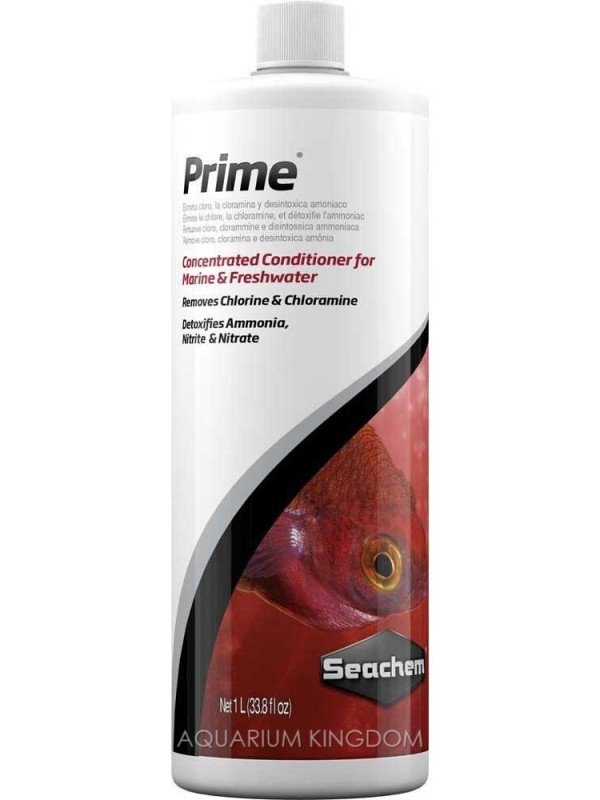 ★4.8
Seachem Prime Fresh and Saltwater Conditioner
Check Price on Amazon ★4.8Frequently Asked Questions
Is the copper in liquid fertilizer really safe for cherry shrimp?
Yes, at label doses. Fertilizer copper is chelated and present in trace amounts — typically under 0.001% — thousands of times below the ~0.03 mg/L danger line. Start any new fertilizer at half dose for two weeks and watch the colony.
How do I test for copper in my aquarium water?
Use a liquid reagent copper test kit with a 0–0.25 ppm scale — strips cannot resolve the range that matters. Test your tap water's first draw and tank water before dosing. Most kits measure total copper, including harmless chelated copper.
Can I ever use copper medication in a tank that had shrimp?
Only with extreme caution. Copper adsorbs onto substrate, wood, and decor and leaches back for weeks. Treat fish in a separate hospital tank instead. Before reintroducing shrimp, run Poly-Filter for several weeks and confirm copper reads zero on consecutive days.
Does activated carbon remove copper?
Only slowly and partially — it is not a reliable copper remover. Use Poly-Filter, which turns green as it absorbs copper, or a chelating water conditioner that binds free copper ions immediately. In an emergency, a large water change beats any filter media.
Do shrimp need any copper in their diet?
Yes, in tiny amounts — shrimp use copper in hemocyanin, their oxygen-carrying blood protein. Quality shrimp foods already contain trace copper sulphate at safe dietary levels, which is entirely different from dissolved free copper in the water column, the form that actually causes poisoning.
Copper will always be both things at once: an essential plant micronutrient and a shrimp's deadliest contaminant. Ask not "is copper safe?" but "how much, in what form, from where?"