Buy a pot labeled “Eriocaulon sp. Japan” and you might take home any one of several different plants. The name is a trade label, not a settled species identity — and the real eriocaulon sp japan, the “Japan Needle Leaf,” is a high-tech plant. It needs injected CO2, medium-high light, soft acidic water, and a nutrient-rich substrate. Buy it for a low-tech tank and it will stall and melt within weeks.
Get the right plant and give it what it wants, and the reward is a dense, grass-like tuft of 30–40 cm needles in two neat rows along a creeping rhizome — nothing like the sea-urchin rosette of its cousin (see our Eriocaulon Cinereum Care guide). Below: how to identify the needle-leaf form, set up for it honestly, and multiply it by division.
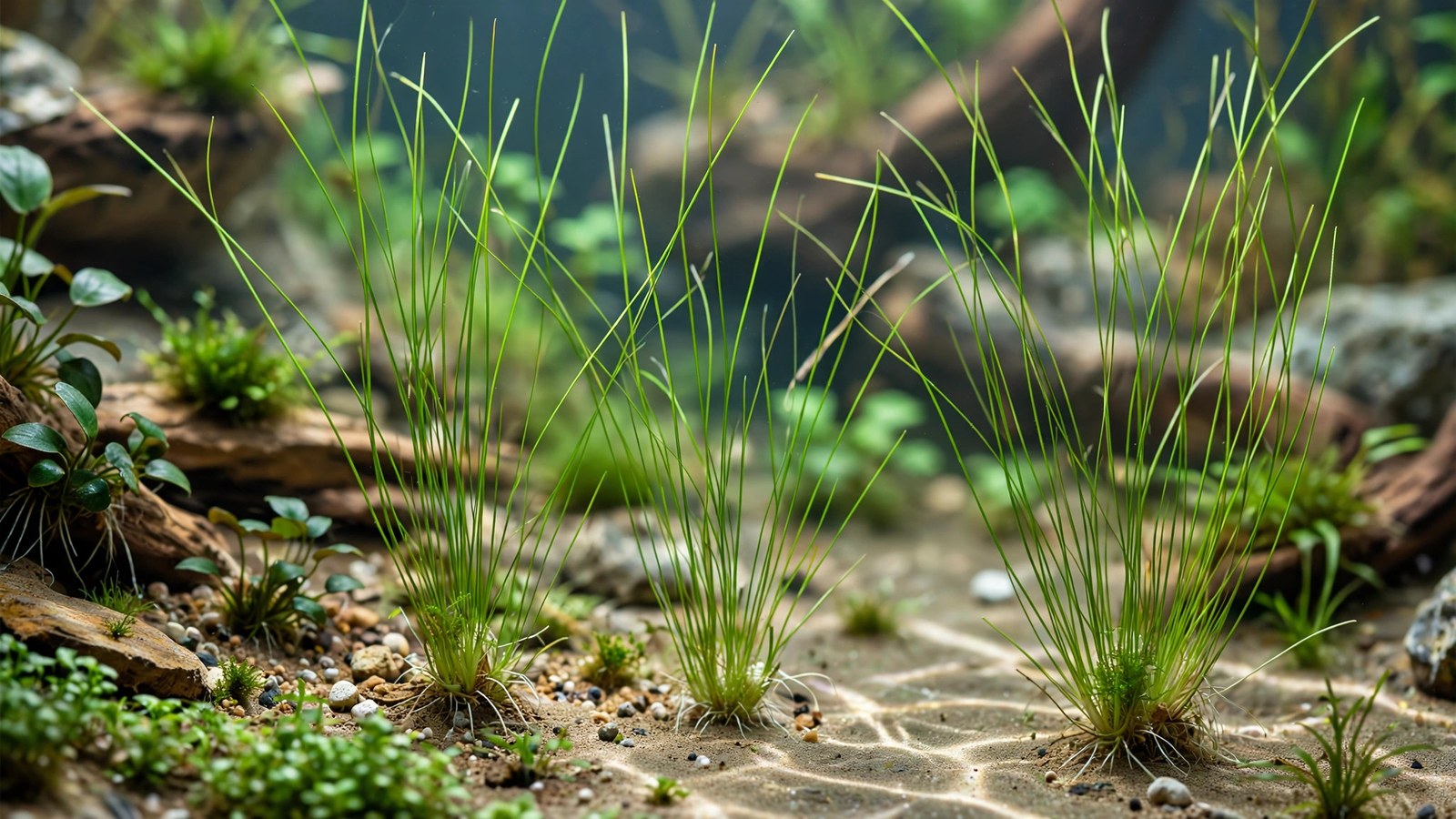
What Eriocaulon sp Japan Actually Is: The Distichous Needle-Leaf Tuft
First, the honesty: this plant is almost certainly not from Japan. Its species identity is still unsettled, and the trade form most resembles Eriocaulon species from rocky, fast-flowing riverbeds in India. The “Japan” name came from the Asian market where it entered the hobby — and several variants have circulated under it since.
Confirm the needle-leaf form by the leaves: flexible, dark green, smooth, 30–40 cm long but only 1.5 mm wide, growing distichously — in two rows along a short, hard, creeping rhizome that branches into a dense tuft 20–40 cm tall. A low, spiky ball radiating from a single crown is a different species — most likely E. cinereum.
| Trait | Japan Needle Leaf | E. cinereum |
|---|---|---|
| Growth form | Grass-like tuft of needle leaves | Spiky sea-urchin rosette |
| Leaf arrangement | Two rows along a rhizome | Radial from a single crown |
| Height | 20–40 cm (midground/background) | 3–7 cm (foreground) |
| Light | Medium-high | High (60–100+ PAR) |
| Water | Soft preferred; tolerates medium-hard | Soft acidic, hates swings |
| Spreading habit | No runners; rhizome branches in place | Daughter rosettes at the crown |
| Grows as epiphyte | Yes — attaches to rock and wood | No — plant in substrate |
| Flowering | Submerged heads grow free plantlets | Snip stalks to avoid die-off |
The needle-leaf form is the more forgiving of the two: it accepts medium-hard water, grows as an epiphyte, and never needs flower stalks snipped. Mix them up and one of them gets the wrong light from day one.
Light and CO2: The Two Load-Bearing Pillars
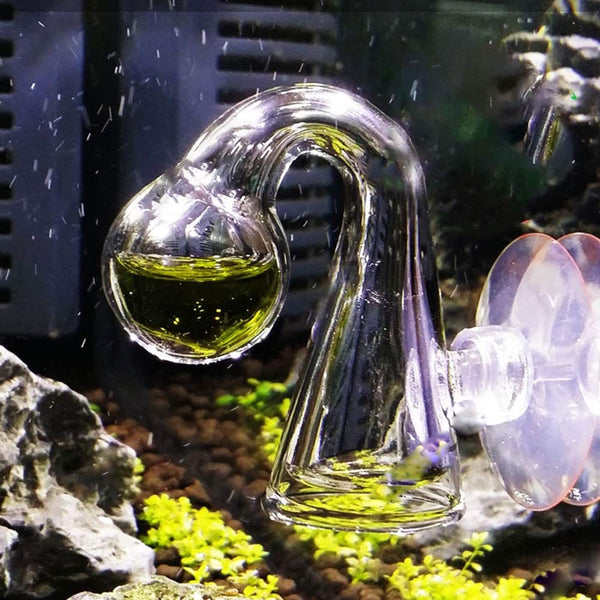
Injected CO2 is a requirement, not an upgrade: 20–30 ppm, drop checker lime-green by lights-on. Without it the long needles collect algae faster than new growth can outpace them, and liquid carbon is no substitute. If you have never run pressurized gas, work through our complete CO2 planted tank walkthrough before the plant goes in.
Light is medium-high: roughly 40–80 PAR at the leaves, 8–10 hour photoperiod. Too little and the tuft stalls and stretches pale; too much without enough CO2 invites algae. Tune conservatively: start near 15–20 ppm, watch livestock for labored breathing for a full week, then nudge upward. Fish and shrimp outrank the plant.
 ★4.6
FZONE Aquatic CO2 Glass Drop Checker Kit
Check Price on Amazon ★4.6Water, Substrate, and Fertilization
Soft, slightly acidic water is the preference: pH 5.0–7.0 (sweet spot 5.5–6.5), carbonate hardness 0–12 dKH, temperature 21–26°C. Unusually for an Eriocaulon, this one tolerates medium-hard water. Still avoid sudden parameter swings; match replacement water on water-change day.
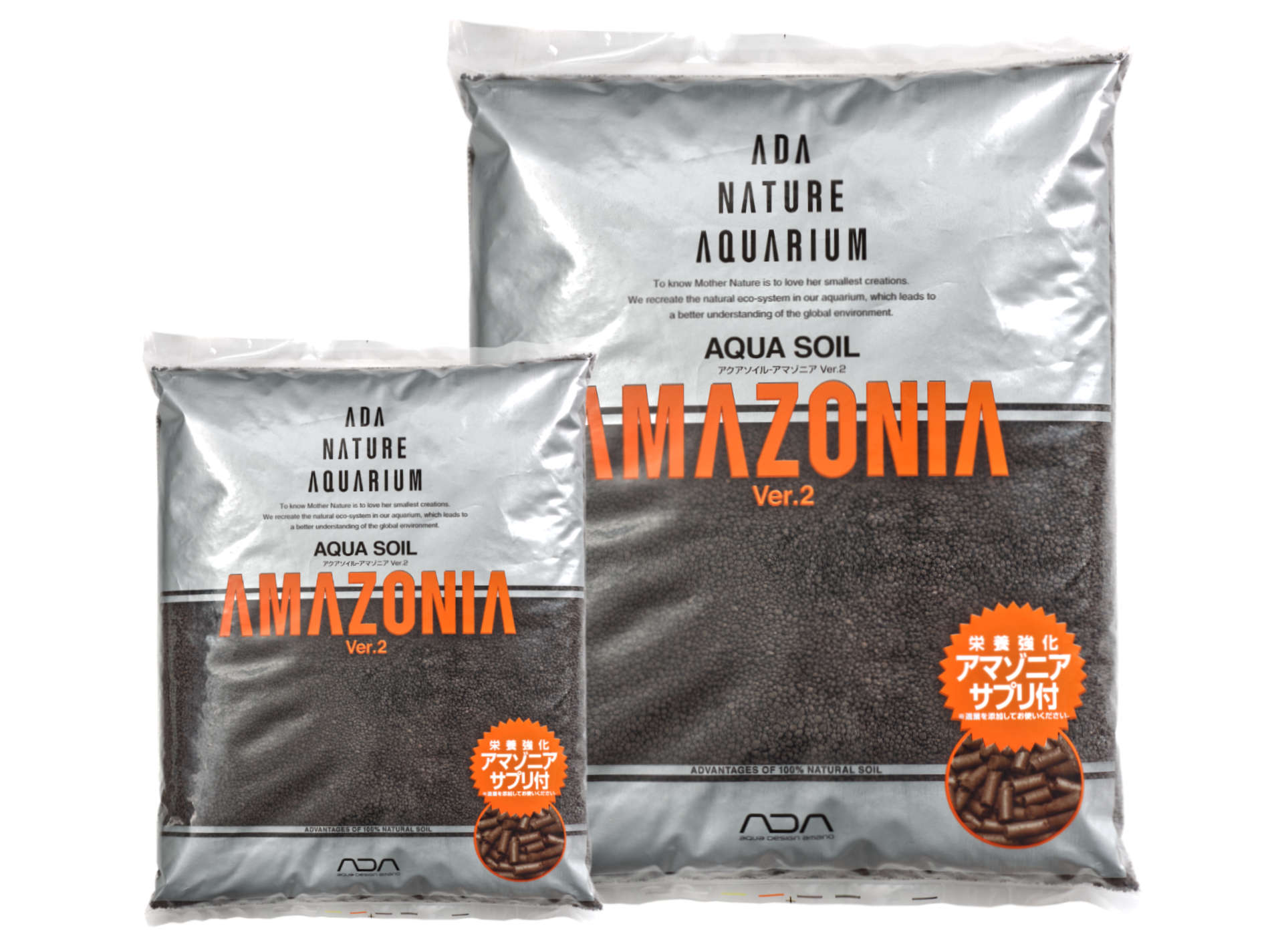
The substrate does the heavy lifting. Nutrient-rich, acidic aquasoil is best: it feeds the rhizome for months and buffers pH downward. Inert sand works with root tabs (one per division, refreshed every 6–8 weeks), but coarse gravel without tabs compacts around the rhizome and starves it — expect chronic stunting. Dose the water column lean to start, following the published Eriocaulon sp. “Japan Needle Leaf” datasheet.
 ★4.7
ADA Aqua Soil Amazonia Ver 2
Check Price on Amazon ★4.7Planting and Propagation: Tissue Culture to Rhizome Division
Buy a tissue-culture cup when you can: pest-free, snail-free, shrimp-safe, and already in submerged form, so no emersed-to-submerged melt to survive. The naming confusion is real enough that suppliers document it on their tissue-culture listings — compare the cup’s leaves against the needle-leaf description above before planting day.
Rinse off the gel and divide the branching rhizome into 3–5 portions with a clean blade, each with leaves and rhizome tissue. Set them 3–4 cm apart with tweezers, rhizome just buried, leaf bases above the surface — buried leaf bases rot. Or perch portions on rock or wood as epiphytes and let them self-attach.
Established tufts branch freely, so propagation is mostly division: lift, split, replant every few months. Bonus method: the flower stalks stay shorter than the leaves, and submerged flower heads grow adventitious plantlets — snip them once they show a few leaves and plant like divisions.
One quirk: young leaves sometimes get stuck as they sprout and emerge wrinkled. Pull the deformed leaves off gently with tweezers; straight leaves normally follow. It looks alarming but it is mechanical, not a deficiency.
Aquascaping With the Japan Needle Leaf
Think of it as the controlled alternative to runner grasses: it reads like Vallisneria nana but forms no runners — the tuft thickens exactly where planted, so it can sit beside a delicate carpet without invading. Pair with dwarf hairgrass, Hemianthus callitrichoides, or Monte Carlo for a fine-lawn-to-tall-tuft gradient. At 20–40 cm it anchors midground or background; build the easy carpet first (see our foreground carpeting plants for beginners), then earn the tuft behind it.
Frequently Asked Questions
Is Eriocaulon sp. Japan the same as Eriocaulon cinereum?
No — same genus, different species. The Japan Needle Leaf is a grass-like tuft of 30–40 cm needle leaves in two rows on a creeping rhizome; E. cinereum is a low sea-urchin rosette only 3–7 cm tall. The needle-leaf form is more forgiving too: it tolerates medium-hard water and grows as an epiphyte.
Can I grow Eriocaulon sp. Japan without injected CO2?
Honestly, no. Suppliers rate CO2 at 20–30 ppm as a requirement; without it growth stalls and the needles collect algae faster than the plant can outgrow them. Liquid carbon is not a substitute at these light levels. Choose a low-tech grass like Vallisneria instead and return to this plant when you upgrade to pressurized CO2.
Is it actually from Japan?
Probably not. The species identity is still unsettled, and the trade form most resembles Eriocaulon species from rocky, fast-flowing riverbeds in India. “Japan” was the Asian-market label it entered the hobby under — identify the needle-leaf form by its leaves, not the label.
How do I propagate it?
Divide the creeping rhizome every few months: cut established tufts into portions with leaves attached and replant 3–4 cm apart. A free second method: submerged flower heads grow adventitious plantlets — snip them once they show a few leaves and plant like divisions. It never makes runners.
Why are the new leaves wrinkled or stuck?
A known mechanical quirk: young leaves occasionally get stuck sprouting and emerge wrinkled. Not a deficiency — pull the deformed leaves away with tweezers and straight leaves normally follow. Only investigate nutrients if every new leaf stays deformed for weeks.
Eriocaulon sp. ‘Japan’ rewards honesty: give it CO2, confirm the needle-leaf form, plant it in rich substrate — and it repays you with a flowing tuft that never invades its neighbors. Earn it with the setup, then divide it for years.