The Estimative Index (EI) is Tom Barr's famously simple fertilizing method: dose a slight excess of everything plants need, then reset with a big weekly water change. No test kits, no deficiency detective work. Enter your tank size for the exact per-dose amounts in grams and teaspoons, plus the weekly schedule.
Your EI dose (per dose, 3× per week)
Weekly schedule
| Day | Dose | What |
|---|---|---|
| Monday | Macros | KNO3 + KH2PO4 |
| Tuesday | Micros | Trace mix |
| Wednesday | Macros | KNO3 + KH2PO4 |
| Thursday | Micros | Trace mix |
| Friday | Macros | KNO3 + KH2PO4 |
| Saturday | Micros | Trace mix |
| Sunday | Rest day | 50% water change, no dosing |
EI works because the weekly 50% water change resets nutrient levels before excess can accumulate. Skipping water changes while dosing EI is the most common way beginners turn this method into an algae farm.
Teaspoon amounts above are rounded approximations — powder density varies by brand and grind. A $10 gram scale measuring the gram amounts is far more accurate and pays for itself in the first bag of dry ferts.
How the numbers are calculated
- Reference dose (20 gallons): KNO3 ½ tsp (≈ 3.0 g), KH2PO4 ⅛ tsp (≈ 0.7 g), trace mix ⅛ tsp (≈ 0.6 g) — dosed 3× per week. These are the standard EI reference amounts (the same defaults used by the widely referenced EI dosing calculators).
- Scaling is linear with tank volume: a 10-gallon tank gets half, a 40-gallon tank gets double.
- Spoon conversions use typical dry-fertilizer densities: KNO3 ≈ 6.0 g/tsp, KH2PO4 ≈ 5.6 g/tsp, trace mix (CSM+B style) ≈ 4.8 g/tsp.
- Why macros and micros alternate days: iron in trace mixes can react with phosphate when dosed together at high concentration. Separating them by a day avoids the issue entirely.
Methodology sources: Tom Barr's Estimative Index method and the standard EI dosing references — read the full explanation in our EI dosing guide for beginners.
Frequently asked questions
What is EI dosing, in plain English?
The Estimative Index gives your plants a little more of every nutrient than they can use, then wipes the slate clean with a 50% water change each week. Because nutrients are never the limiting factor, deficiencies disappear — and you never need to test the water to chase them.
Can I overdose my tank with EI?
With the water change in place, no — that is the entire design of the method. The danger is dosing EI amounts while skipping water changes, which lets nutrients climb week after week. Follow the schedule as written and the reset keeps everything in range.
Do I really need a gram scale?
Not strictly, but it is the single best $10 upgrade for EI. Teaspoon volumes of dry fertilizer vary 10–20% between brands and how settled the powder is. Grams are grams. Use the teaspoon column as a backup, not the primary measurement.
Why dose macros and micros on different days?
Iron and other trace metals can bind with phosphate when mixed at high concentration, forming compounds plants cannot absorb. Dosing them on alternate days keeps them apart long enough to avoid the reaction.
Is EI safe for fish and shrimp?
Yes, when dosed as directed with the weekly water change. The nutrient levels involved are far below anything toxic to livestock — EI has been used in shrimp breeding tanks for decades. As always, dose dry powders away from curious fish and let them dissolve in flow.
These calculators provide starting guidelines based on standard planted-aquarium practices, not veterinary or professional advice. Every tank is different — observe your plants and livestock, adjust gradually, and when in doubt, start lower and go slow.
Recommended dosing supplies
For the schedule above: an EI-ready liquid dosing set and a test kit to sanity-check your water.
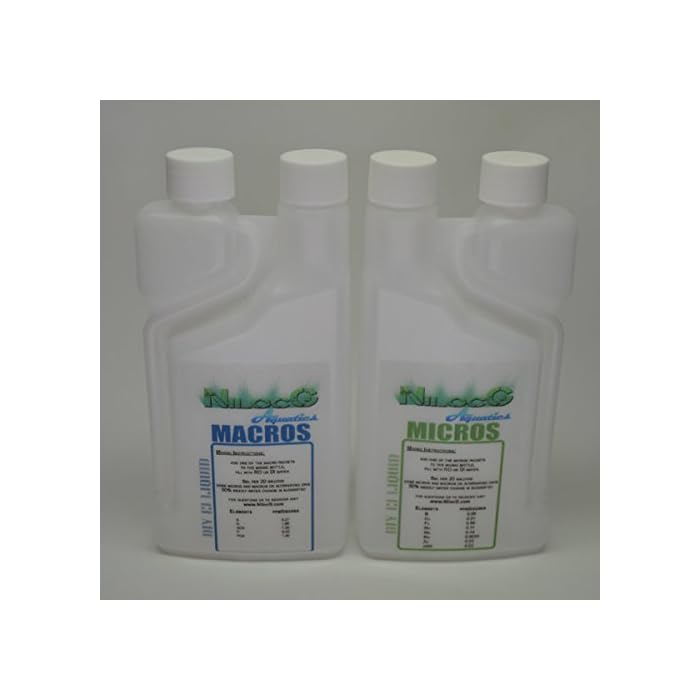
NilocG Liquid Refill Set (Macros + Micros, EI dosing)
Check Price on Amazon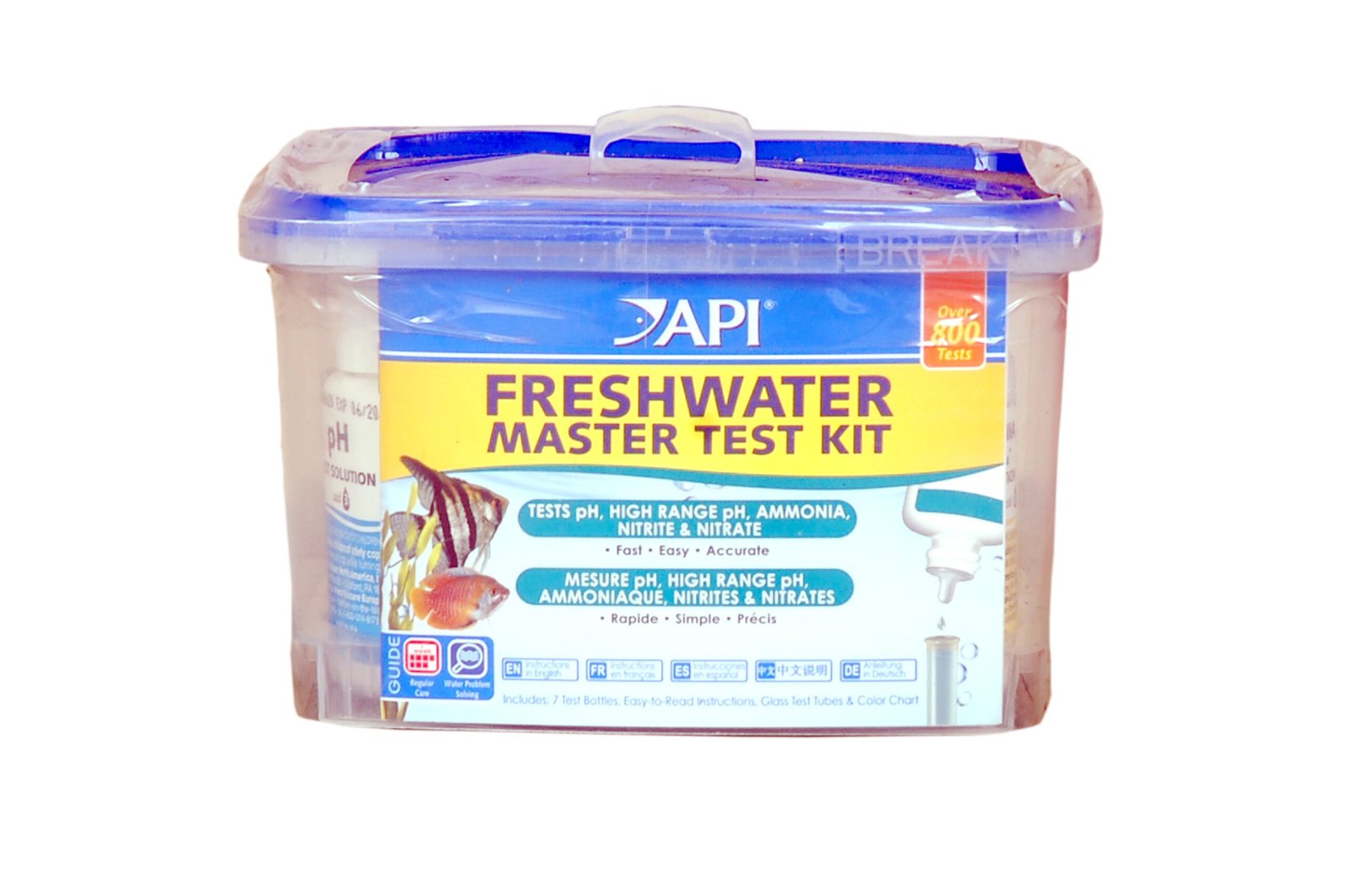
API Freshwater Master Test Kit
Check Price on Amazon