Before buying substrate, a heater, or a filter, you need one number: your tank's true volume. Enter the inside dimensions for gallons and liters, plus the substrate, heater, and filter sizing that match.
Your tank, sized up
Glass thickness steals roughly half an inch per side. Measuring inside dimensions keeps the volume honest — and for planted tanks, remember the net water volume (after substrate, hardscape, and not filling to the brim) runs about 85–90% of the gross number above.
How the numbers are calculated
- Volume: length × width × height ÷ 231 = US gallons (231 cubic inches per gallon); gallons × 3.78541 = liters.
- Substrate (2″ bed): bed volume in cubic feet × ≈100 lb/ft³ — the typical bulk density of gravel. Aquasoils are much lighter (roughly half), so halve the number for aquasoil.
- Heater: the 3–5 watts-per-gallon rule. The recommendation rounds up to the nearest standard heater size (25/50/75/100/150/200/300 W).
- Filter: 4–6× tank volume per hour turnover — the standard planted-tank target, balancing filtration with gentle flow plants prefer.
Frequently asked questions
Is this my gross or net water volume?
Gross — the full box. Your real water volume is lower once substrate, rocks, driftwood, and the unfilled top inch are accounted for, typically 85–90% of gross. Use the gross number for equipment sizing (manufacturers rate for it) and the net number for medication or fertilizer math.
How deep should my substrate be?
Two inches is the sweet spot for most planted tanks — deep enough to anchor stems and root feeders, shallow enough to avoid anaerobic dead zones. Slope it deeper (3–4 inches) at the back for aquascaping depth, never deeper than about 4 inches without a specific reason.
Should I buy a bigger or smaller heater than recommended?
Buy the recommended size, not bigger. An oversized heater that sticks on can cook a tank fast; a correctly sized one fails safer. In cold rooms, two smaller heaters (one each end) beat one big one for even heat and redundancy.
Is more filtration always better?
No — for planted tanks, flow matters more than raw turnover. Above ~6x per hour, strong currents stress fish, uproot new stems, and drive off the CO2 you are paying to inject. Aim for 4–6x with the outflow spread gently across the tank.
Do I need all of this for a low-tech tank?
The volume and substrate math applies to every tank. Heater and filter rules are the same too — low-tech changes the light, CO2, and fertilizer approach, not the hardware sizing. Start with easy plants while the tank matures.
These calculators provide starting guidelines based on standard planted-aquarium practices, not veterinary or professional advice. Every tank is different — observe your plants and livestock, adjust gradually, and when in doubt, start lower and go slow.
Recommended substrate & gear
The basics the calculator estimates: planted-tank substrate and a reliable filter.
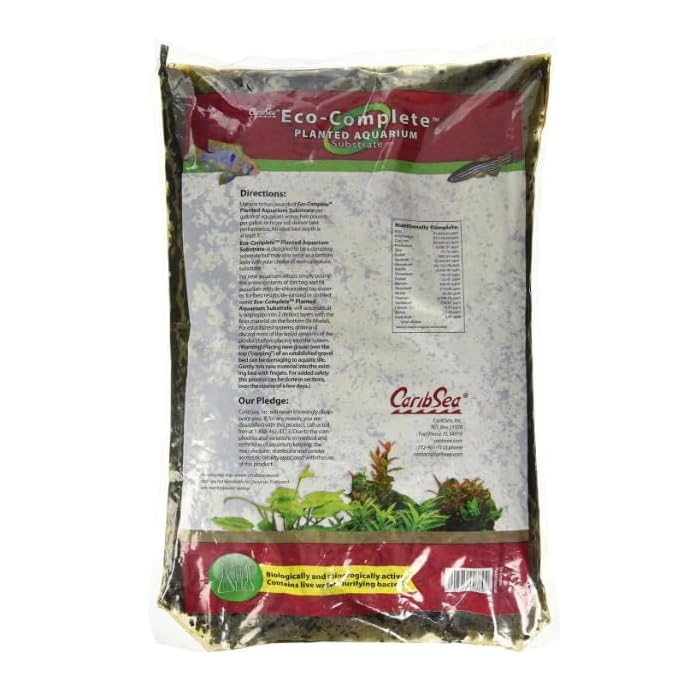
CaribSea Eco-Complete Planted Aquarium Substrate (20 lb)
Check Price on Amazon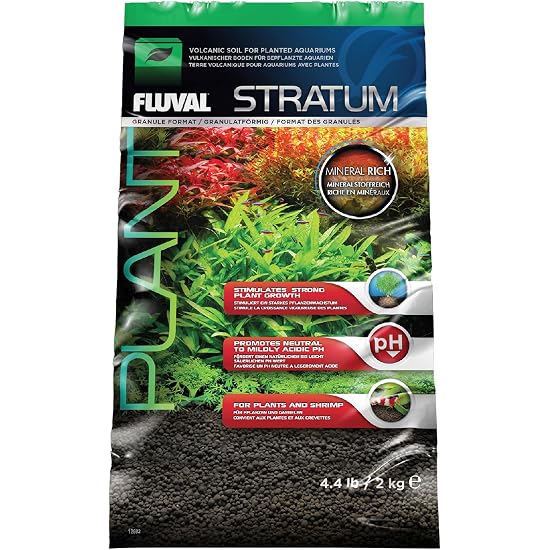
Fluval Plant and Shrimp Stratum (4.4 lb)
Check Price on Amazon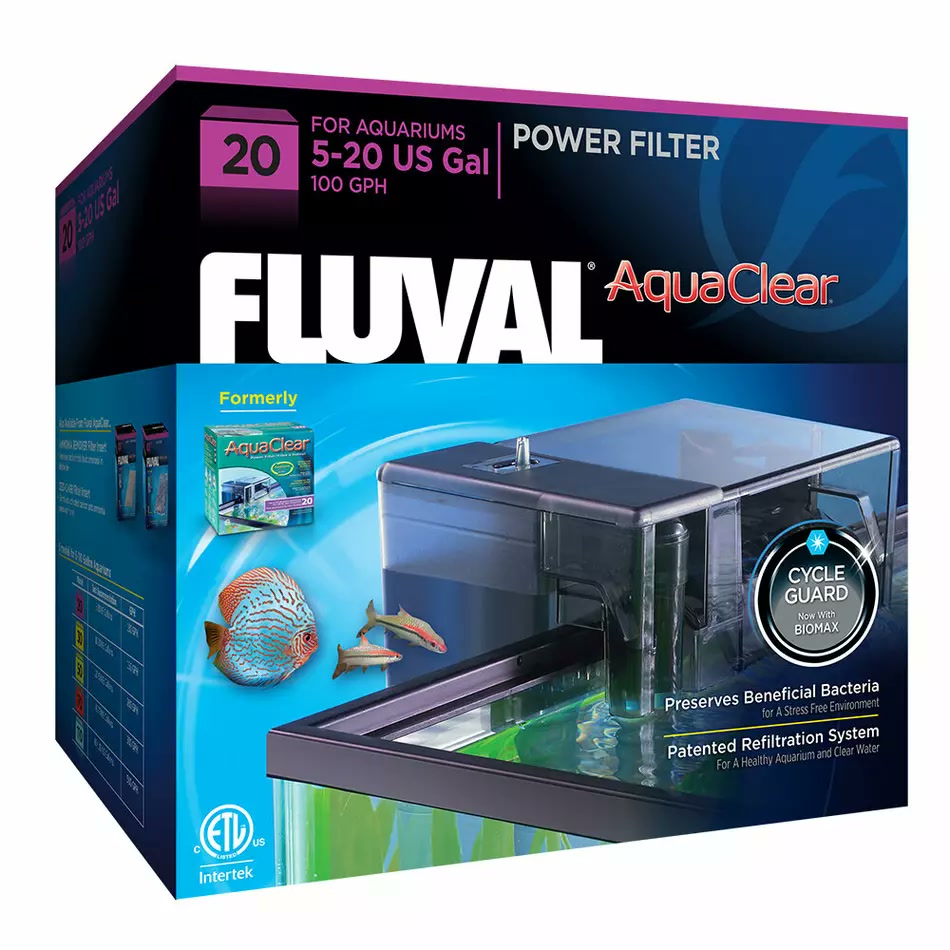
AquaClear 20 Power Filter
Check Price on Amazon