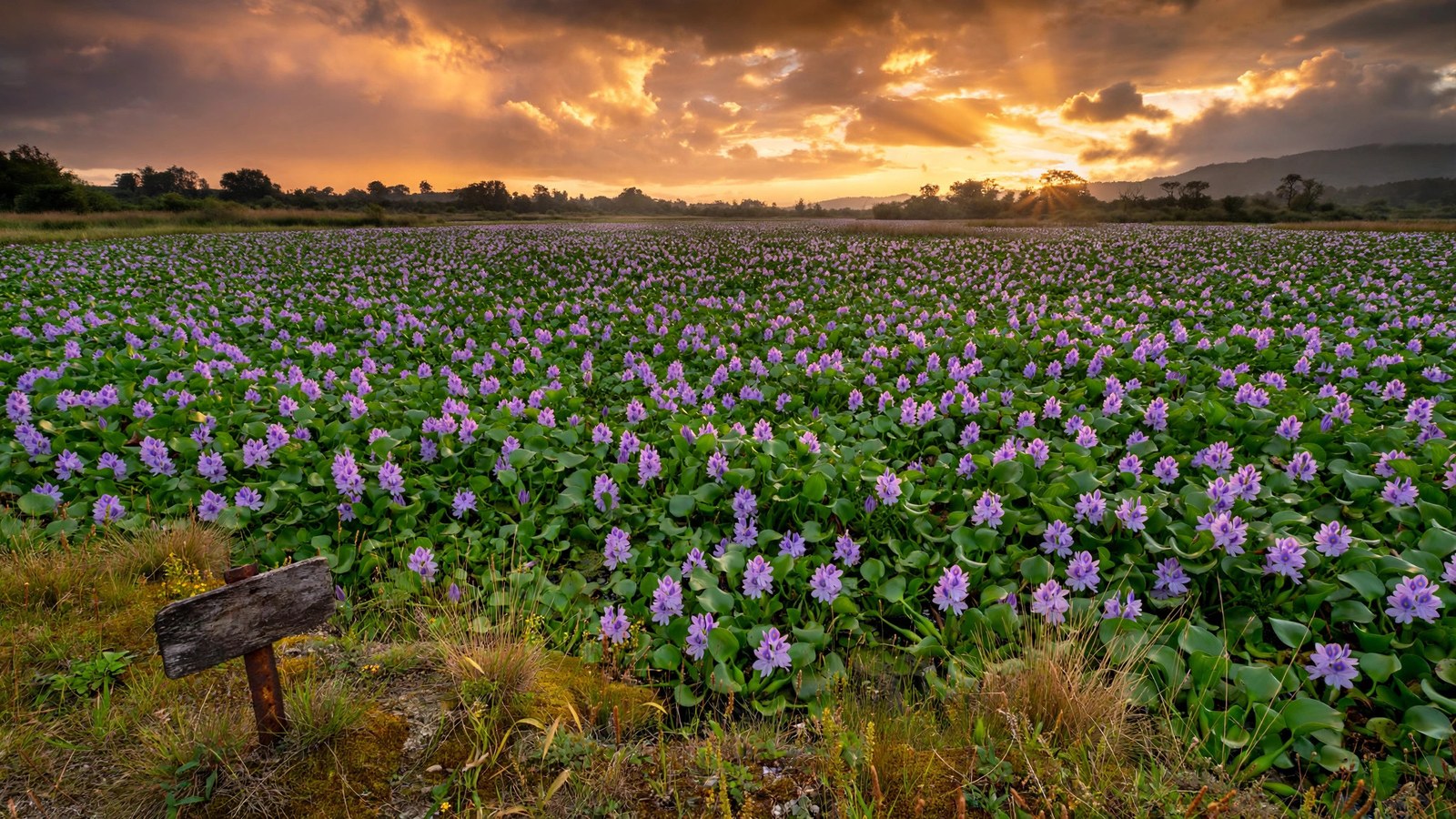
That fast-growing stem plant you trim every weekend and toss in the trash? In warm-water canals, ponds, and lakes, it can become an ecological wrecking ball. Many invasive aquarium plants start as harmless hobby favorites — pretty floaters, vigorous oxygenators, hardy survivors — and end up clogging waterways, starving fish of oxygen, and costing governments millions to remove. They escape through carelessness, not malice: trimmings in storm drains, tank water near a stream, floodwaters carrying backyard-pond fragments. Some reproduce from a piece no bigger than a fingernail. This guide profiles nine aquarium species you must never release, explains why each is dangerous outdoors, and gives you a responsible-keeper playbook for disposal, buying, and trimming.
Why aquarium plants escape (and why fragments matter)
Most invasions begin not with someone deliberately planting a canal, but with ordinary moments that feel harmless at the time. Understanding these escape routes is the first step to closing them.
The four classic escape routes
- Trimming and tank clean-outs dumped outside. A bucket of water-change water and snipped stems poured onto a garden bed can drain into a ditch or storm drain. Many aquatic plants regenerate from tiny nodes — that "dead-looking" cutting is alive.
- Backyard ponds overflowing. A pond that floods in a storm can deliver plants straight into local waterways. Anyone with an outdoor setup should check which aquarium plants for outdoor ponds are safe for their climate before stocking.
- Hitchhikers on plants, snails, and décor. New purchases can carry seeds, turions (winter buds), duckweed, or fragments tangled among the leaves. Quarantine and careful rinsing catch most of these.
- "Rescue" releases. Rehoming a plant that outgrew your tank by setting it "free" in a lake is the single worst thing a hobbyist can do.
Why a fragment is enough
Submerged plants like hydrilla and Eurasian watermilfoil evolved to survive choppy, grazed habitats. Their defense is extreme fragmentation tolerance: a stem node carrying one growth point can root and colonize. Floaters are worse — giant salvinia can double its biomass in under a week. "Just a little" is never just a little.
Species profiles: 9 aquarium plants you must never release
Each profile below covers why hobbyists love the plant and the damage it does outdoors; restriction status for all nine is summarized in the table further down. Check your local regulations before acquiring any of these — lists differ sharply even between neighboring states.
1. Water hyacinth (Eichhornia crassipes)
Why hobbyists keep it: One of the prettiest floaters in the trade — glossy rosettes, lavender flowers, and spectacular nutrient uptake that starves algae. It thrives in outdoor tubs, which is exactly where trouble starts.
Why it is a problem outdoors: Water hyacinth is widely regarded as the world's worst aquatic weed. Mats can cover entire lakes, blocking sunlight, crashing dissolved oxygen as the mass rots, and shutting down boat traffic, fishing, and irrigation intakes.
2. Giant salvinia (Salvinia molesta)
Why hobbyists keep it: A favorite floating plant for bettas and shrimp tanks — a velvety carpet fish love sheltering under that shades out algae and multiplies with almost zero effort. Many keepers already know floating aquarium plants for beginners; giant salvinia is the turbocharged version of all of them.
Giant salvinia is on the USDA APHIS federal noxious weed list (as part of the Salvinia auriculata complex). It blankets water surfaces completely, blocking light to submerged natives, deoxygenating water, and choking irrigation and flood-control systems.
3. Hydrilla (Hydrilla verticillata)
Why hobbyists keep it: Hydrilla is a brilliant oxygenator — fast-growing, tolerant of low light and cool water, and nearly indestructible in a tank. That indestructibility is the red flag.
Why it is a problem outdoors: A federally listed noxious weed in the US, hydrilla forms dense underwater forests that entangle boat propellers and block drainage canals. It reproduces by stem fragments, tubers in the sediment, and turions that survive for years — pulling it up once achieves nothing.
4. Indian hygrophila / Miramar weed (Hygrophila polysperma)
Why hobbyists keep it: An easy, adaptable stem plant — low-light tolerant, fast-growing, and one of the classic beginner plants. In 2026, a variegated 'White' cultivar has made it trendy again in the trade.
Why it is a problem outdoors: It is a federal noxious weed in the US. In warm southern waters it forms dense monocultures that crowd out native vegetation and alter habitat for fish and invertebrates. Do not buy the trendy 'White' cultivar to dodge the rules — it is the same regulated species, and buying it keeps a prohibited plant circulating in the hobby. Plenty of safe alternatives exist among the easiest aquarium plants that grow without CO2.
5. Ambulia (Limnophila sessiliflora)
Ambulia's feathery, bright-green foliage is a staple of Dutch-style aquascapes — fast-growing and quick to fill background space.
Why it is a problem outdoors: Federally listed as a noxious weed in the US. In warm canals and ponds it forms thick mats, impeding water flow and displacing native plants. Like hydrilla, it spreads readily from fragments.
6. Parrot's feather (Myriophyllum aquaticum)
Why hobbyists keep it: Its delicate, feathery emergent foliage looks fantastic above the waterline in open-top tanks and ponds. It tolerates a wide temperature range, including cool water — which widens its invasion window.
Parrot's feather forms dense mats over the water surface and shallow margins, shading out natives and altering nutrient dynamics. It survives frosts that kill purely tropical species, so it can persist far further north.
7. Water lettuce (Pistia stratiotes)
Why hobbyists keep it: A classic rosette floater — velvety leaves, long dangling roots that fry hide in, and strong nitrate uptake. It reproduces by runners and can double out of a tank quickly.
Why it is a problem outdoors: Water lettuce mats shade out submerged vegetation, reduce oxygen, and block waterways. It has caused severe infestations across the tropics and subtropics, from the southern US to Africa and Asia.
8. Eurasian watermilfoil (Myriophyllum spicatum)
Why hobbyists keep it: A fine-textured oxygenator sold for coldwater tanks and ponds — exceptionally hardy and tolerant of low light and cool temperatures.
Why it is a problem outdoors: The archetypal northern invader — unlike tropical species that freeze out, Eurasian watermilfoil thrives across temperate North America and Europe. It forms dense underwater canopies that shade natives, clog boat traffic, and degrade spawning habitat. It spreads aggressively from stem fragments, including pieces carried on boat trailers.
9. Yellow floating heart (Nymphoides peltata)
Why hobbyists keep it: Pretty floating leaves with bright yellow flowers — an attractive pond plant that looks like a miniature water lily.
Why it is a problem outdoors: It spreads by stolons, rhizomes, and seeds, forming dense floating mats that block light and outcompete native pondweeds. Once its rhizome network is in the sediment, removal is laborious.
Species at a glance: restriction status and risk
Regulation varies by jurisdiction — a plant legal in one state can be a felony-level problem in another. This table summarizes federal US status and key restrictions; always verify your own state or country list.
| Species | USDA APHIS federal noxious weed? | Also restricted in | Invasion risk outdoors |
|---|---|---|---|
| Water hyacinth (Eichhornia crassipes) | No (high-risk watch species) | Florida (noxic), many countries | Extreme — world's worst aquatic weed |
| Giant salvinia (Salvinia molesta) | Yes (S. auriculata complex) | Southern US states, many countries | Extreme — doubles in days |
| Hydrilla (Hydrilla verticillata) | Yes | Numerous US states | Extreme — tubers survive years |
| Indian hygrophila (Hygrophila polysperma) | Yes | Florida, southern US states | High — warm-water monocultures |
| Ambulia (Limnophila sessiliflora) | Yes | Florida, warm-climate states | High — mat-forming |
| Parrot's feather (Myriophyllum aquaticum) | No | UK (sale banned), Florida, EU lists | High — frost-tolerant |
| Water lettuce (Pistia stratiotes) | No | Florida (noxious), many warm jurisdictions | High — rapid mat formation |
| Eurasian watermilfoil (Myriophyllum spicatum) | No | Florida, many US states, Canada | Extreme — survives freezing winters |
| Yellow floating heart (Nymphoides peltata) | No | Florida, many US states | Moderate–high — persistent rhizomes |
How to dispose of trimmings and unwanted plants responsibly
Ninety percent of prevention is good disposal hygiene. Make this your routine:
- Never dump tank water, trimmings, or substrate into waterways — or anywhere water can carry them there. This includes storm drains, roadside ditches, and "empty" ponds that connect to drainage.
- Bag and bin. Seal plant waste in a plastic bag and put it in the trash. Double-bagging costs nothing and stops leaks.
- Freeze or boil first. A day in the freezer or a pour of boiling water kills every species on this list — the gold standard before trashing or composting.
- Compost only if you are certain. Cold, passive compost piles do not reliably kill aquatic plants.
- Quarantine new purchases. Hold new plants separately for a week or two, rinse thoroughly, and pick off hitchhikers — duckweed, snails, unidentified fragments. Buying tissue culture vs potted plants matters here: tissue-culture cups arrive sterile and pest-free.
- Secure outdoor setups. Ponds should not overflow into natural waterways. If a flood could carry your plants out, add barriers or reconsider the stocking list.
The same discipline applies to plants that die back — dead-looking rhizomes and tubers can still be alive. When in doubt: boil it, bag it, bin it.
What to check before you buy any aquarium plant
A five-minute check before purchasing prevents years of regret. Run through this list:
- Is it regulated where you live? Check your state or country's noxious weed list. In the US, the USDA APHIS federal noxious weeds list is the federal baseline, but states add their own. A state-compiled regulated and prohibited aquatic plants list shows just how much the rules vary across state lines.
- Could it survive your local climate outdoors? Tropical species die in freezing winters, but temperate-tolerant species like parrot's feather and Eurasian watermilfoil do not. Cold hardiness is a risk factor, not a comfort.
- Is there a safer lookalike? Want the floating-carpet effect without giant salvinia? Try red root floaters or dwarf water lettuce (check local rules). Want feathery background stems without ambulia? Consider native-safe options such as the hardy choices in cold water aquarium plants that need no heater — matched to your setup rather than your wish list.
- Does the seller label it accurately? Mislabeling is common in the trade. If a deal on a suspiciously vigorous "rare" plant seems too good, verify the species before it goes in your tank.
The responsible-keeper mindset
Keeping aquarium plants is a form of stewardship, and stewardship does not stop at the glass. Most of the species on this list became problems because hobbyists or pond owners moved them around casually. The fix is a mindset: every plant you own is your responsibility until it is dead and safely discarded.
That means trimming with intention, researching before buying, quarantining new arrivals, and speaking up when you see a fellow hobbyist about to "set something free." Beginners can build stunning tanks entirely from low-risk species — start with aquarium plants that grow without substrate or natural methods like plants for natural algae control, and add demanding species only after you have the discipline to contain them. If you flower your aquatics indoors — many keepers love flowering aquarium plants — keep seeds and trimmings under the same strict disposal rules.
None of this is meant to scare you out of the hobby. It is meant to keep you in it — with clean local waters, legal peace of mind, and a clear conscience every time you trim.
Frequently Asked Questions
Is it illegal to own invasive aquarium plants?
It depends entirely on where you live. Federal noxious weed status in the US bans interstate movement and import of listed species, but possession rules are set state by state — some states allow plants that neighboring states prohibit. The UK bans the sale of species like parrot's feather and floating pennywort outright. Always check your current state or country regulations before acquiring any plant, and re-check periodically since lists are updated.
Can I keep water hyacinth if I live somewhere cold?
Cold winters do kill water hyacinth outdoors, which lowers the escape risk in freezing climates — but it does not make disposal optional. Greenhouses, heated ponds, and warm microclimates can let it survive, and regulations still apply regardless of your local weather. Many keepers in cold regions enjoy it indoors during summer and destroy the stock before autumn. Never assume climate alone makes a plant safe to dump.
What should I do with trimmings from a regulated plant?
Freeze them for at least 24 hours or boil them, then seal them in a bag and put them in the trash. Never compost them in a cold pile, never pour them down a drain that reaches waterways, and never give them to a friend whose pond overflows. If you are shutting down a tank that held a regulated species, treat every drop of water and every piece of substrate as potentially contaminated and dispose of it the same way.
Are tissue-culture plants safer for preventing invasions?
They are safer to buy, not safer to release. Tissue-culture cups arrive sterile and free of hitchhiking seeds, snails, and fragment contaminants, which closes one major escape route at purchase time. But the species inside is identical — a tissue-culture hydrilla is still hydrilla. Quarantine and sterile sourcing reduce accidental introduction; only responsible disposal and containment prevent actual invasions.
Why is the variegated 'White' Hygrophila polysperma a problem if it looks different?
Because regulations cover species, not cultivars. The 'White' variegated form of Hygrophila polysperma is the same federally listed noxious weed as the green form — it can revert, it fragments just as readily, and buying it keeps a prohibited species circulating in the trade. Under the responsibility rule, trendy appearance does not override regulation. Choose an unlisted stem plant with a similar look instead.
What do I do if I spot one of these plants growing wild near me?
Do not try to remove a large infestation yourself — fragments you miss will spread it further. Photograph it, note the exact location, and report it to your state's department of natural resources, environmental agency, or local extension office. Many states run early-detection programs that depend on public reports. If it is a small patch on your own property and local guidance permits removal, bag everything and dispose of it by freezing or boiling first.
Keep the hobby clean: your containment checklist
Tape this to your fish room wall: buy only species legal in your jurisdiction; quarantine every new plant; trim before plants reach the surface or the filter intake; freeze or boil all trimmings before trashing them; never release anything living into any waterway; secure outdoor ponds against flooding. Invasive aquarium plants became a global problem one casual bucket-dump at a time — and every keeper who follows these six habits is part of the solution instead. Your tank can be as lush and wild as you like, as long as the wild stays where it belongs: inside the glass.
Tissue-culture plants are the exception — they’re grown in sterile gel and adapt with minimal melting, which is part of what you’re paying for. Plants bought submersed from another hobbyist’s tank also transition with little melt, since they’re already in the right form.
Which Plants Melt Most (and Least)
Heavy melters (expect significant leaf loss)
- Cryptocorynes — infamous for “crypt melt,” sometimes dropping every leaf after any disturbance. They almost always recover from the roots within weeks.
- Stem plants grown emersed — rotala, ludwigia, and hygrophila often shed lower emersed leaves while the growing tips transition.
- Amazon swords — emersed-grown swords typically lose their broad oval aerial leaves and replace them with longer submersed ribbon leaves.
Light melters
- Anubias, java fern, bucephalandra — slow-growing rhizome plants transition gradually; occasional old-leaf melt but rarely dramatic.
- Vallisneria — usually transitions well, though it dislikes the move itself and may sulk for a week.
- Floating plants — minimal melt since their leaves were already at the air-water interface.
The Acclimation Protocol
Step 1: Quarantine or dip first
Before acclimating to your tank’s conditions, make sure you’re not acclimating pests along with the plant. Run new arrivals through our quarantine and dip protocol — it adds days upfront but prevents months of regret.
Step 2: Float to temperature-match (30 minutes)
Float the bag or container in your tank for 20–30 minutes to equalize temperature. Plants are less temperature-sensitive than fish, but a 10°F shock on top of transplant stress is an avoidable insult.
Step 3: Trim before planting
Remove any leaves that are already damaged, yellowing, or heavily algae-covered — they won’t recover and they’ll rot in your tank, feeding algae. For stem plants, trim off the bottom inch and any emersed leaves that look unlikely to adapt; the plant wastes energy maintaining leaves it’s going to shed anyway. Keep the healthy growing tips — that’s where recovery starts.
Step 4: Plant correctly the first time
Follow our planting guide — right depth, crown exposed on rosettes, rhizomes unburied on epiphytes. Every uprooting and replanting restarts the acclimation clock, so get placement right on the first attempt. Decide where each plant goes before it goes in the water.
Step 5: Run a gentle first week
For the first 7 days after planting:
- Moderate light — run your normal photoperiod but consider dropping intensity 20–30% if your light is dimmable. Blast-level light on a melting plant grows algae on the dying leaves, not recovery.
- Stable CO2 — if you inject CO2, keep it consistent. Fluctuating CO2 during acclimation is a melt accelerator. If you’re low-tech, this doesn’t apply — see growing without CO2.
- Half-strength fertilizer — new plants with damaged leaves can’t use full dosing, and the excess feeds algae. Ramp to full strength over 2–3 weeks per our fertilizer schedule.
- No disturbance — don’t move, trim, or “check on” new plants for at least two weeks. Every touch resets root establishment. This is especially critical for crypts.
Step 6: Remove melt, keep the base
As emersed leaves melt, remove the mushy material promptly — decaying leaves release ammonia and grow fungus that can spread to healthy tissue. But never discard the plant while the crown, rhizome, or roots are firm and alive. A crypt that’s lost every leaf but has firm roots is a plant that’s about to recover, not a dead plant. Give it 3–4 weeks before judging.
Telling Normal Melt From Real Problems
Normal transition melt:
- Affects oldest/emersed leaves first, newest growth last
- New submersed leaves emerge even as old ones dissolve
- Roots and crown stay firm and white/green
- Timeline: 1–4 weeks, then obvious new growth
Concerning melt (see our full melting diagnosis guide):
- New growth also melts or emerges deformed
- Rhizome or crown turns mushy and brown — this is rot, not transition
- Entire plant dissolves within days with no new growth after 4+ weeks
- Melting spreads to established plants that weren’t recently moved
Buying Tips to Minimize Melt
- Buy submersed-grown when available — hobbyist-grown cuttings transition with almost no melt.
- Choose tissue culture for sensitive species — crypts and delicate stems establish far more reliably from sterile cups.
- Avoid plants already melting in the store tank — some melt is normal, but a plant that’s mostly mush at purchase has less energy for recovery.
- Transport carefully — keep plants damp and out of direct sun/heat. A plant that dries out or cooks in a hot car melts far worse than one transported properly.
The First-Month Timeline: What to Expect Week by Week
Knowing what’s normal when removes most acclimation anxiety. Here’s the typical timeline for a healthy plant adapting to a new tank:
Week 1: The quiet week
Almost nothing visible happens. The plant is growing roots you can’t see and assessing its new environment. Some species (vallisneria, stem plants) may start shedding their lowest leaves. This is normal. Resist the urge to “help” — no moving, no extra fertilizer, no light changes. The most common beginner mistake is intervening during a week when the correct action is nothing.
Week 2: Melt peaks
This is when emersed leaves give up in earnest. Crypts may drop everything; swords shed their broad aerial leaves; stem plants lose lower foliage. It looks catastrophic and it’s usually fine. Keep removing mushy material, keep conditions stable, and watch the crown and growing tips — if those are firm and green, recovery is already underway.
Week 3: The turn
New submersed-adapted leaves emerge — smaller, thinner, often a slightly different shade of green than the emersed foliage. Stem plant tips start growing visibly; crypts push tiny curled leaves from the crown; swords unfurl narrow ribbon leaves. This is the moment most beginners exhale for the first time.
Week 4+: Established
New growth outpaces melt, and the plant is functionally yours. You can resume full-strength fertilizer, normal trimming, and stop treating it as fragile. Some slow growers (anubias, bucephalandra) take 6–8 weeks to show obvious progress — that’s their normal speed, not a problem.
Acclimating Different Plant Formats
Tissue-culture cups
Sterile, pest-free, and already adapted to high-humidity (not emersed) growth — tissue cultures melt the least of any format. Rinse the agar gel off gently (leftover gel rots and feeds fungus), split the portion into small plantlets, and plant per our planting guide. They establish slowly for the first two weeks, then accelerate. No dip needed, minimal acclimation stress — this is the premium experience you’re paying for.
Potted plants
Remove the pot and strip away the rockwool completely — leftover rockwool traps debris and rots. Tease the root mass apart gently; if it’s a dense mat, splitting it into 2–3 smaller portions actually establishes faster than planting one big clump (more growing points, better water flow around roots). Potted plants are usually emersed-grown, so expect the standard 2–4 week melt cycle.
Bare-root / bunched stems
Typically sold as weighted bunches. Remove any bands, foam, or weights, strip the lower leaves, and plant stems individually or in small groups. Bunched stems from the store are often already transitioning — check for new submersed growth at the tips, which tells you the plant is mid-adaptation and will settle quickly.
Hobbyist cuttings
Already submersed-grown and the fastest to establish — often showing new growth within days. The main acclimation factor is water-parameter difference between the two tanks. Float to temperature-match, plant promptly, and they’ll usually take off with minimal melt. This is why experienced hobbyists prefer trading cuttings over buying potted plants.
Frequently Asked Questions
Should I use a “plant starter” or transplant fertilizer?
Products marketed for transplant shock are mostly B-vitamins and mild hormones. They don’t hurt, but there’s no strong evidence they help aquarium plants specifically. Stable conditions and patience outperform any bottle. Save the money for more plants.
My new plant melted completely — bare crown, no leaves. Is it dead?
Probably not, if the crown or rhizome is firm. Crypts and swords routinely lose 100% of their leaves and regrow from the base within a month. The test is firmness: firm and pale/green means alive; mushy and brown/black means rot. Give firm-but-leafless plants a full 4 weeks before declaring them dead.
Can I speed up acclimation with extra light or CO2?
No — and trying usually backfires. A melting plant can’t use extra light; the excess just grows algae on its dying leaves. Keep light moderate and CO2 stable (not boosted) during acclimation. Growth speed comes from the plant’s own adaptation timeline, which you can’t rush, only avoid delaying.
Should new plants go straight into my main display tank?
After quarantine/dipping, yes — there’s no benefit to a separate “growing-in” tank for most plants. They acclimate to your water fastest in the tank they’ll live in. The exception is very delicate species going into a tank with boisterous fish; give those a few weeks in a calm corner or breeder box first.
The Patience Rule
The single most important acclimation skill is restraint: plant it right, set gentle conditions, remove decay, and then leave it alone for a month. The hobbyists with the best plant growth aren’t doing something clever in week one — they’re simply not interfering in weeks two through four while the plants do what they’ve evolved to do. Melt looks like failure and feels like failure, but in most cases it’s the visible part of a plant successfully becoming yours.